1. Resistance to Salt Corrosion
The primary challenge in waterfront environments is salt spray corrosion. Metal urban furniture can suffer coating penetration, leading to internal oxidation and surface peeling. Even 304 or 316 stainless steel may develop “tea staining” and pitting over time under continuous salt deposition.
Recommended Solution:
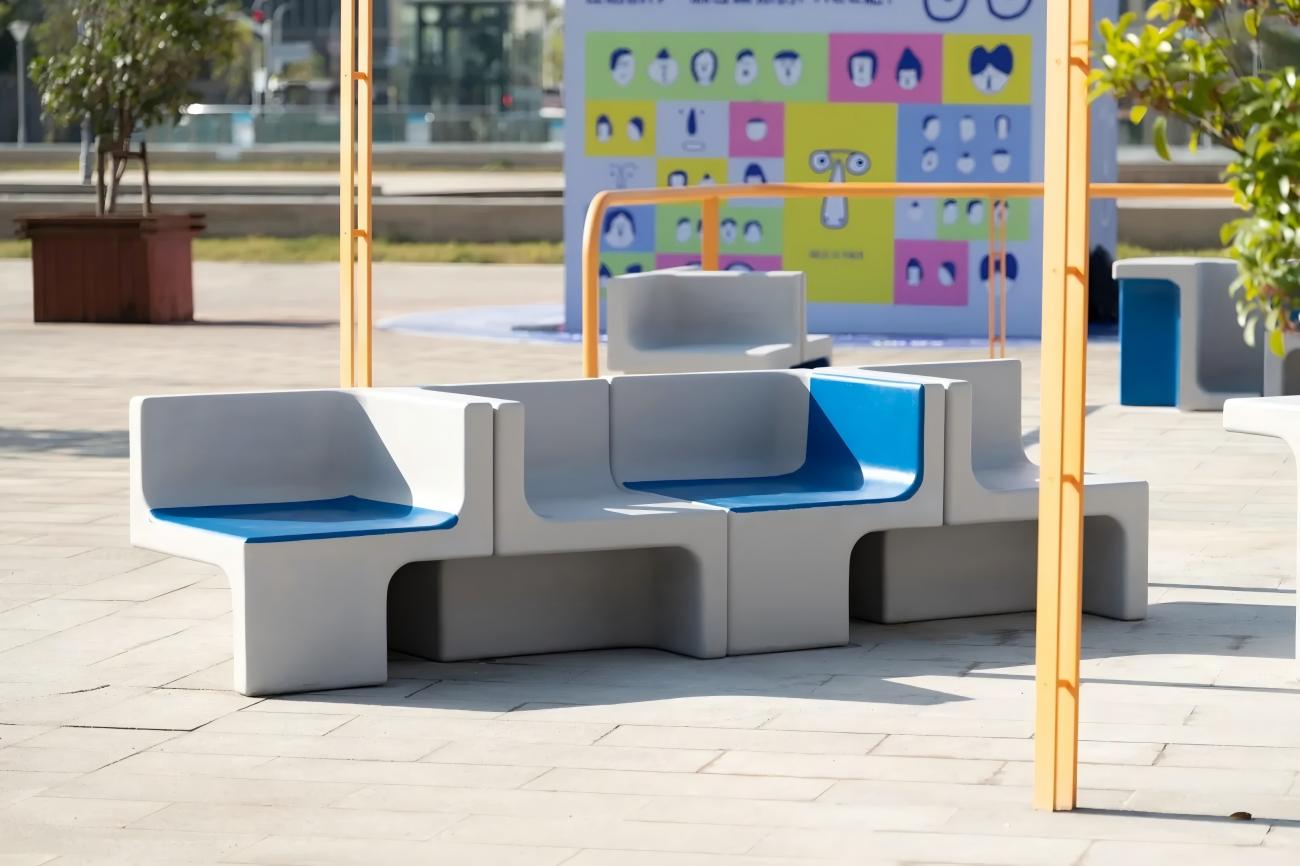
Prioritize the use of GRC (Glass Fiber Reinforced Concrete) in waterfront projects.
GRC contains no exposed metallic components and offers inherent corrosion resistance. It does not rust and does not require periodic repainting or intensive maintenance.
2. Structural Stability and Wind Resistance in Extreme Conditions
Waterfront areas are typically open and exposed, with significantly higher wind pressure than inland urban environments. Lightweight or poorly anchored seating can shift or become damaged during strong winds or typhoon seasons, potentially creating safety hazards.
Recommended Solutions:
-
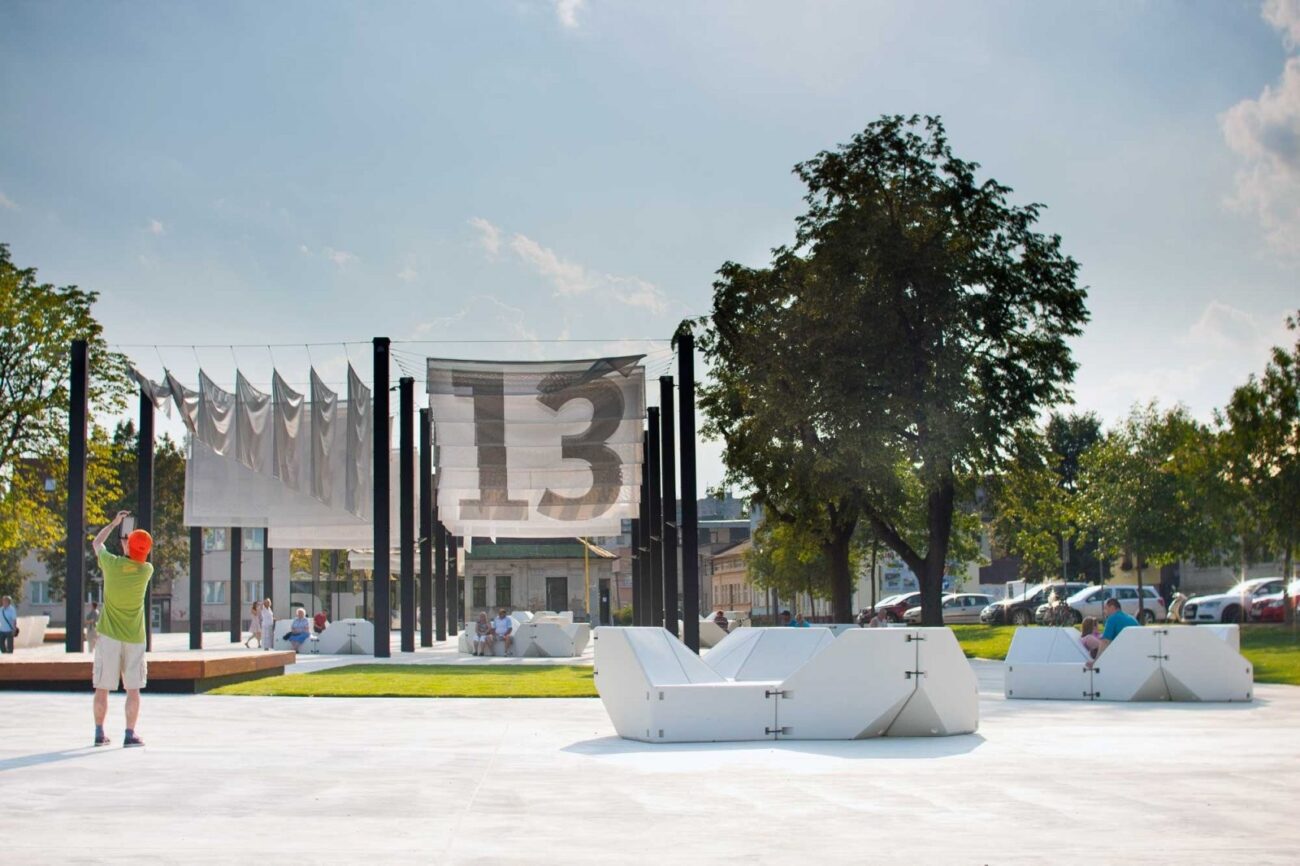
Self-weight Stability: High-quality waterfront furniture should possess sufficient mass for natural stability. The high-density properties of GRC provide inherent weight and structural steadiness without requiring overly complex reinforcement systems.
-
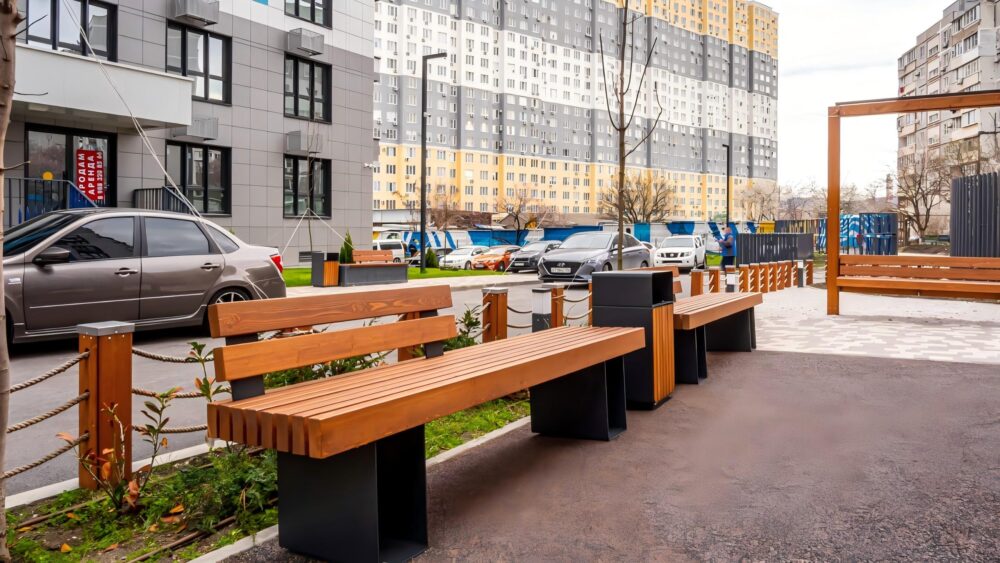
Concealed Anchoring Systems: All fixings should utilize 316-grade stainless steel and adopt concealed anchoring designs. This prevents physical wear from sea winds and eliminates exposed screws that could cause injury to visitors.

3. High-Temperature Resistance
Waterfront areas are often exposed to prolonged direct sunlight, with limited shading. During summer, dark stone or metal surfaces can reach temperatures exceeding 70°C (158°F), posing a risk of skin burns.
Recommended Solutions:
-
Low Thermal Conductivity: Compared to metal, high-performance concrete materials offer superior thermal regulation. They absorb heat slowly and dissipate it steadily, helping maintain surface temperatures within a more comfortable range—even under intense sun exposure.
-
Light Color Palettes: It is advisable to use lighter tones that harmonize with beaches and waterscapes, reducing heat absorption while enhancing visual integration with the environment.
4. Safety-Focused Detailing
Waterfront spaces attract users of all ages. Under strong winds or slippery conditions, the risk of accidental collisions increases—particularly for elderly individuals and children.
Detail Optimization:
-
Large Radius Corners: Eliminate sharp 90-degree edges. Generous curved profiles help disperse potential impact forces, significantly improving user safety.
-
Seamless Connections: Street furniture should avoid gaps that may pinch fingers or snag clothing, ensuring a safer and more user-friendly experience.
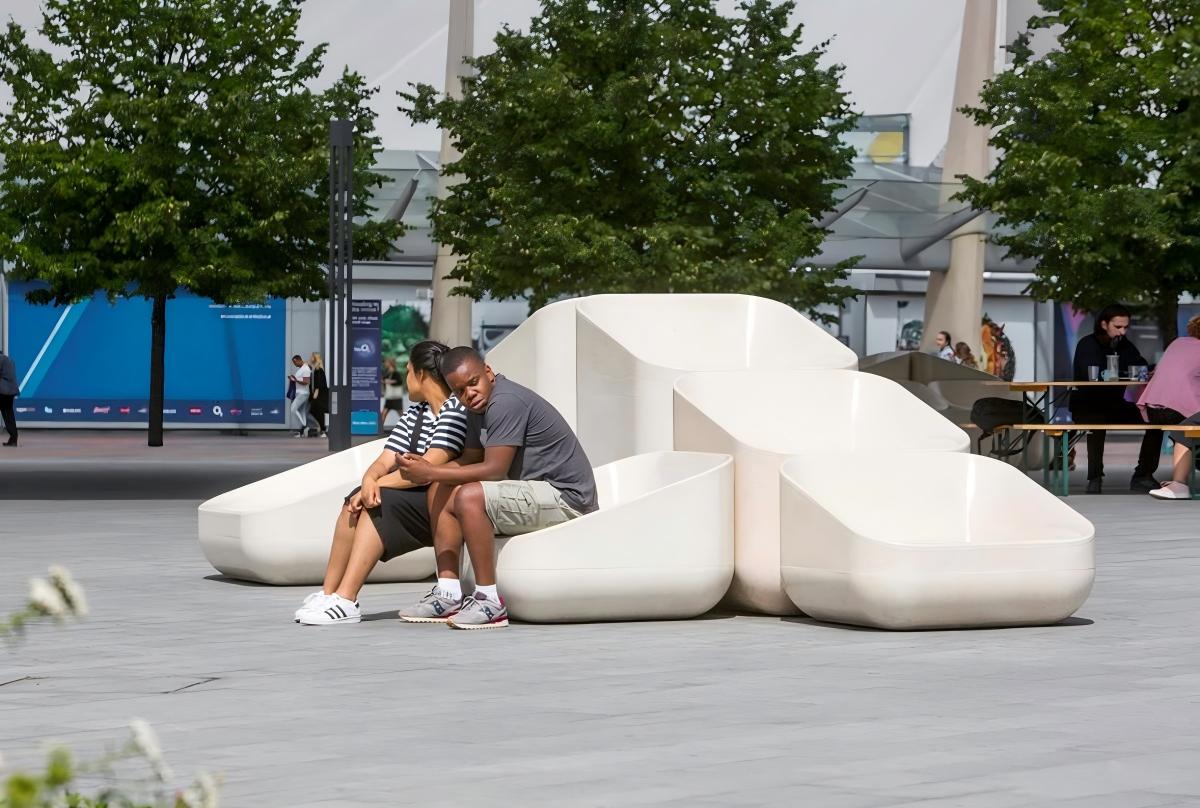
Selecting waterfront furniture with corrosion resistance, structural stability, and a warm tactile quality is essential for the long-term success of public spaces.
With extensive global experience delivering waterfront projects, Urban Furniture understands how to leverage high-performance materials such as GRC to create customized solutions that combine durability, safety, and refined aesthetics—even under extreme environmental conditions.