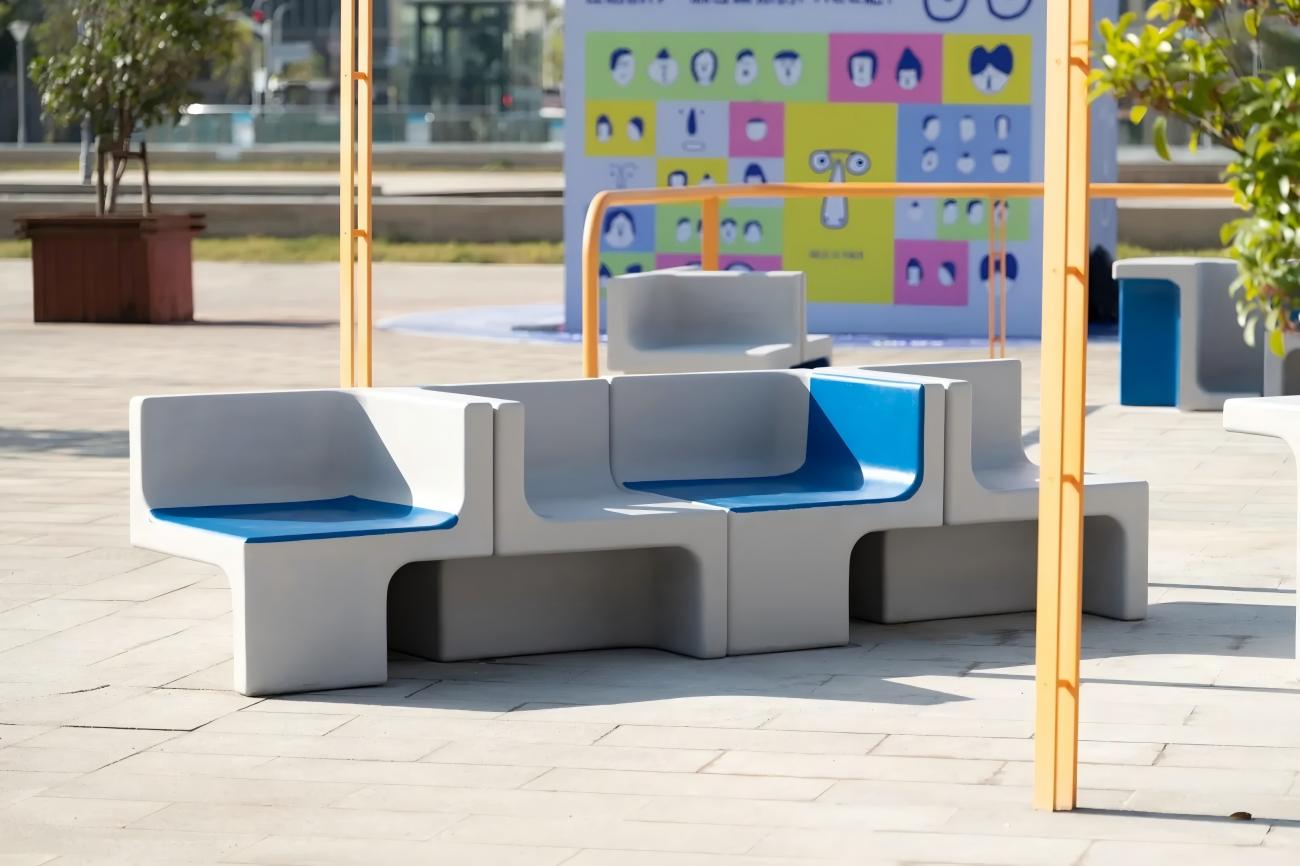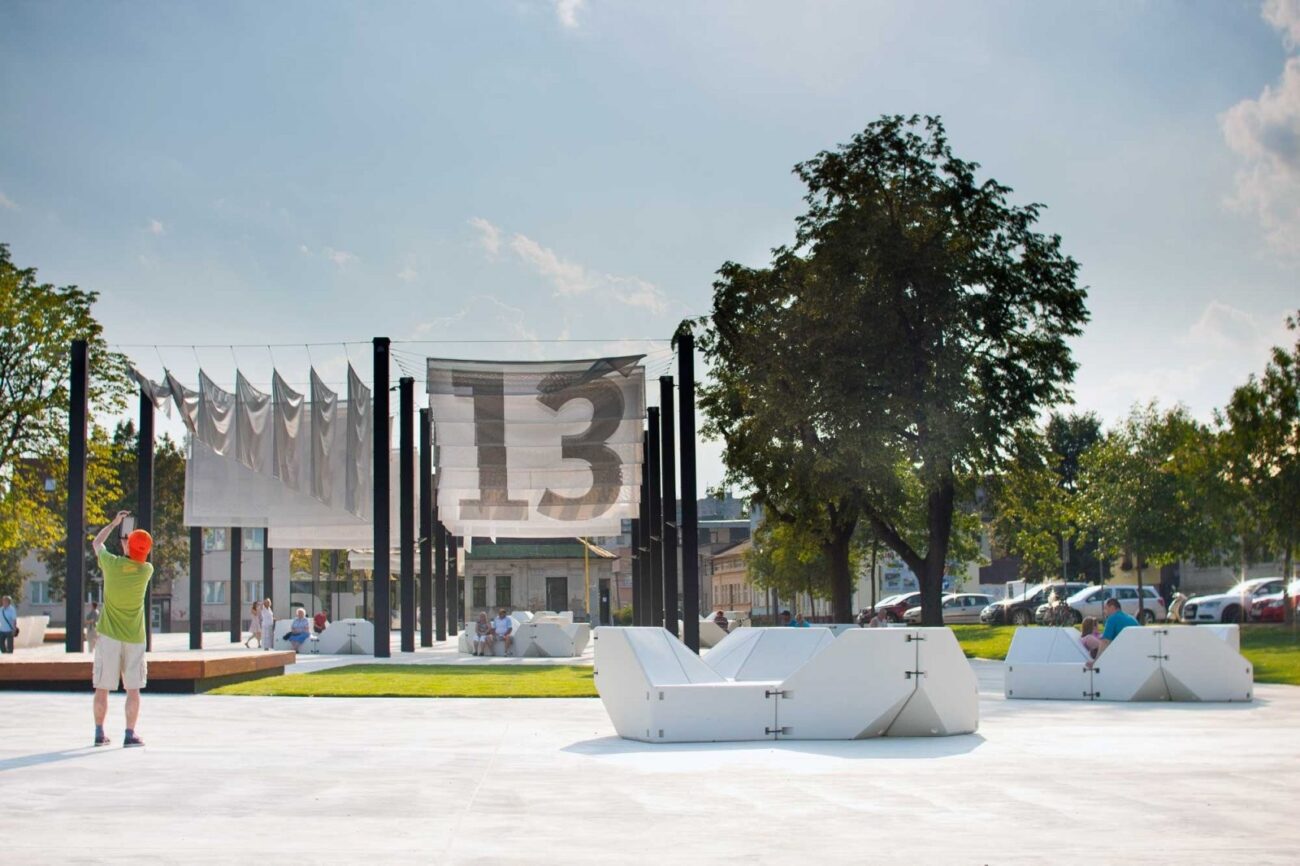
In Gulf Cooperation Council (GCC) countries, urban furniture faces extremely harsh environmental conditions. Daytime temperatures can exceed 45°C (113°F). Prolonged and intense UV radiation accelerates surface aging and fading, while frequent sandstorms gradually erode materials. In addition, heavy daily usage places continuous stress on street furniture. Therefore, selecting appropriate urban furniture materials is critically important.
1. Choosing the Right Materials
● Glass Fiber Reinforced Concrete (GRC)
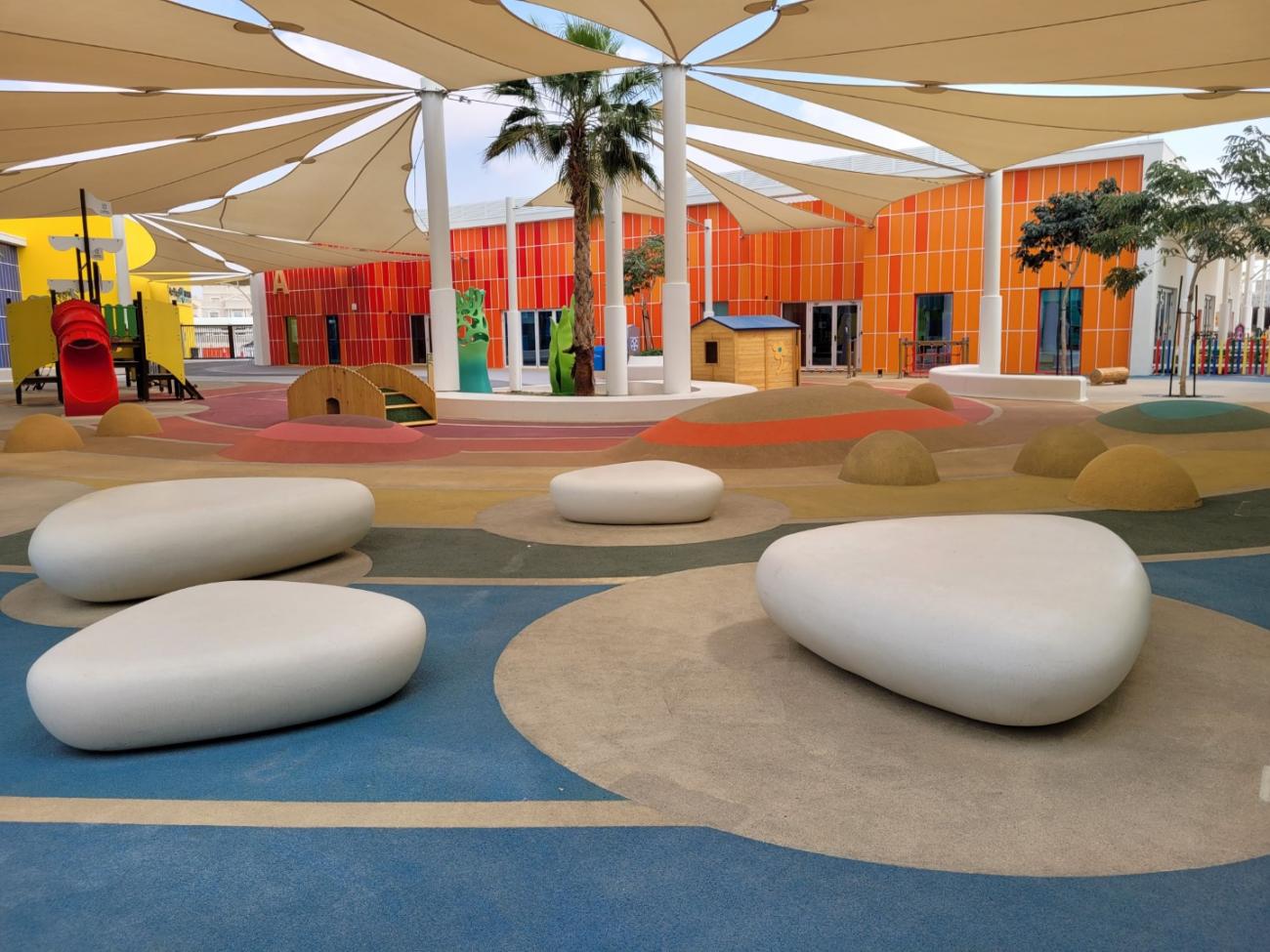
GRC is highly suitable for the climate conditions of GCC countries. It is resistant to high temperatures, UV radiation, and sand abrasion. Its flexible molding properties allow for customized shapes and finishes. At the same time, its durability and low maintenance cost make it an economical choice for public spaces such as parks, plazas, and streetscapes.
● Steel
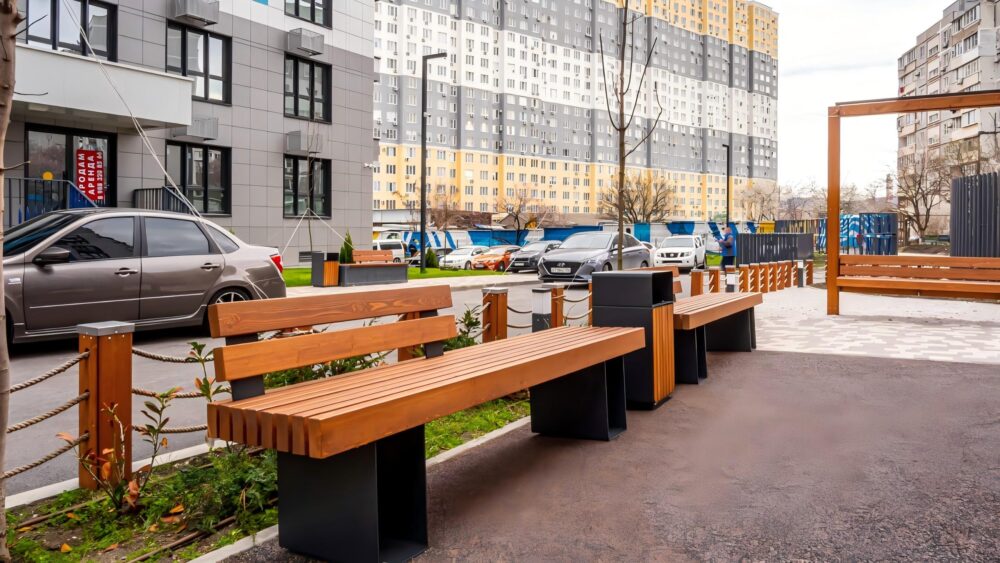
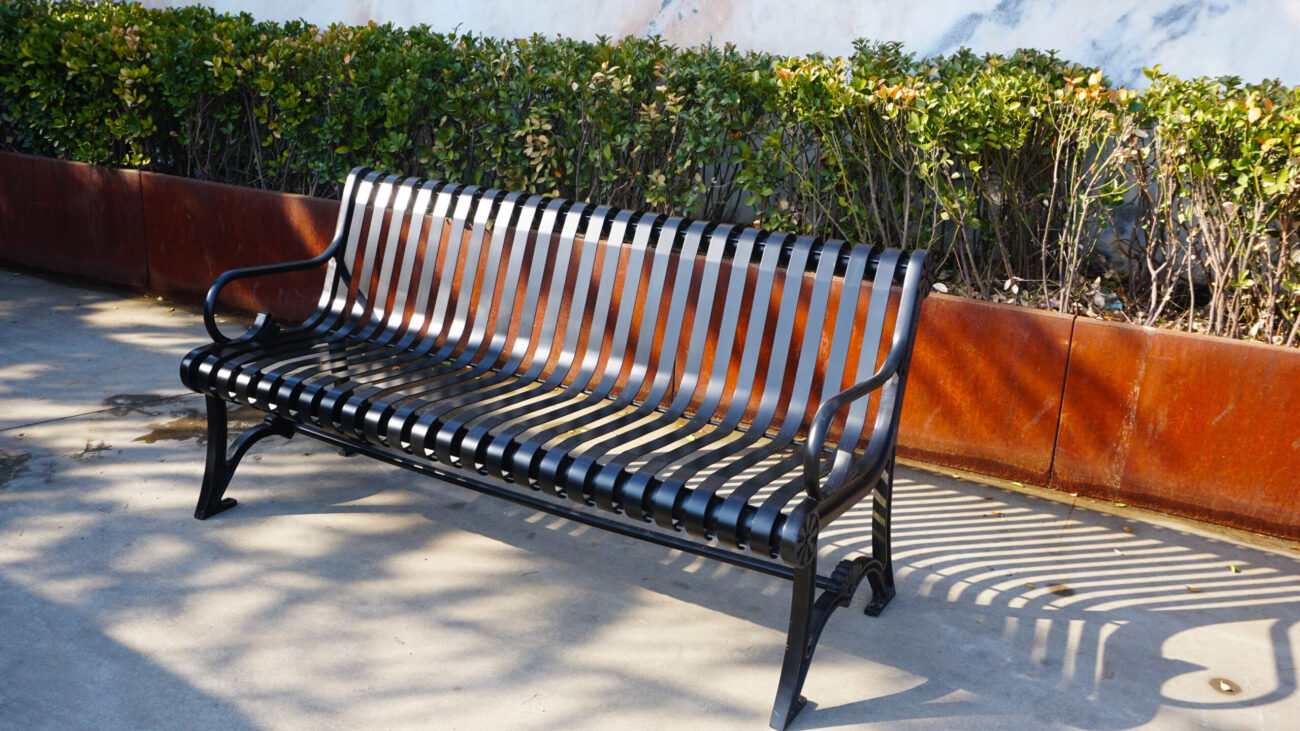
Steel offers excellent strength and impact resistance, making it ideal for high-traffic areas. In coastal or humid regions, proper anti-corrosion coatings are essential. Heat-resistant or light-colored surface finishes help reduce surface temperature. Although routine maintenance costs are relatively low, periodic inspection and repainting are still recommended.
● Aluminum
Aluminum is lightweight and naturally corrosion-resistant, making it highly suitable for outdoor environments. It does not rust, making it an ideal option for coastal and desert cities. With proper powder coating or anodizing treatment, aluminum provides excellent durability, color stability, and a modern aesthetic.
Aluminum is commonly used for long-span frames, seating structures, and modular urban furniture systems.
● Wood (Hardwood or Treated Softwood)
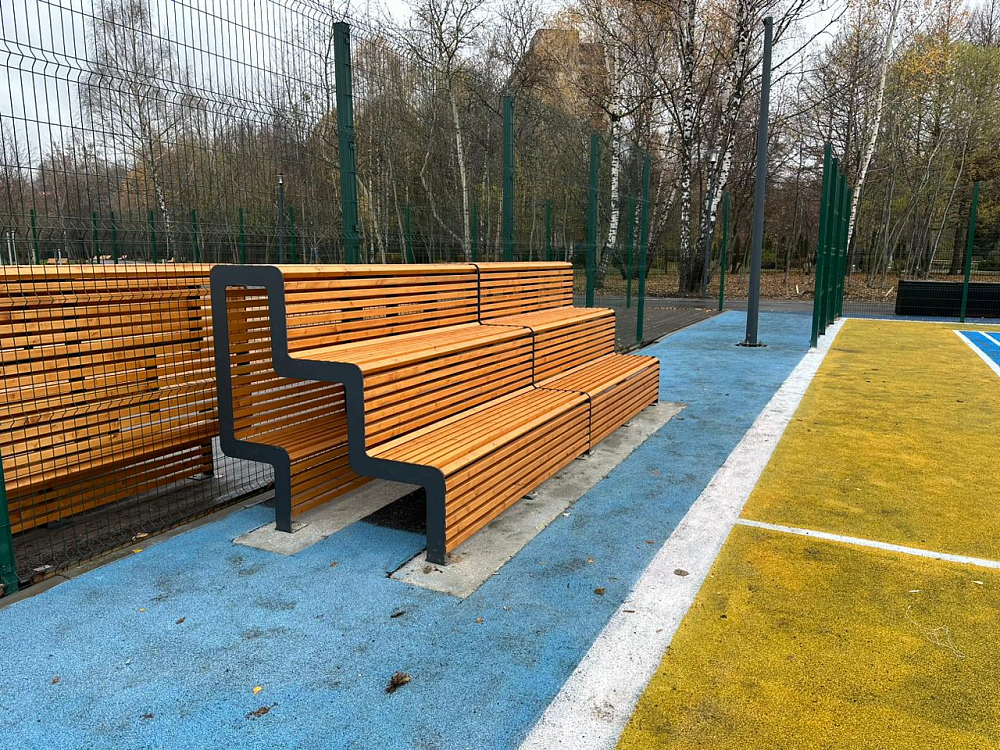
Wood offers a natural appearance and comfortable seating experience. However, in harsh desert environments, untreated wood can easily deform, fade, or crack. Combining wood with GRC or steel frames ensures comfort while maintaining long-term durability.
2. Key Factors in Material Selection
When selecting urban furniture materials, the following factors should be considered:
-
Climate resistance: Ability to withstand high temperatures, UV radiation, and sand
-
Maintenance requirements: Frequency of cleaning and repairs
-
Structural strength: Capability to endure heavy and frequent use
-
Environmental adaptability: Compatibility with different urban design styles
3. Selecting Materials from an Urban Identity Perspective
In GCC countries, urban development emphasizes not only functionality but also city image and public space quality. Whether along coastal promenades, in commercial districts, urban plazas, or smart city developments, high-quality urban furniture enhances the overall spatial experience and creates comfortable, attractive environments for residents and visitors.
Therefore, when choosing urban furniture materials in GCC countries, in addition to durability and cost-efficiency, attention should also be paid to:
-
Appearance stability: Ability to maintain color and texture under long-term intense sunlight
-
Design expression: Support for diverse forms and customized designs to match different city styles
-
Spatial integration: Ability to integrate naturally with modern architecture, landscape design, and commercial spaces
In GCC countries, extreme heat, intense UV radiation, sandstorms, and heavy pedestrian traffic make durability and low maintenance cost critical factors for urban furniture. By understanding the performance of various materials, GRC stands out as the optimal balance between durability, maintenance efficiency, aesthetics, and cost.
Urban Furniture provides one-stop design-to-delivery services, helping create long-lasting, easy-to-maintain, and visually appealing urban furniture solutions.