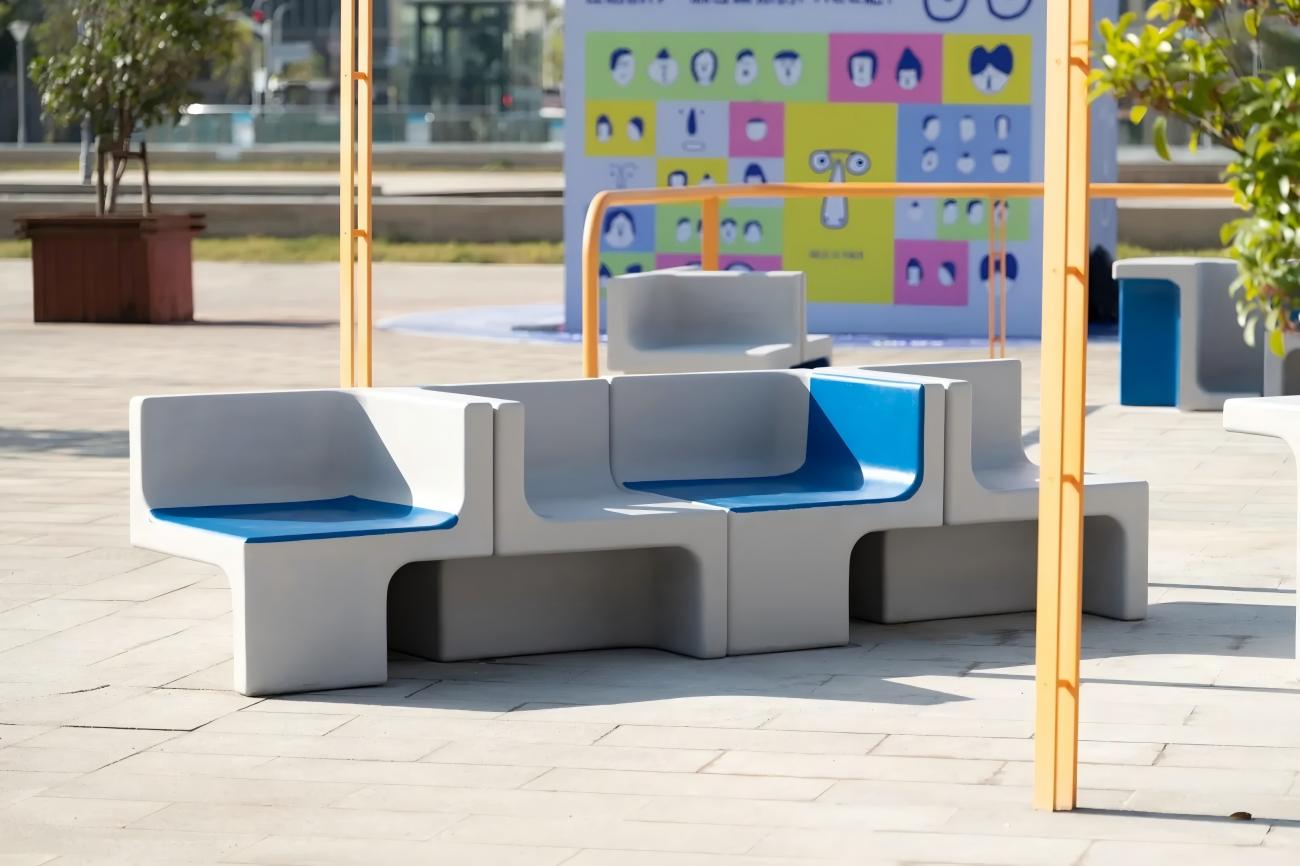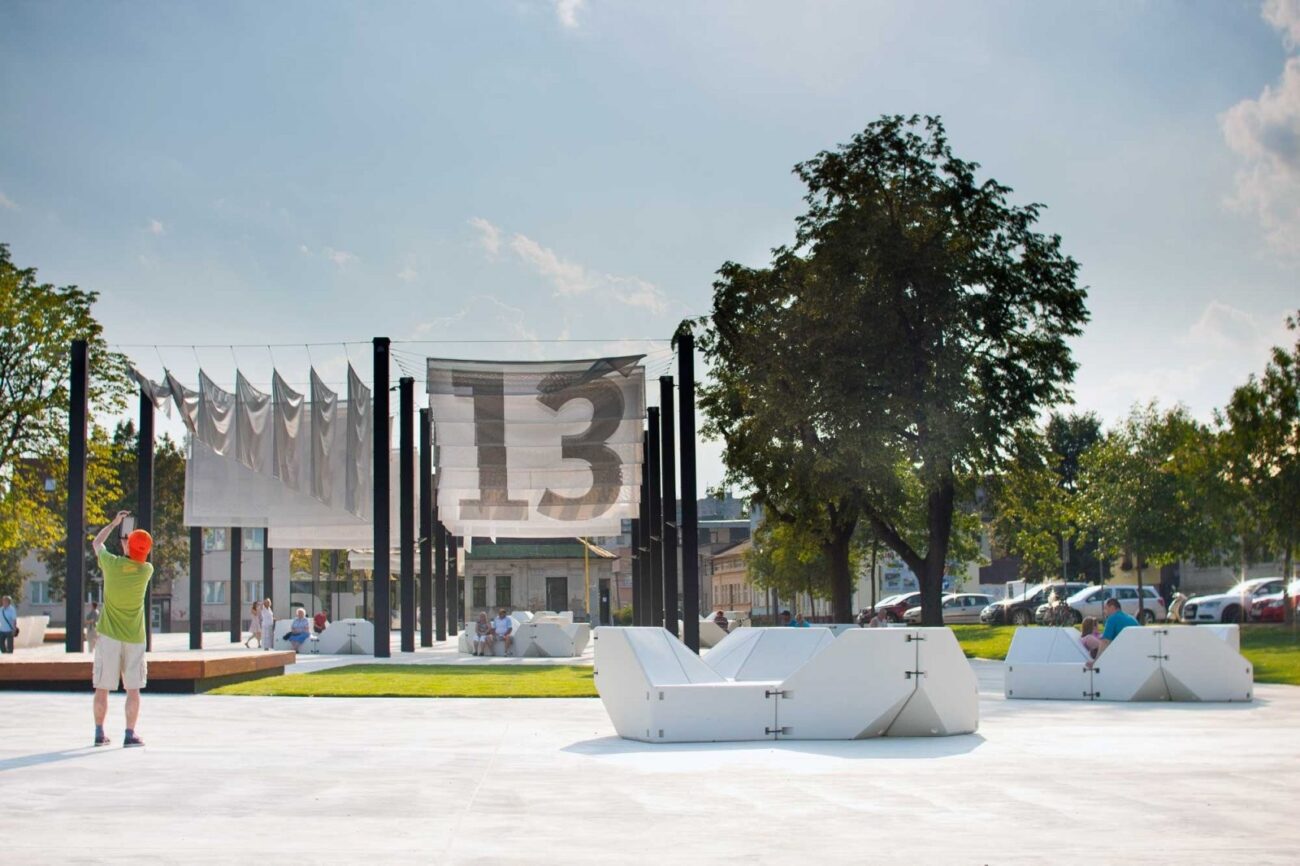
In public spaces such as parks, streets, plazas, and commercial districts, street furniture is exposed to extreme weather conditions, frequent use, and regular cleaning. To extend service life, it is important to take preventive measures during the manufacturing and design stages to reduce maintenance frequency and cost.
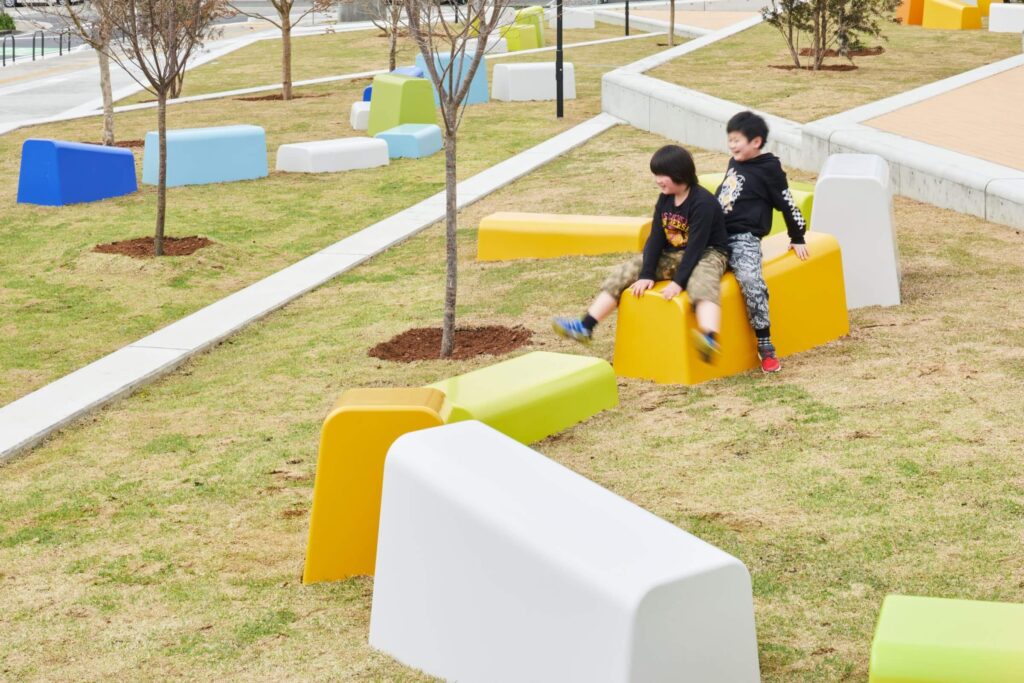
1. Choose Durable Materials Suitable for Harsh Outdoor Environments
The foundation of low-maintenance street furniture lies in proper material selection.
-
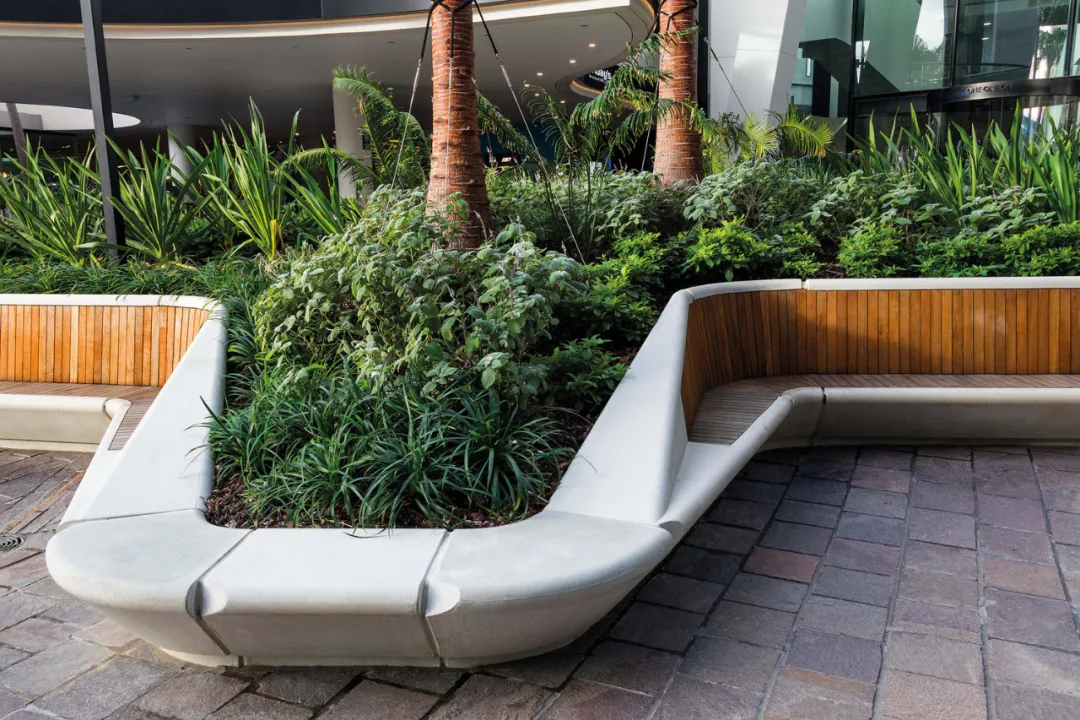
Glass Fiber Reinforced Concrete (GRC) is one of the most effective materials for minimizing maintenance costs. It does not rust, rot, or deform. Its dense surface structure prevents water absorption and staining, making daily cleaning simple and efficient.
-
Steel, when treated with high-quality powder coating and anti-corrosion processes, requires only basic surface cleaning. However, in coastal or humid environments, untreated steel is prone to corrosion and surface damage, requiring repainting. To reduce maintenance needs, high-grade coatings and standardized application processes are essential.
-
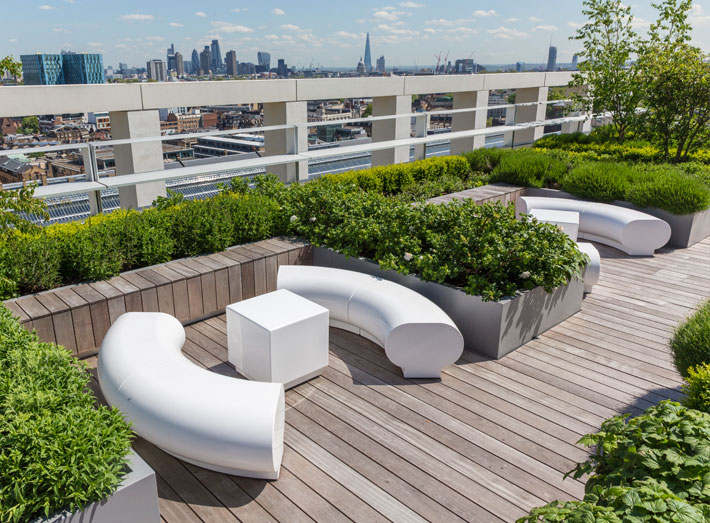
Aluminum is naturally corrosion-resistant and lightweight, making it especially suitable for coastal and humid regions. With proper powder coating or anodizing treatment, aluminum maintains color stability and requires minimal maintenance.
2. Choose Easy-to-Clean Surface Finishes
Surface treatment plays a crucial role in determining maintenance frequency.
-
Smooth, seamless surfaces prevent dust and dirt accumulation
-
UV-resistant coatings reduce fading and surface degradation
-
Anti-graffiti coatings speed up cleaning and reduce long-term damage
Well-finished street furniture can be cleaned with water or basic cleaning tools, significantly reducing labor time and maintenance costs.
3. Reduce Maintenance Costs Through Design
Smart design choices can further minimize long-term maintenance:
-
Light-colored surfaces help reduce heat absorption
-
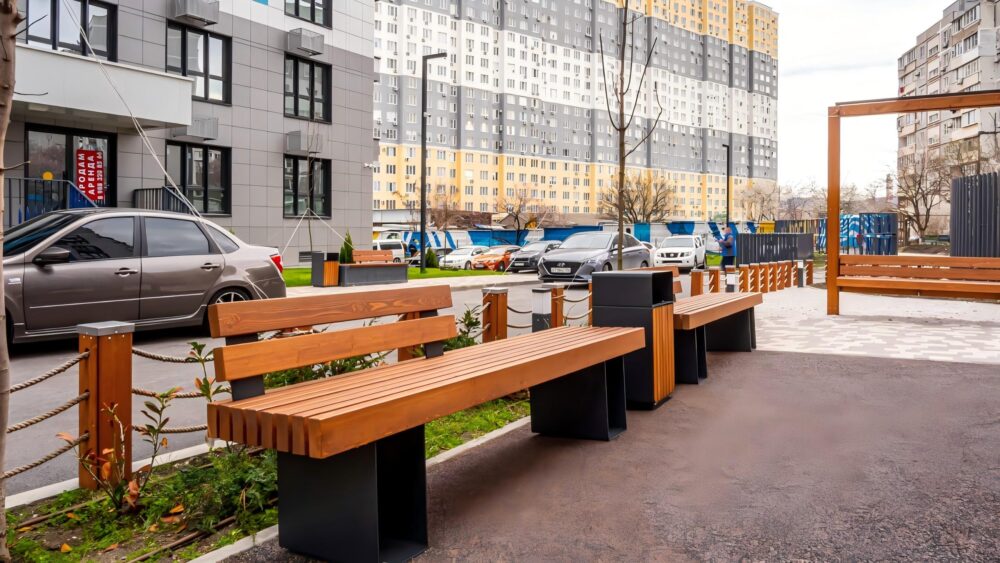
Combining materials (such as GRC + wood, or wood + metal) improves durability, comfort, and visual appeal
To reduce maintenance costs for street furniture, Urban Furniture focuses on selecting durable materials such as GRC (Glass Fiber Reinforced Concrete), properly treated metals, and suitable surface finishes, combined with intelligent design strategies. These measures help minimize maintenance frequency while ensuring safety, durability, and aesthetic quality.
Through thoughtful material selection and professional manufacturing processes, street furniture can achieve long-term performance with significantly reduced upkeep requirements.