
Applicable Scenarios: Primary schools, universities, international schools, campus courtyards, dormitory areas, teaching building surroundings and sports field edges
Product Types: Seating, tree tables, planters, bicycle racks, trash bins, wayfinding installations, signage, landscape lighting, pergolas and outdoor classroom facilities
Common Materials: Wood, metal, stainless steel, aluminum alloy and GRC
1. Seating
Campus seating is not only for resting. It can also support communication, waiting, reading and outdoor learning.
Common types include:
- Wooden benches
- Curved seating
- Circular tree-pit seating
- Lawn seats
- Step seating
- Colorful artistic seating
- Tree-table seating
- Combined seating under pergolas
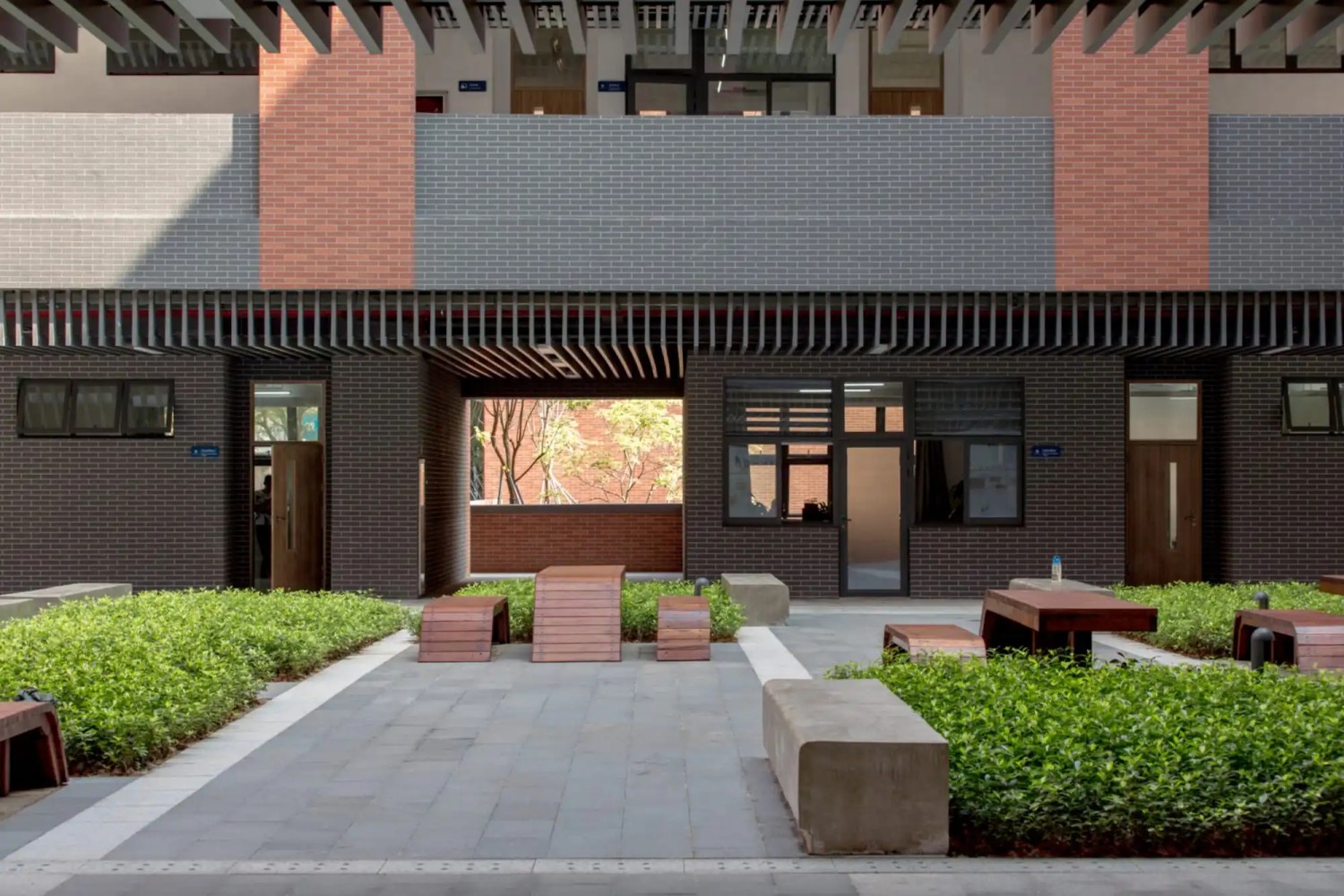
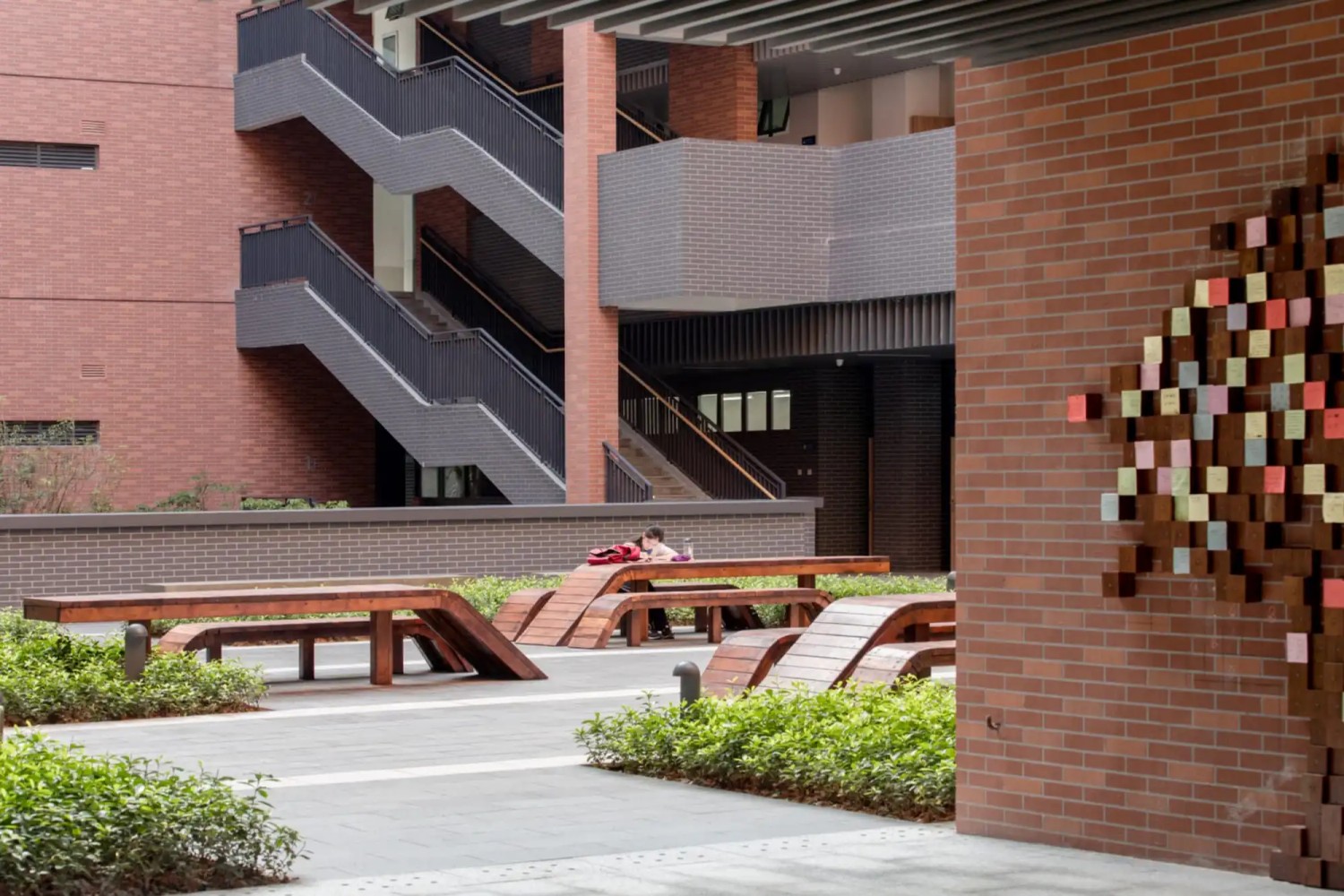
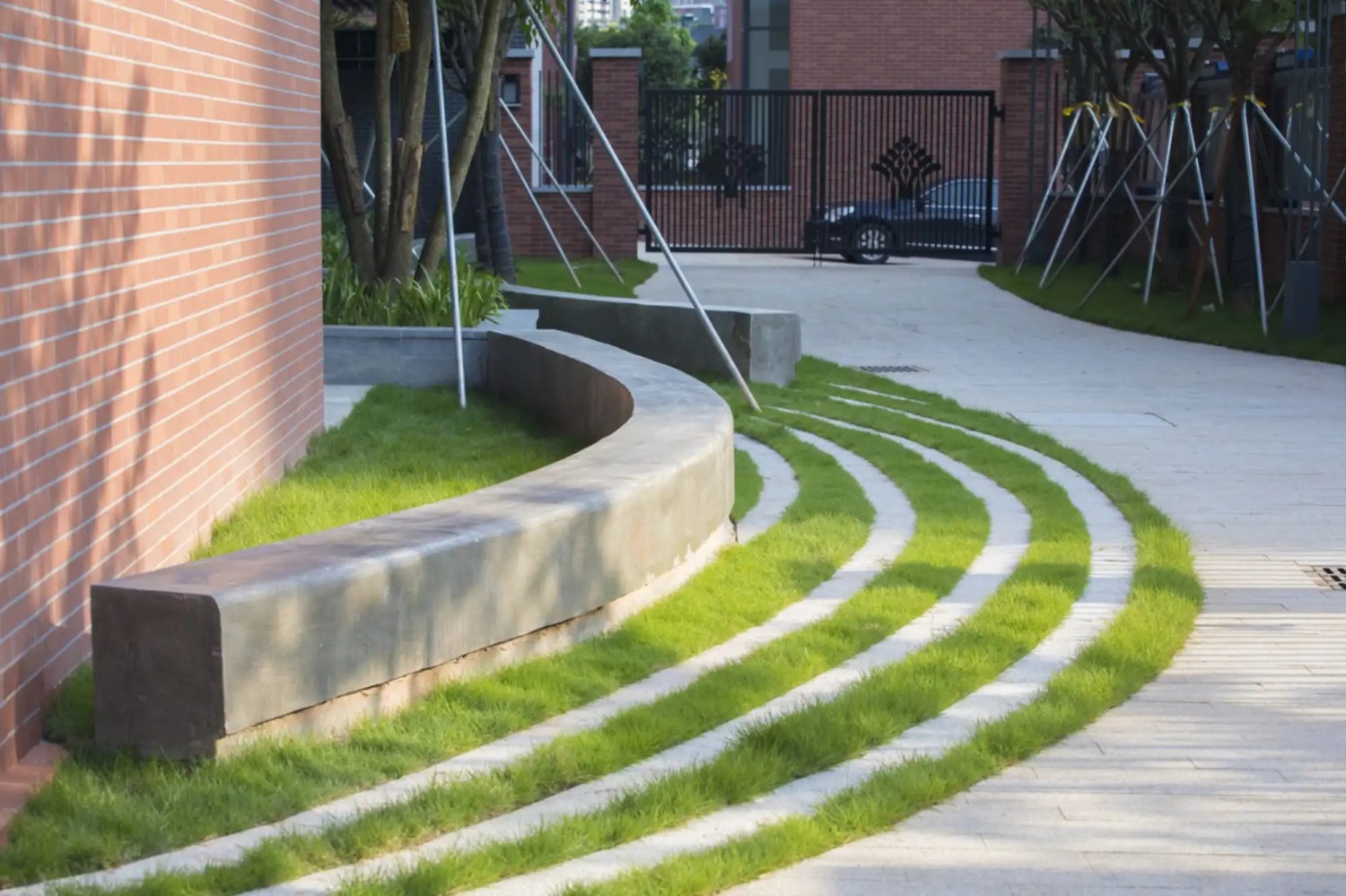
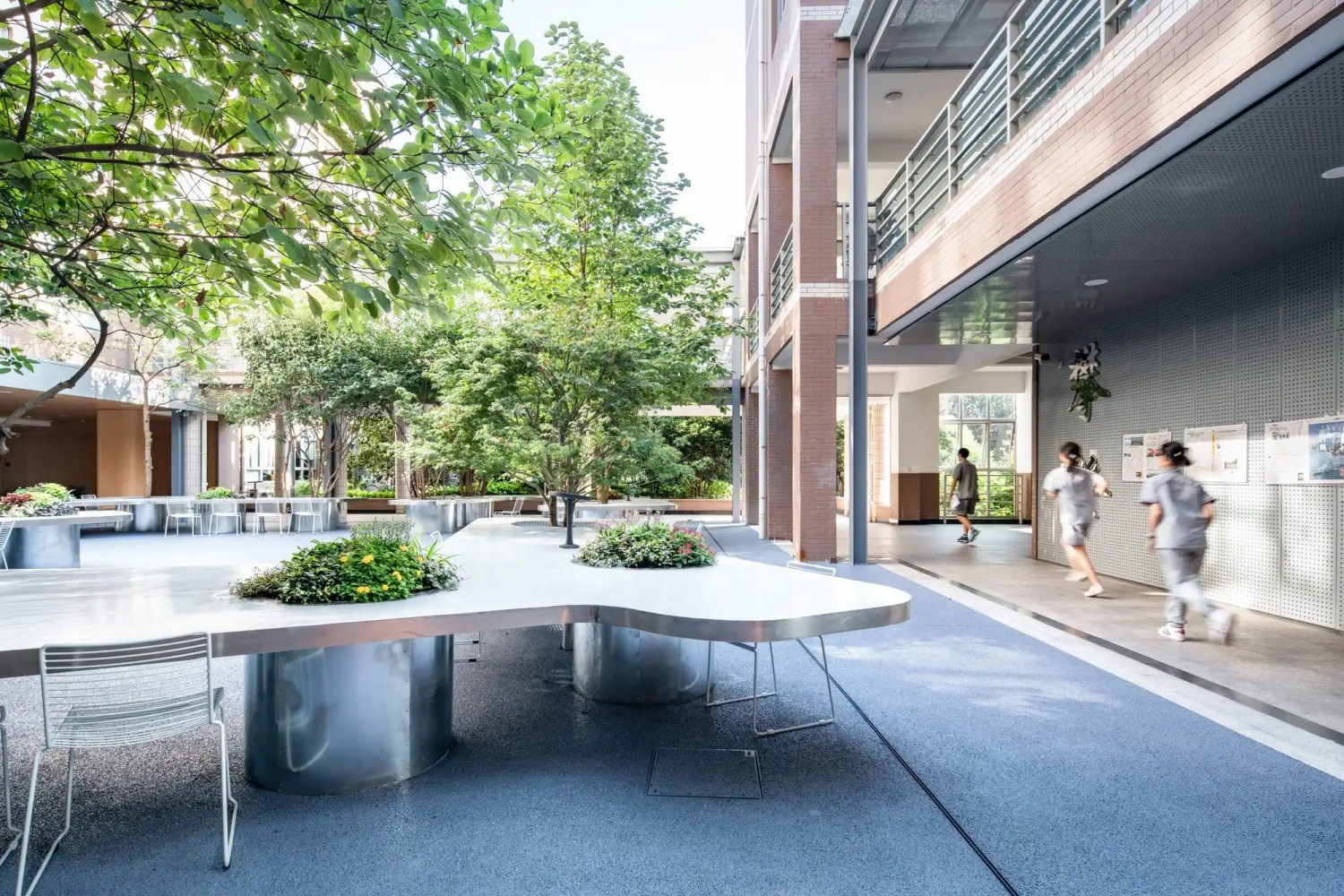
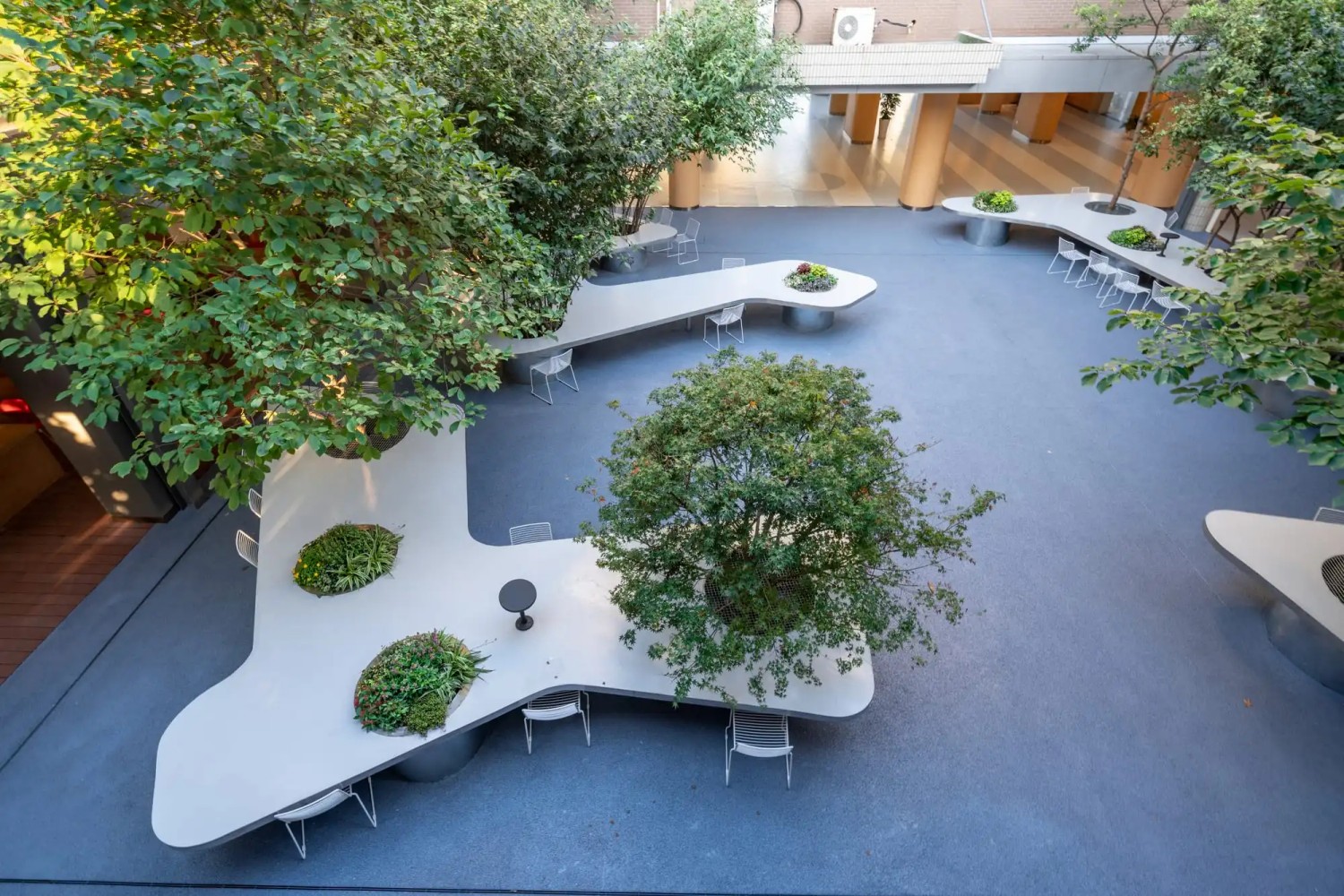
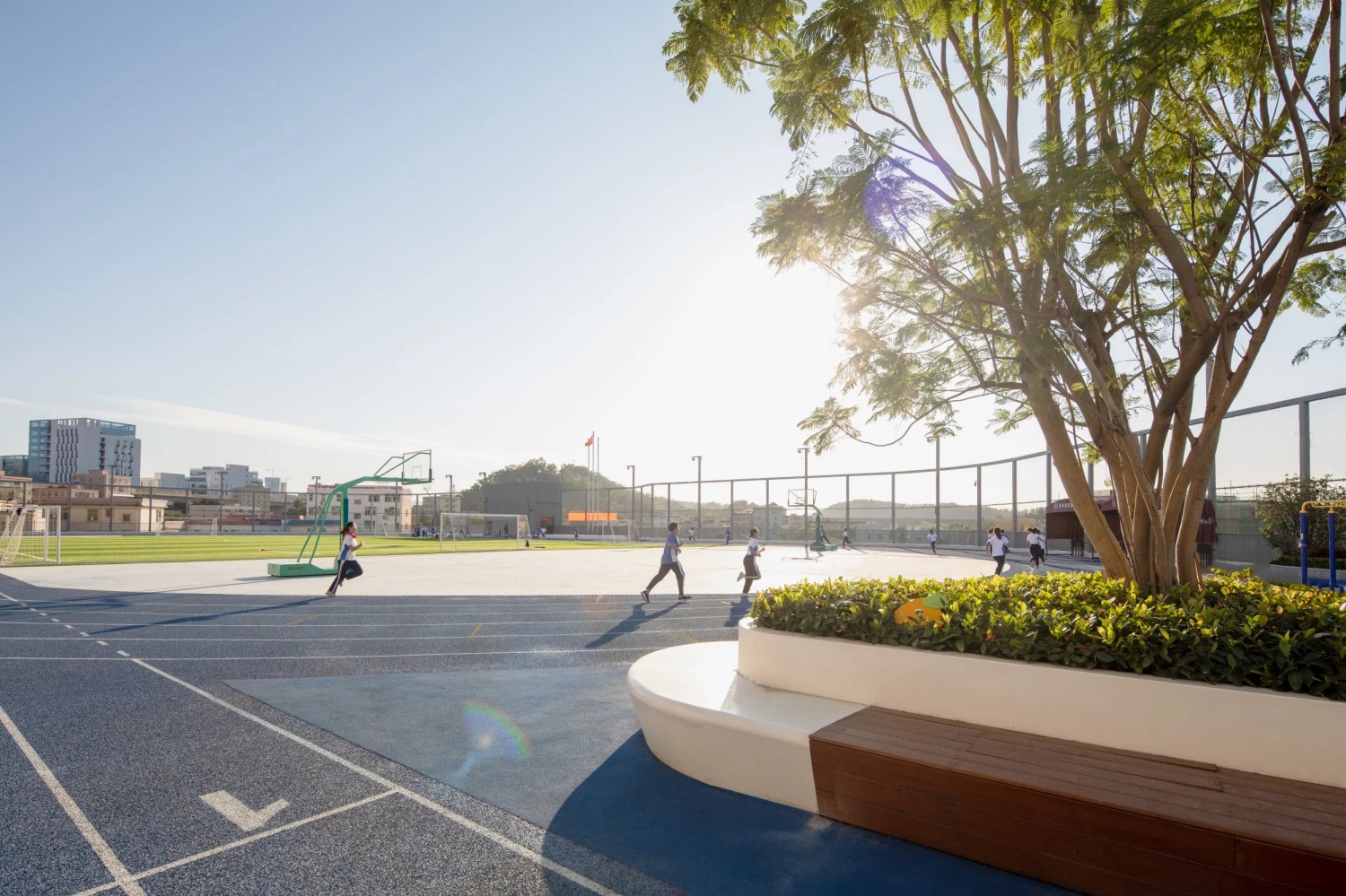
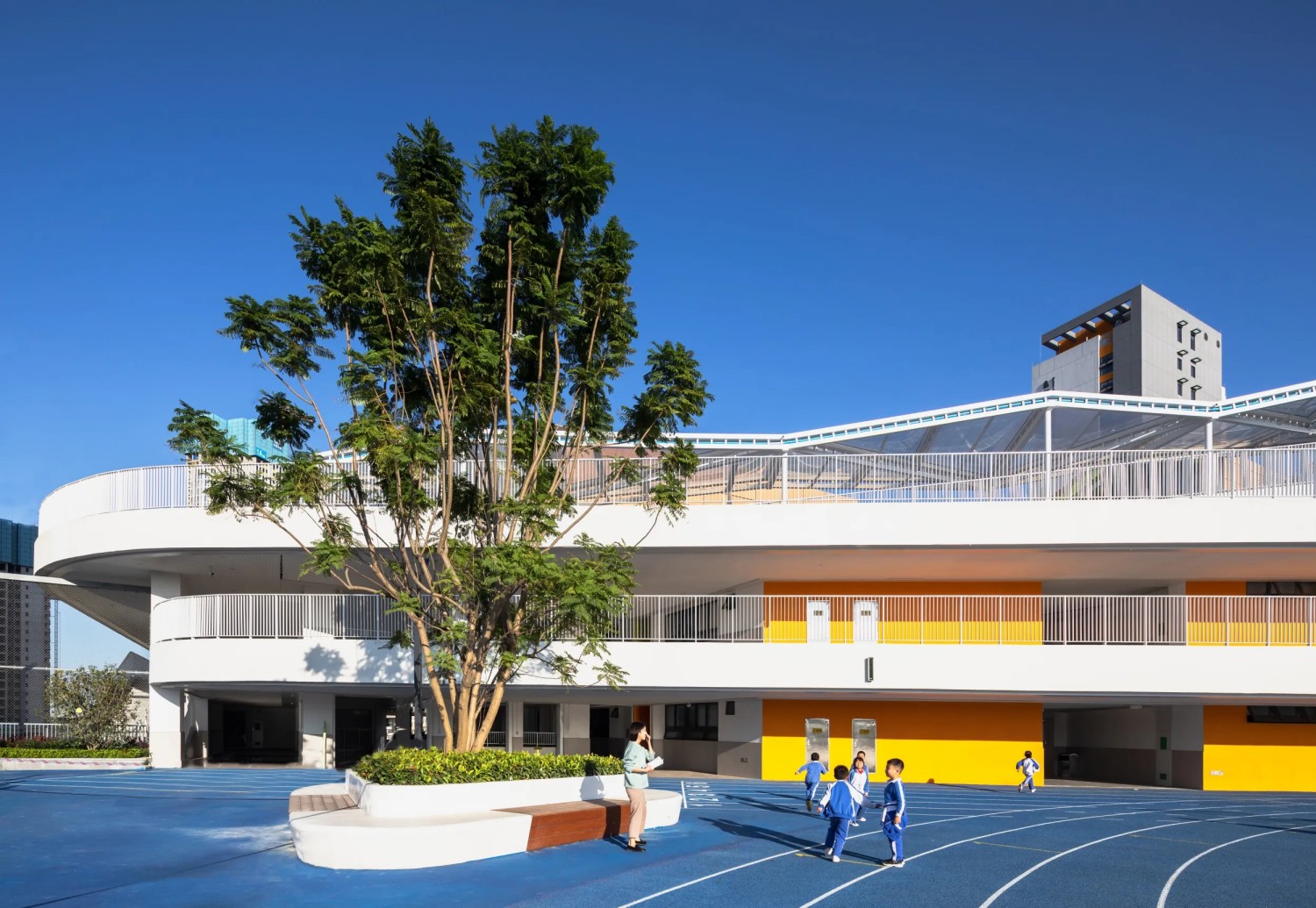
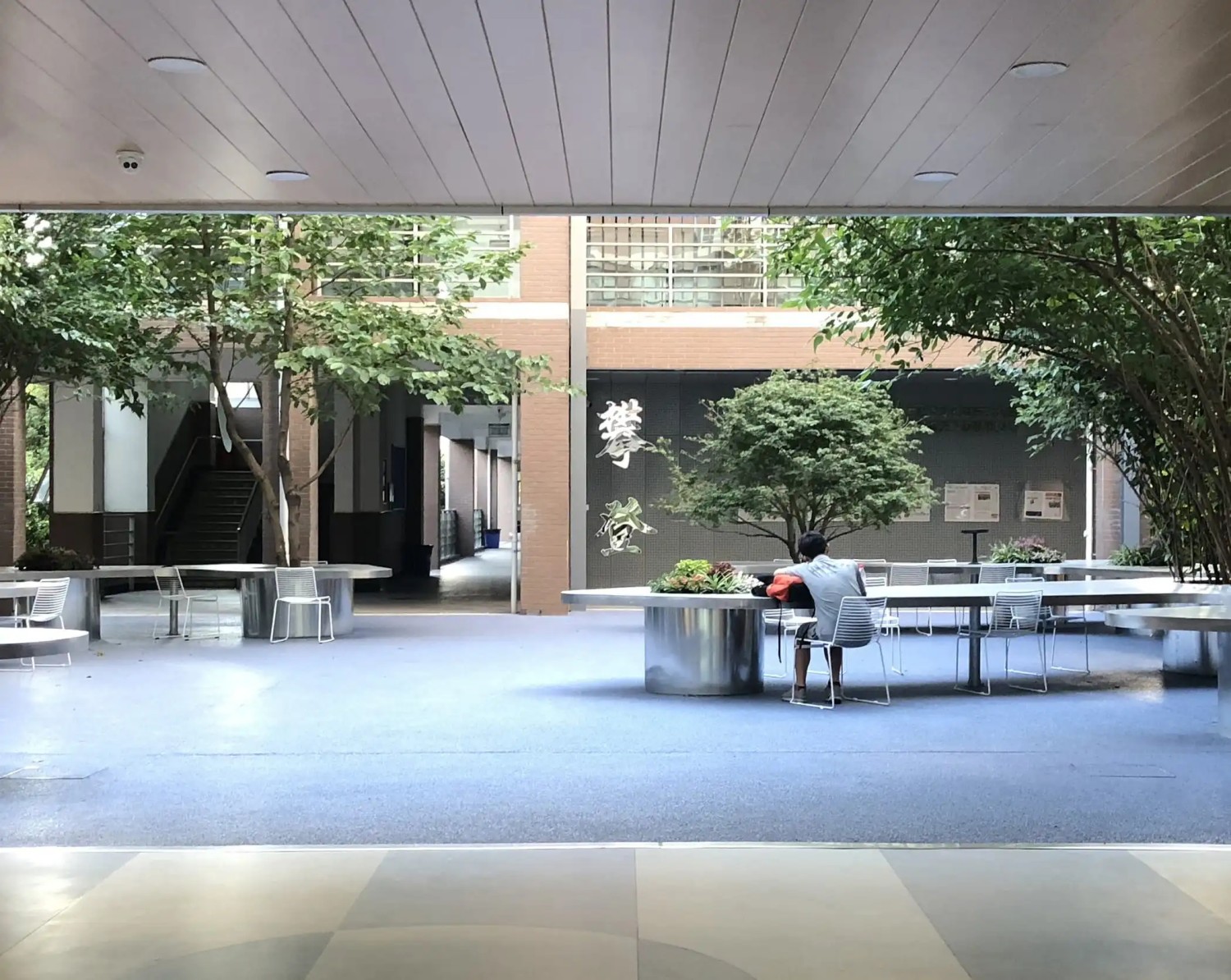
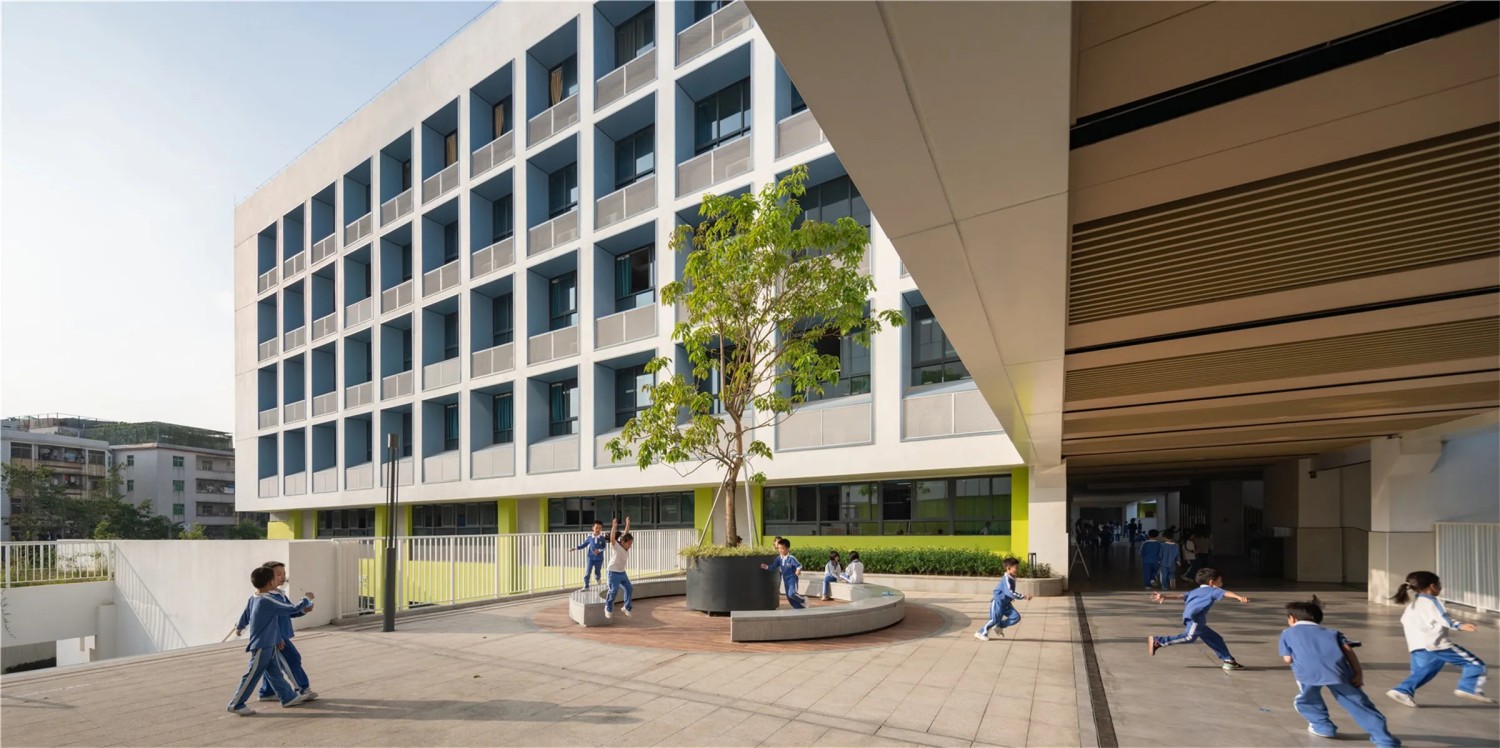
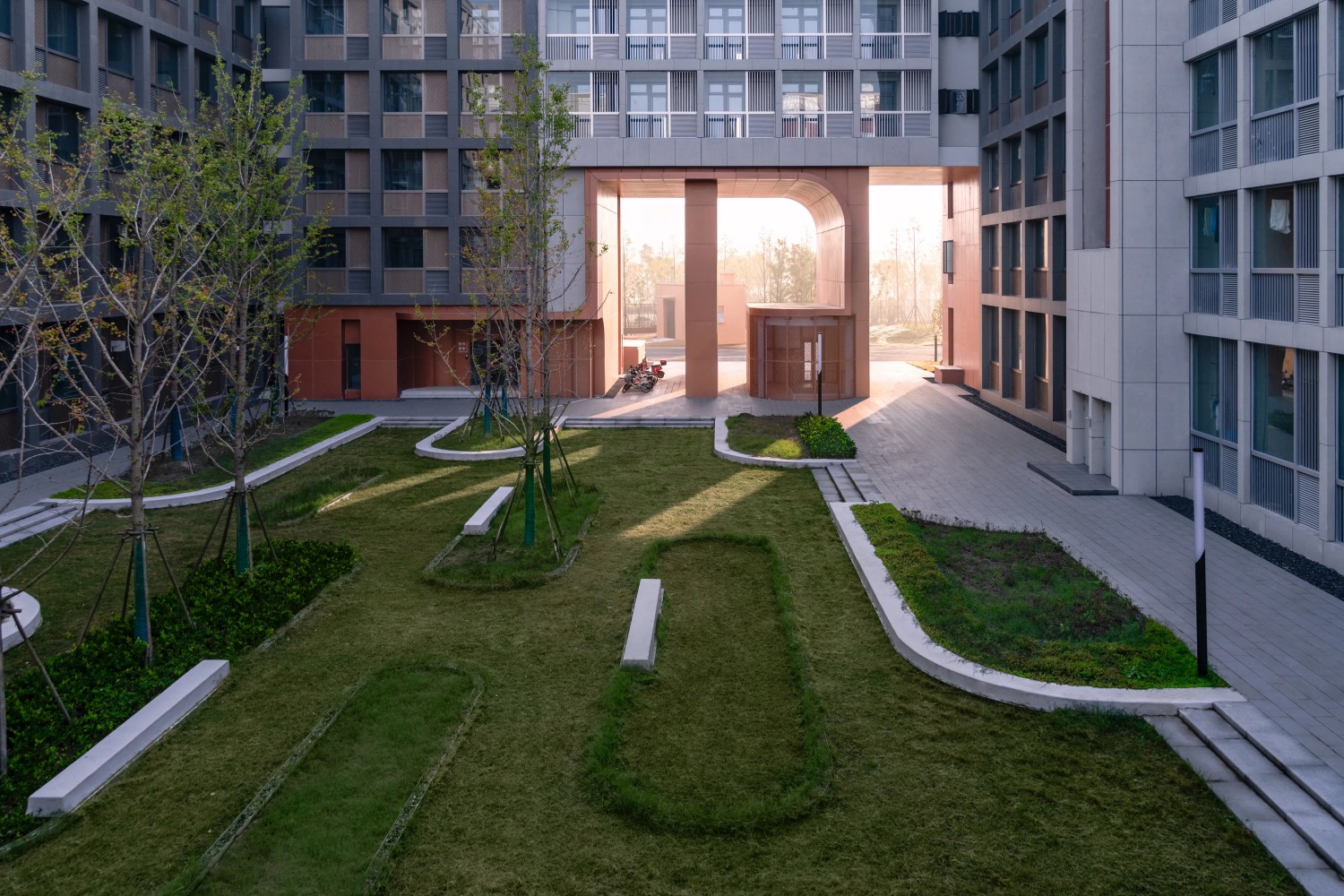
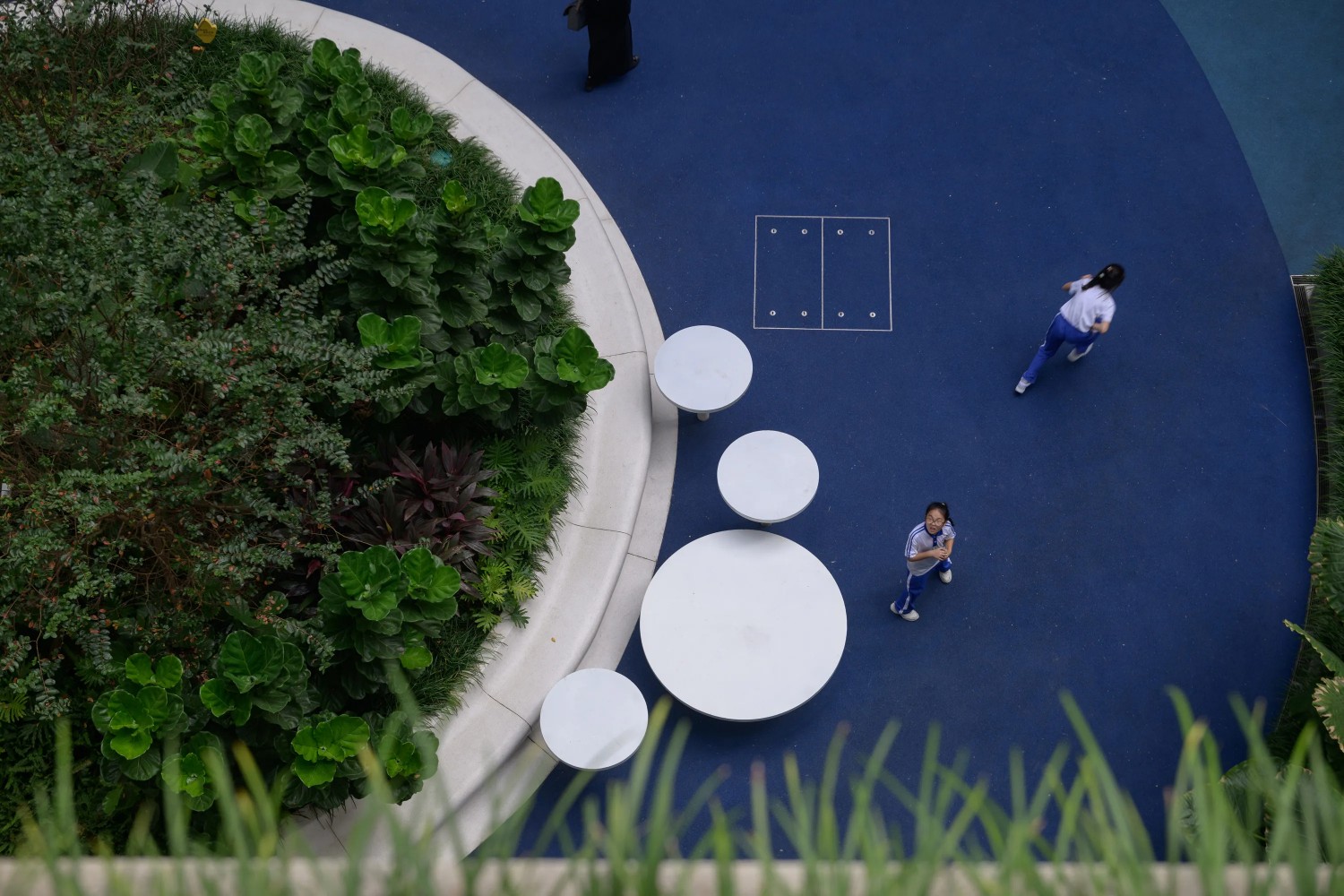
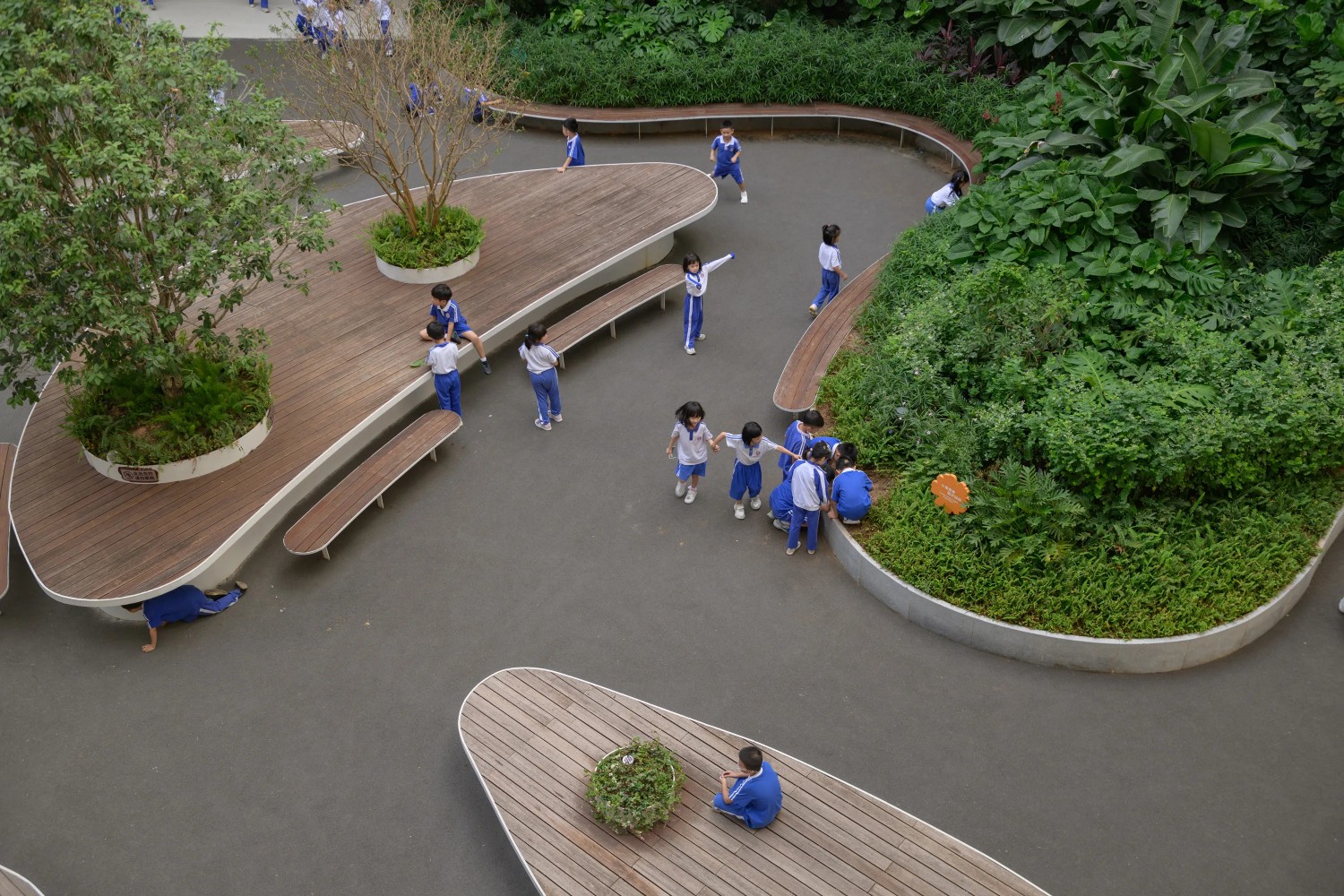
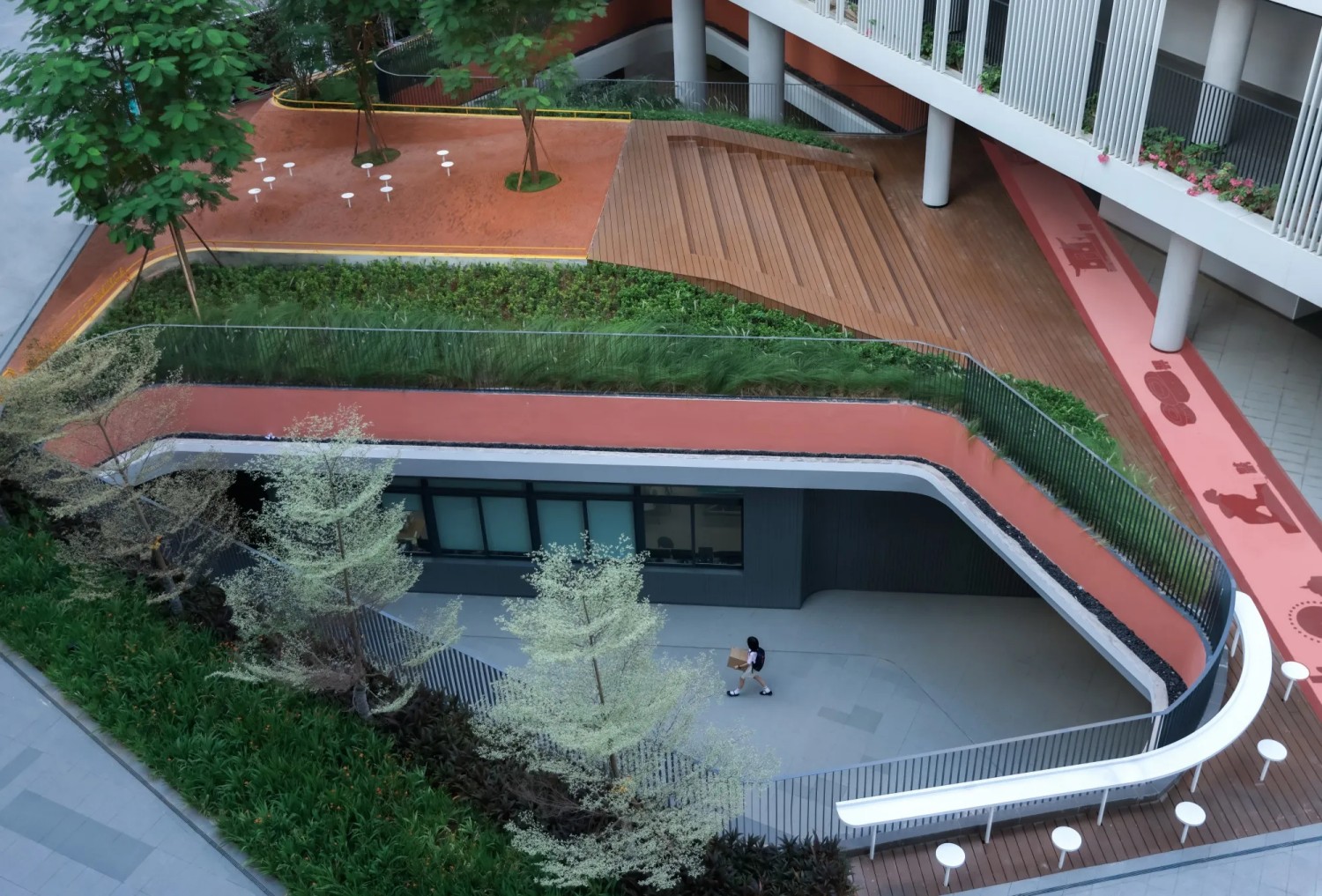
Materials are often wood, metal frames, stainless steel, GRC or outdoor weather-resistant materials. The design should consider safety and durability, while avoiding overly cold, sharp or aggressive forms.
2. Planters and Green Facilities
Campus planters are usually used along road edges, entrance nodes, plazas in front of teaching buildings and leisure courtyards. They provide greenery while also helping define space and guide circulation.
Common types include:
- GRC planters
- Metal planters
- Combined planter seating
- Tree-pit flower beds
- Rain garden facilities
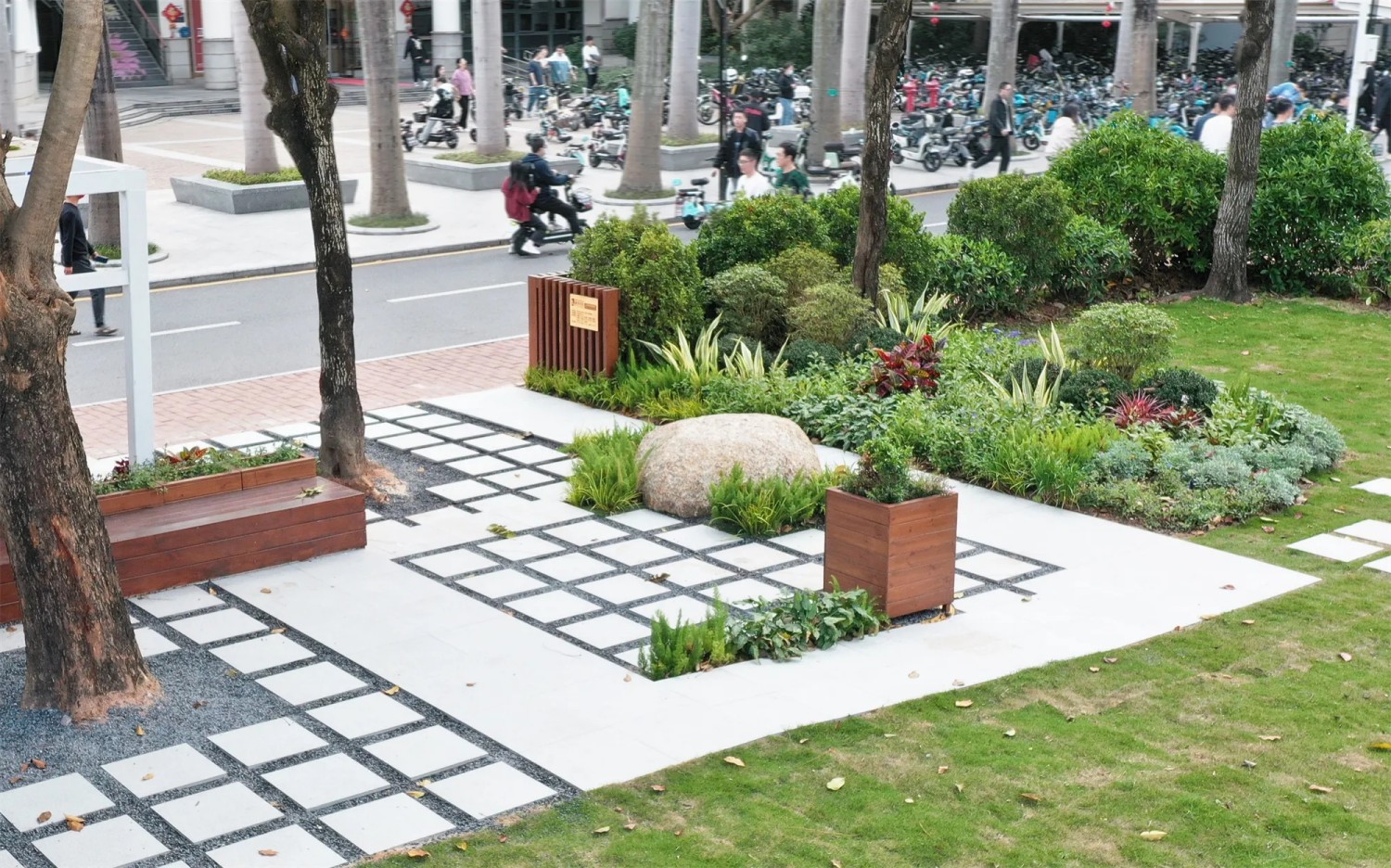
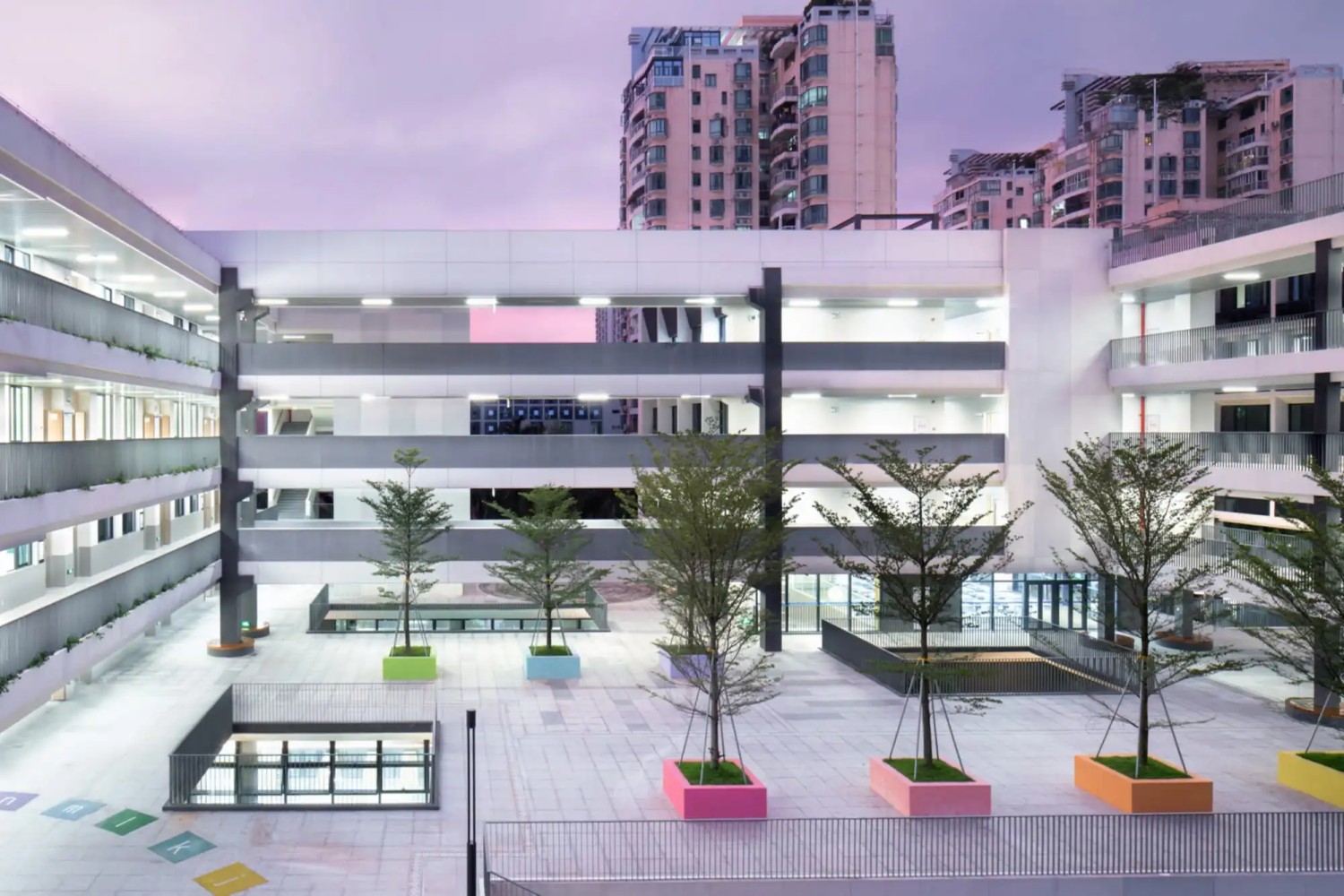
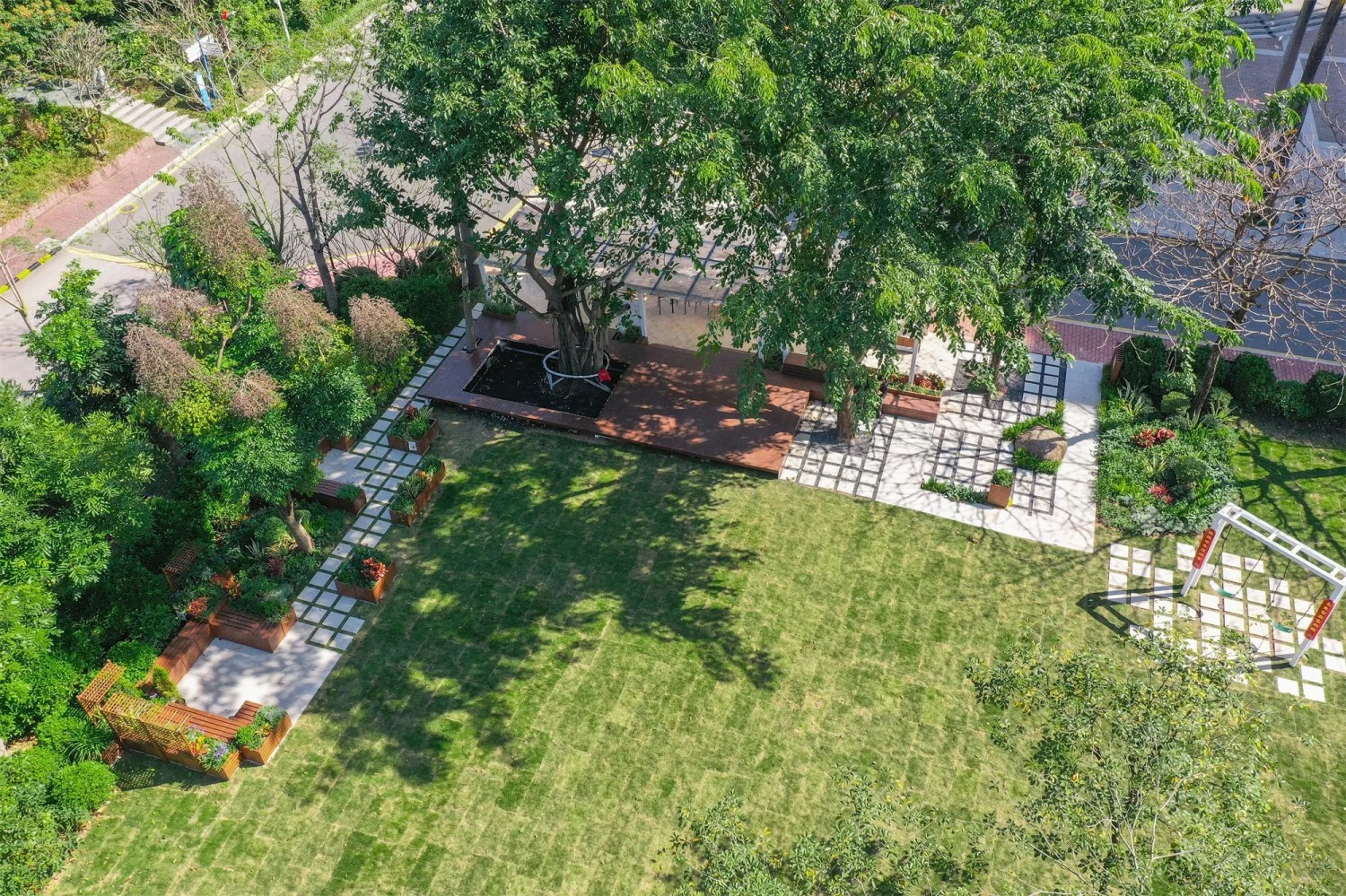
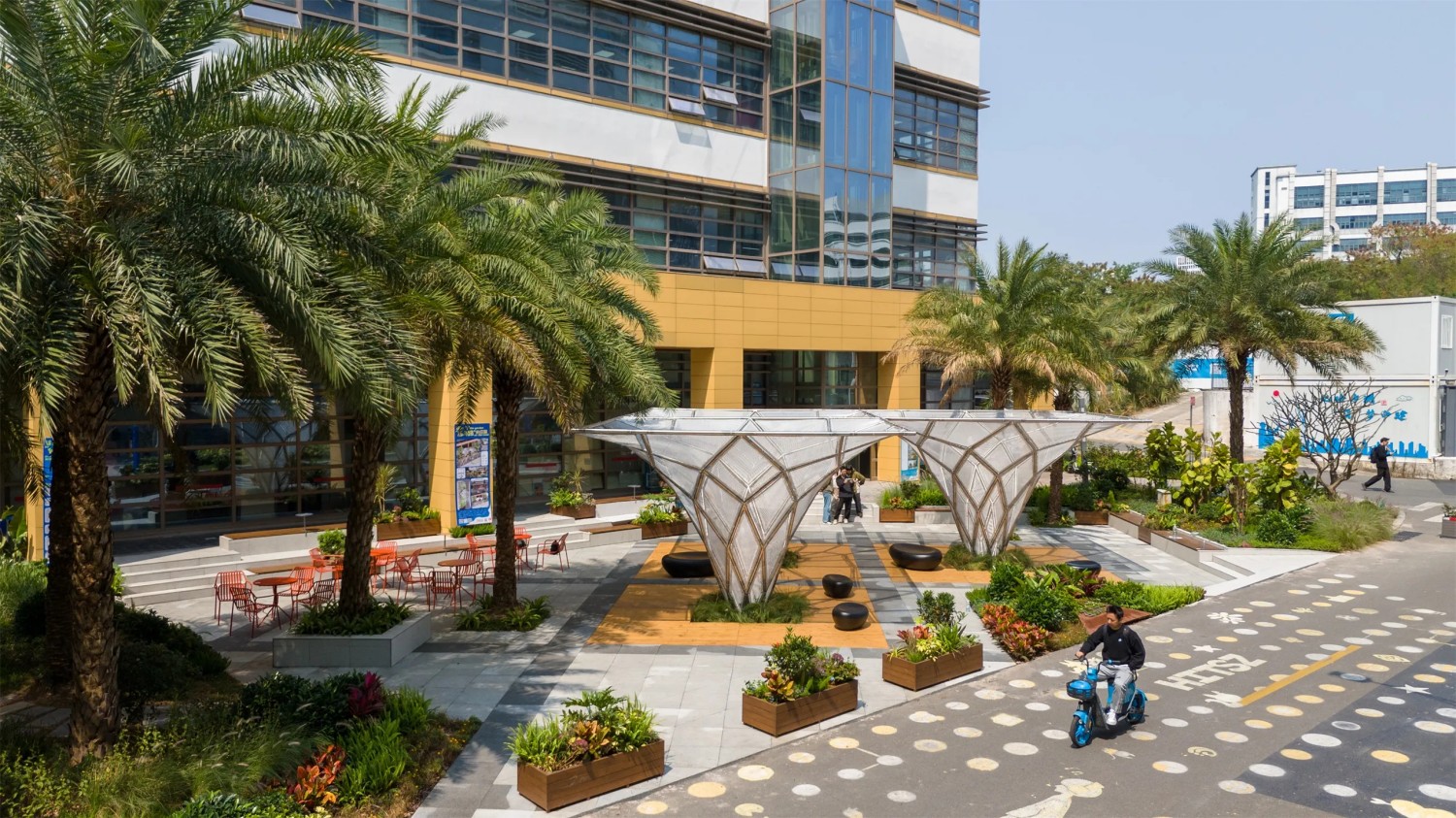
The design can be combined with nature education, ecological classrooms and campus community activities, allowing students to participate in planting, maintenance and observation.
3. Bicycle Racks and Parking Facilities
Campus bicycle racks are commonly placed near dormitories, teaching buildings, sports fields and main entrances. They need to balance capacity, order and visual quality.
Common types include:
- Metal bicycle racks
- Stainless steel bicycle racks
- Colorful bicycle racks
- Pergola-style non-motorized vehicle parking areas
- Parking facilities combined with green edges
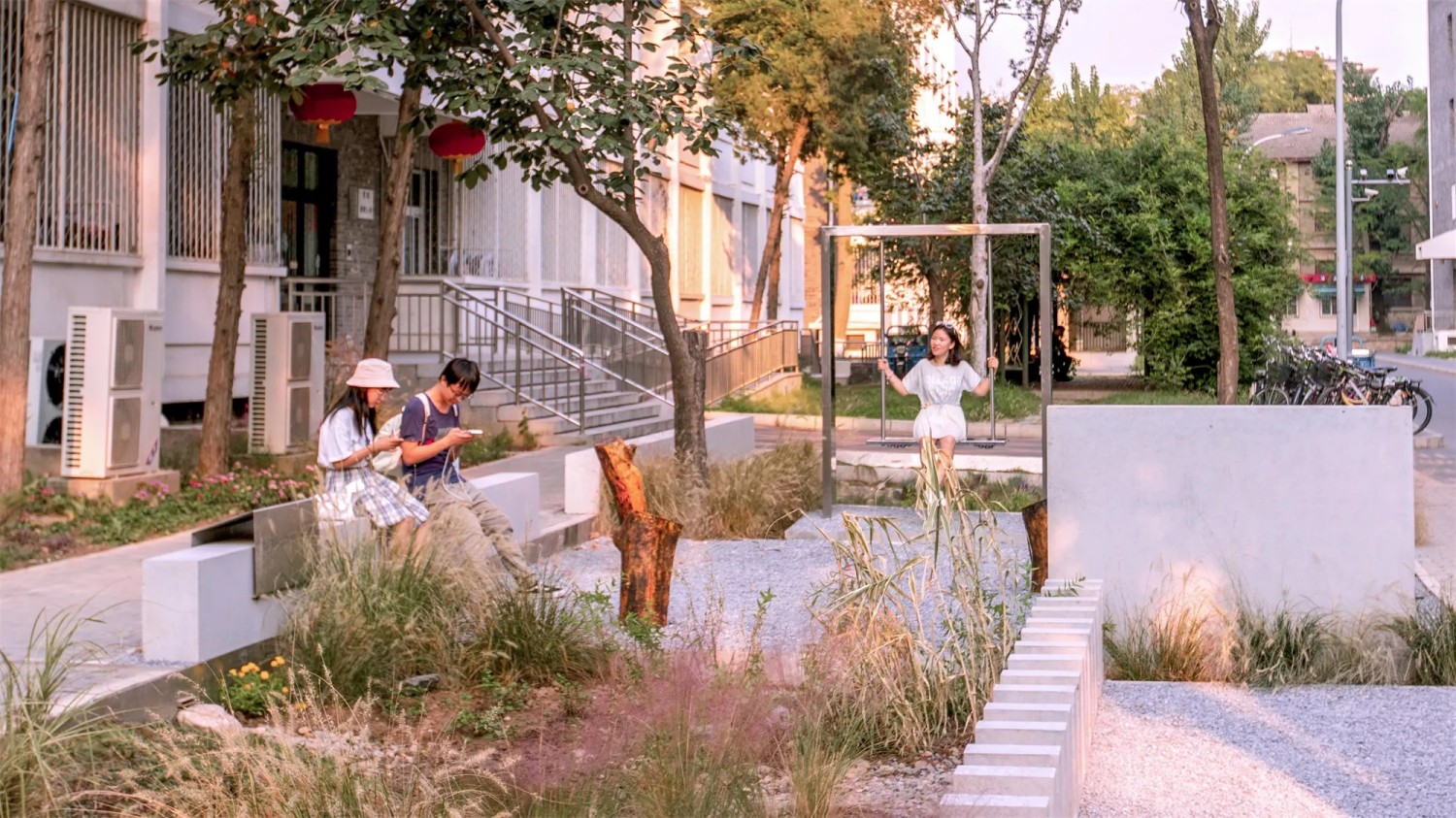
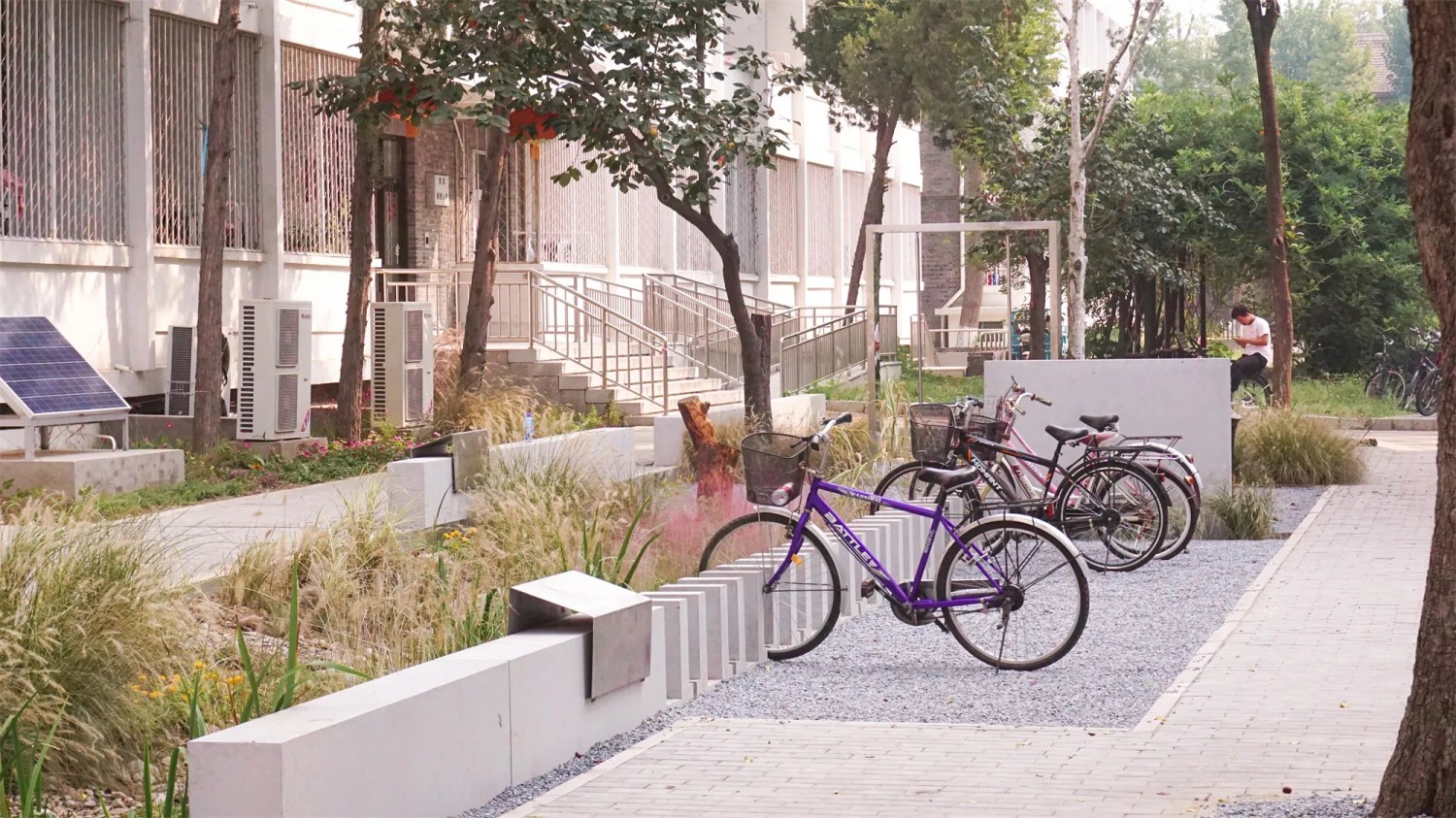
The key design goal is to make bicycle parking more orderly while avoiding occupation of major pedestrian spaces.
4. Signage and Wayfinding Installations
Campus wayfinding systems should be clear, friendly and suitable for student habits. In addition to basic directional guidance, they can also incorporate campus culture, subject themes or color zoning.
Common products include:
- Campus entrance signage
- Building wayfinding signs
- Colorful wayfinding installations
- Activity area signs
- Ground wayfinding paving
- Cultural display panels
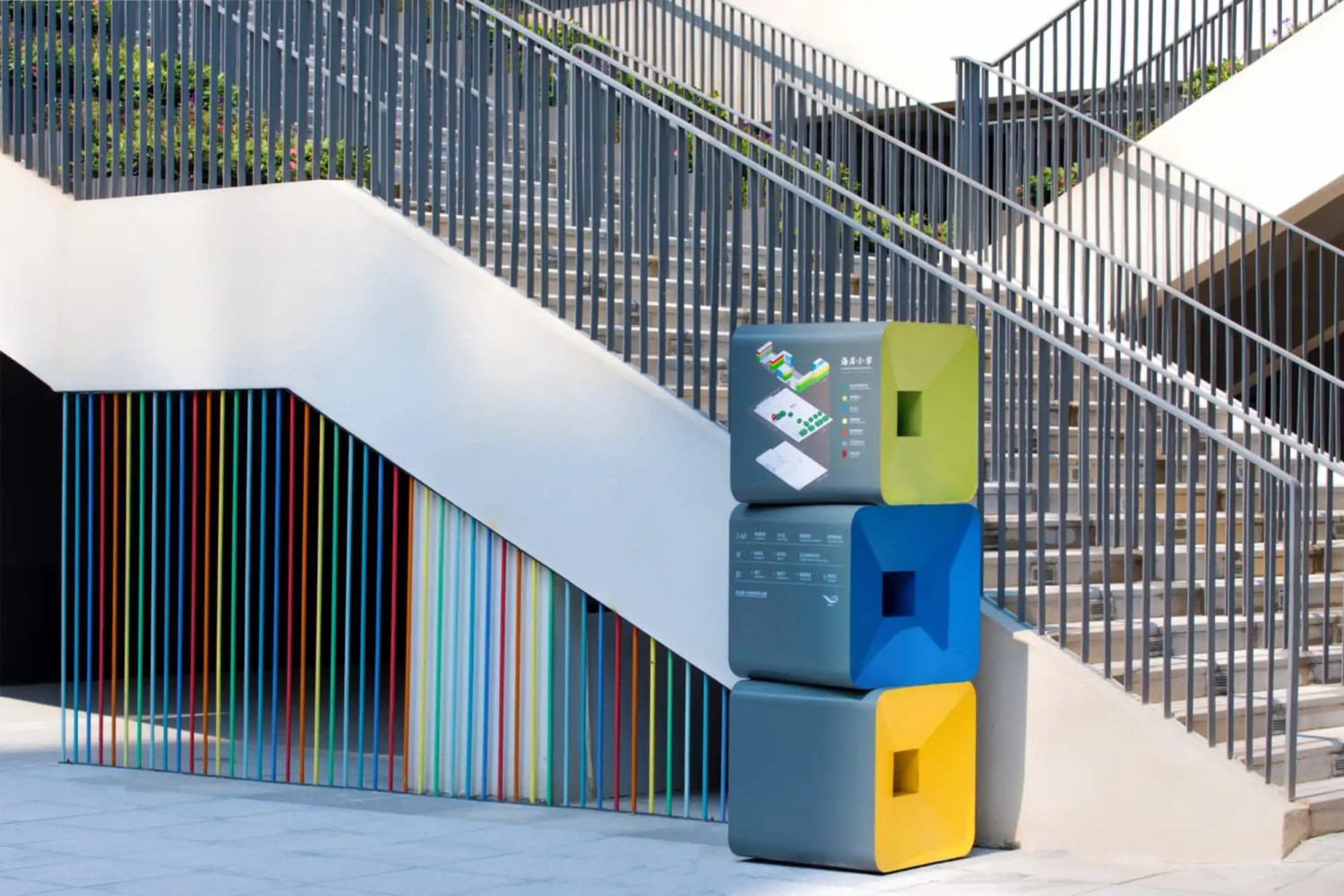
Common materials include metal, stainless steel, acrylic, aluminum panels and painted panels. The visual style can be more lively, but it should not reduce readability.
5. Trash Bins and Public Service Facilities
Campus trash bins should focus on safety, classification, durability and easy maintenance. They can be designed together with the overall landscape colors or wayfinding system.
Common types include:
- Classified trash bins
- Metal trash bins
- Stainless steel trash bins
- Color-coded classified trash bins
- Service facilities combined with planters
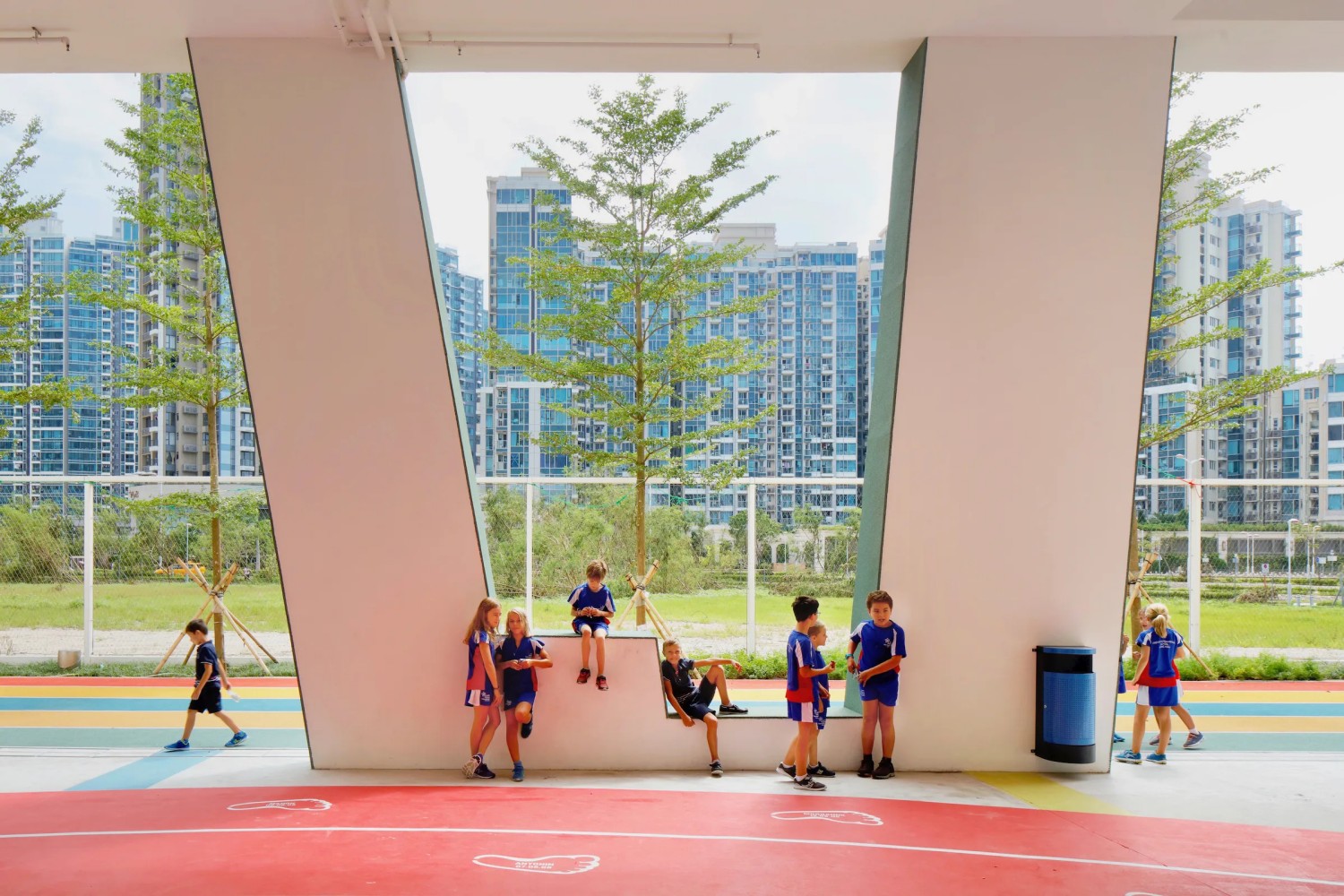
They are usually placed at entrances, sports field edges, teaching building exits, near seating areas and around dining or activity spaces.
Design Concept
The focus of campus outdoor furniture is not decoration, but making campus space easier to use. Products such as seating, planters, wayfinding signs, bicycle racks and trash bins should be connected with learning, resting, activities, waiting, social interaction and nature education.
The overall design can focus on the following directions:
- Safe and durable: Suitable for high-frequency use, with rounded edges and stable structures.
- User-friendly scale: Heights and dimensions can be adjusted for primary school students, middle school students and university students.
- Lively colors: Bright colors can be used appropriately to enhance campus identity and interest.
- Natural integration: Combine trees, planters, rain gardens and ecological planting to create a more open learning environment.
- Multi-functional use: Seating, tree tables, flower beds, steps and pergolas can support resting, communication, outdoor learning and activity display at the same time.