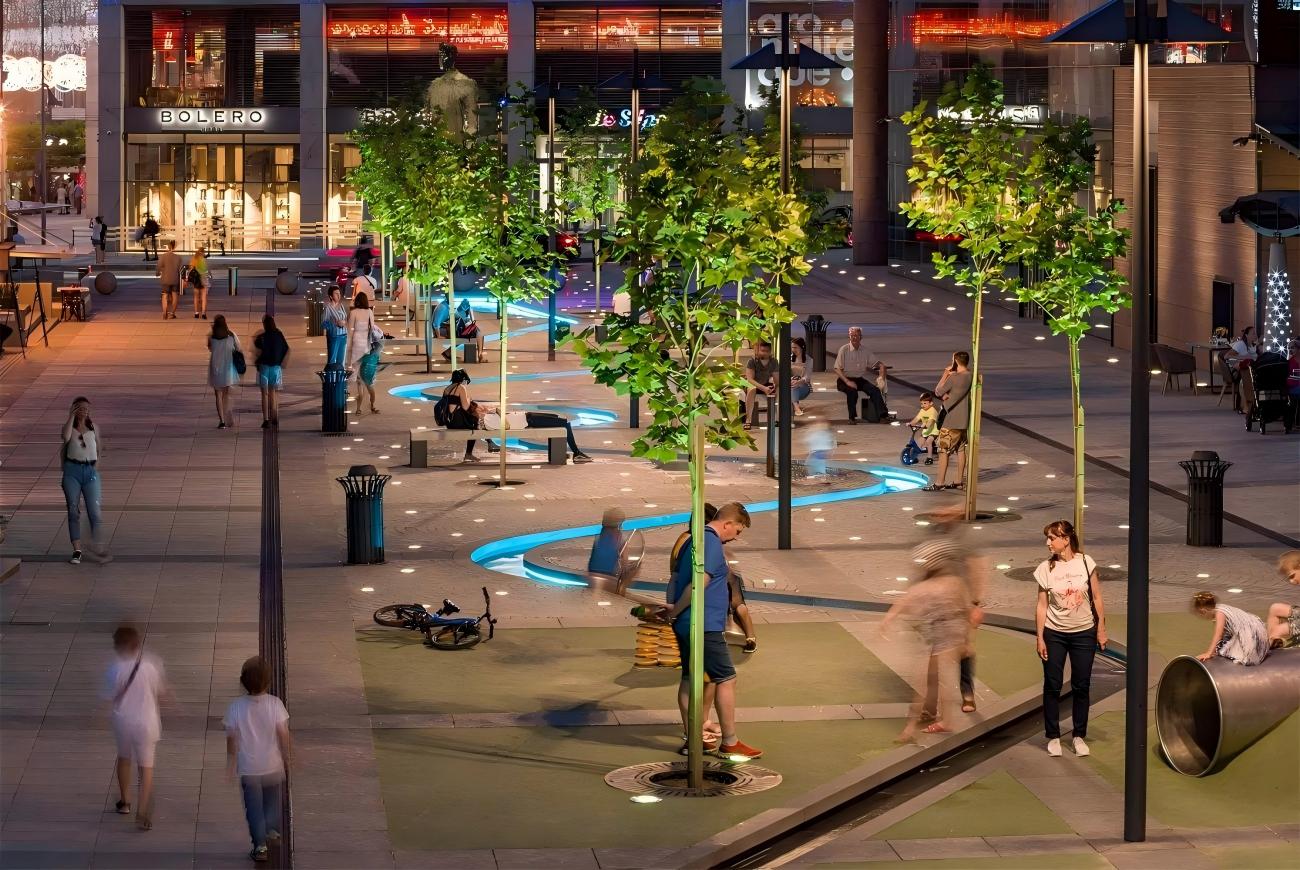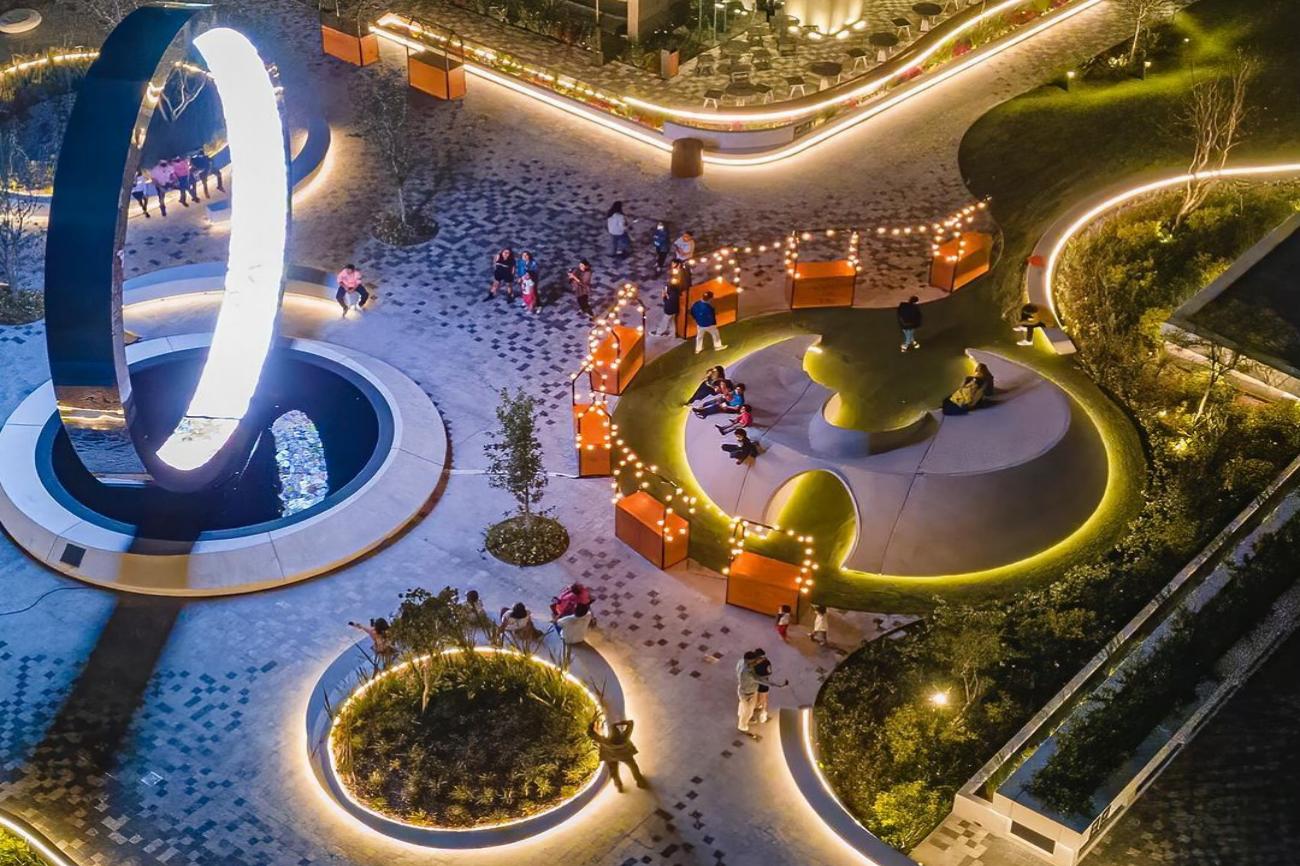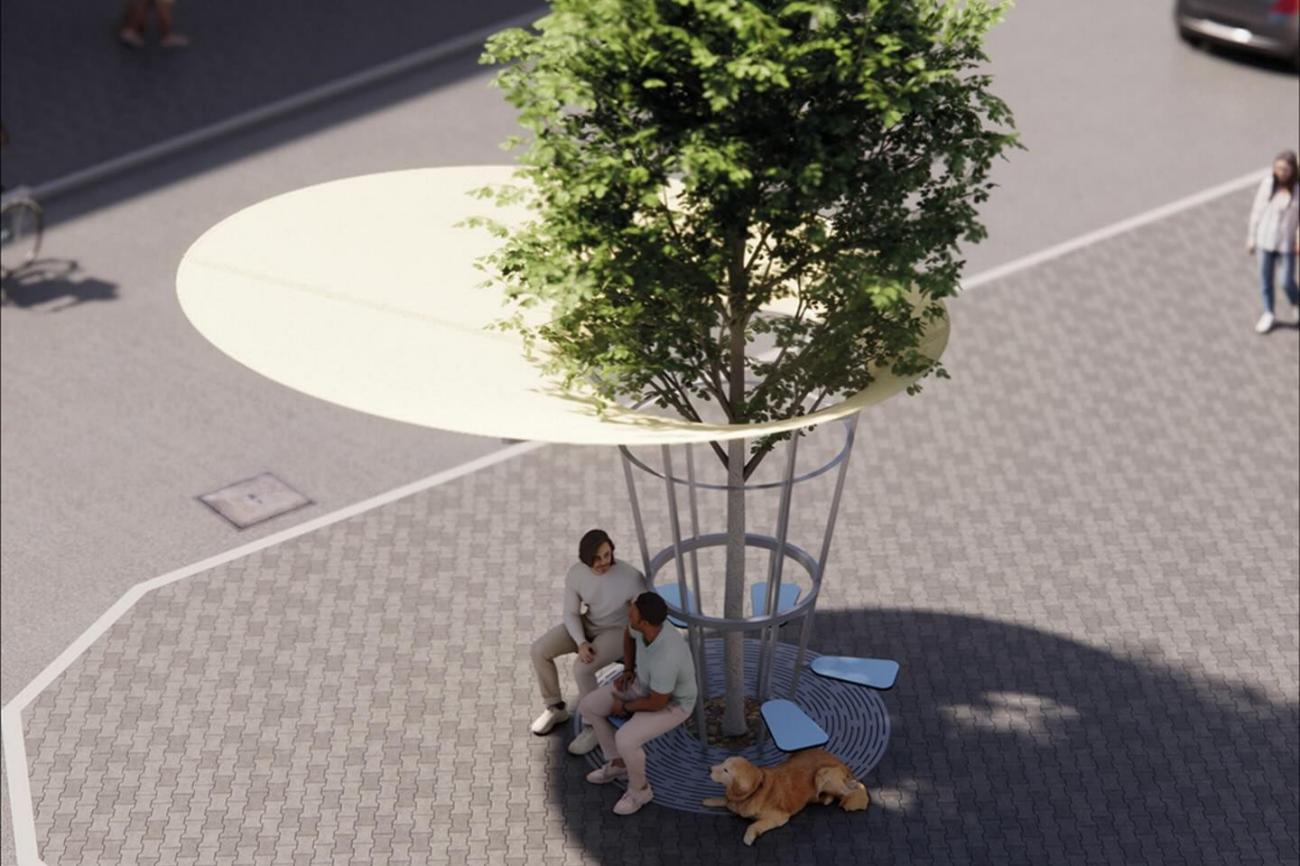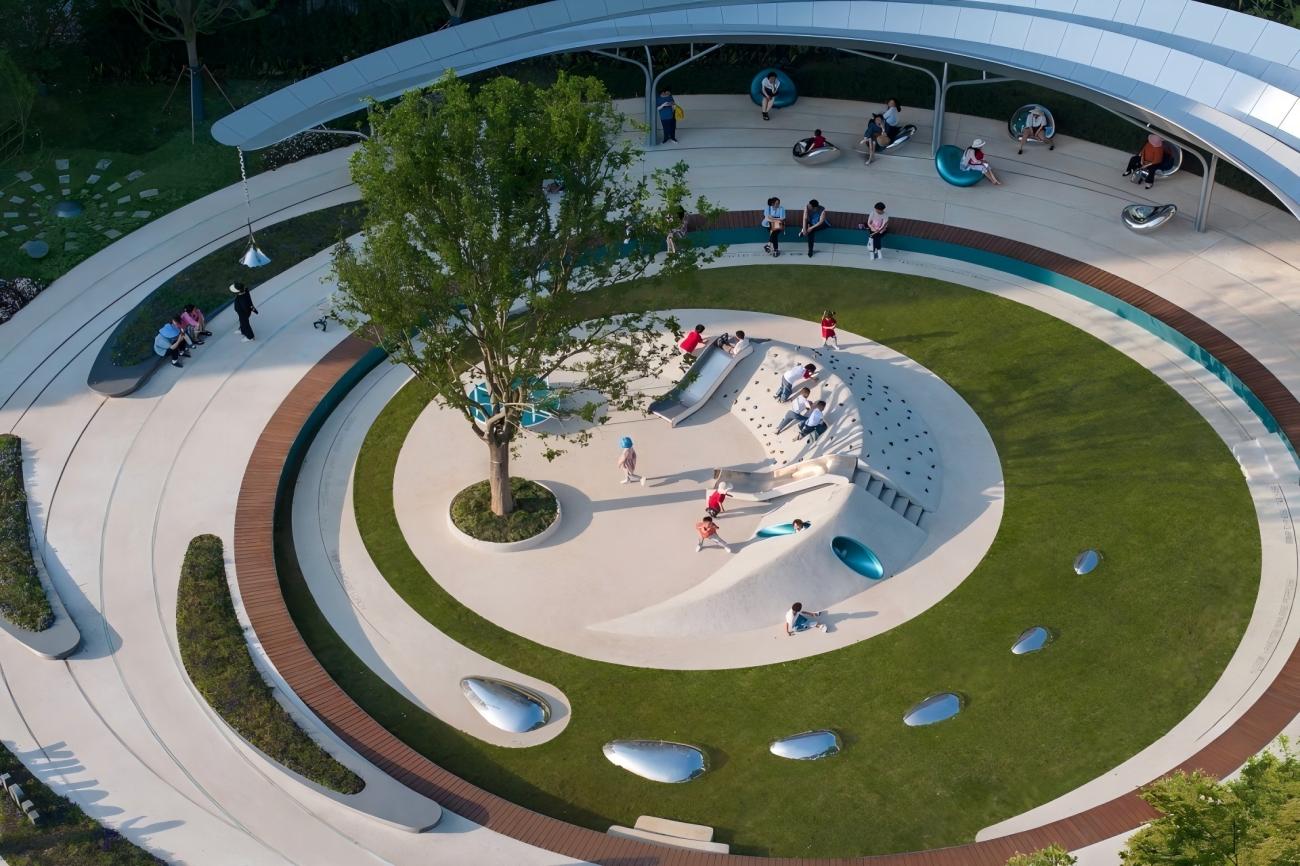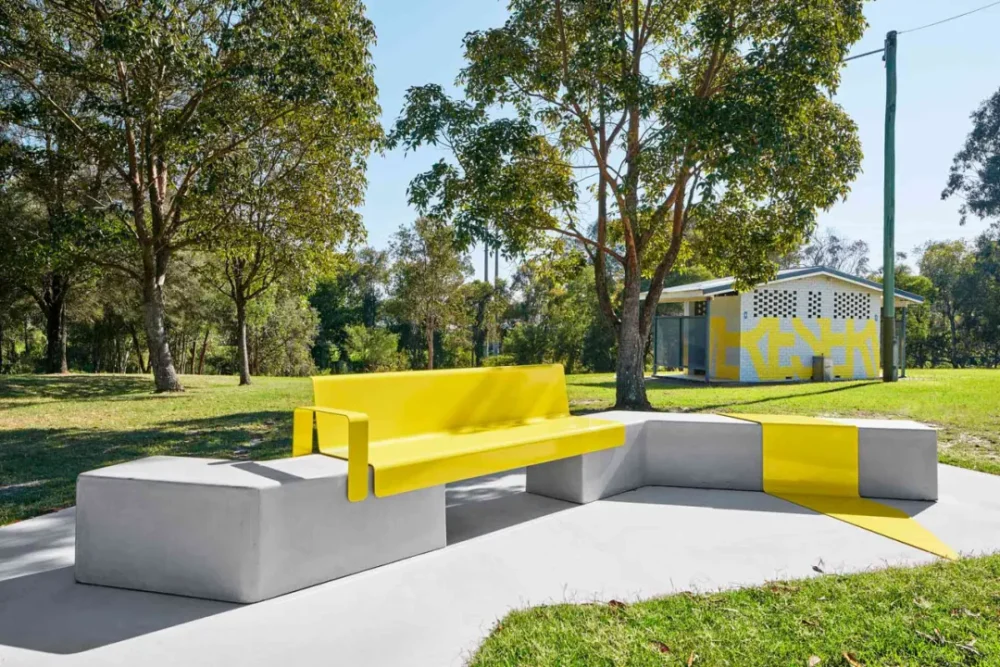
Public benches installed in high-traffic areas—such as large parks, plazas, streetscapes, transit zones, and commercial districts—must meet stricter performance requirements than standard outdoor seating.
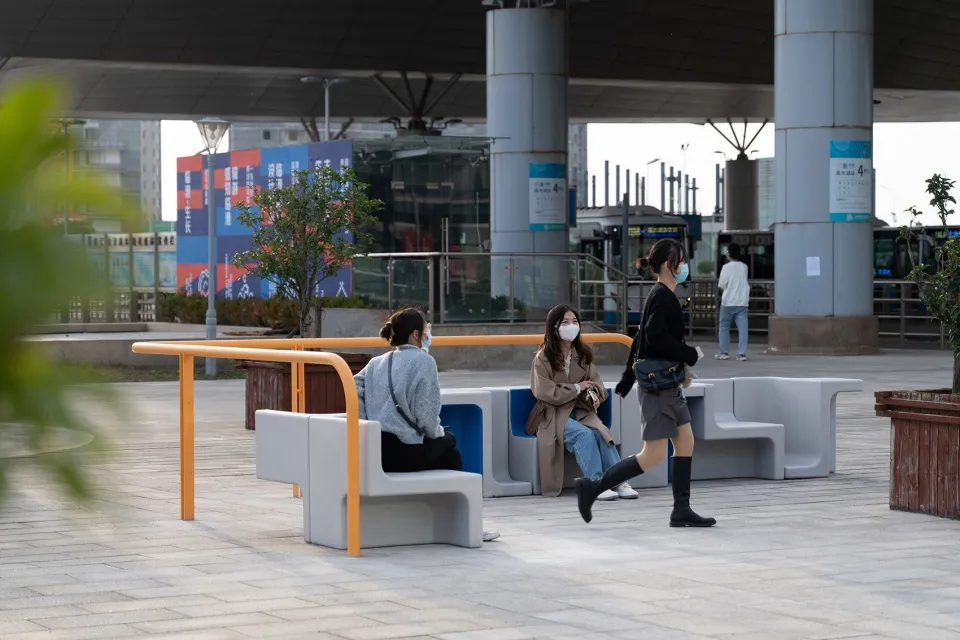
1. High Structural Strength
Public benches in busy environments must support frequent and simultaneous use. Strong structural design ensures the bench can handle:
-
Multiple users at the same time
-
Continuous loading and movement
-
Accidental impacts or misuse
A robust structure reduces the risk of deformation, cracking, or failure over time.
2. Proven Safety Performance
Safety is critical in public spaces. Benches should be designed to minimize risk by incorporating:
-
Stable, well-balanced construction
-
Rounded edges and smooth surfaces
-
Secure anchoring or fixing options
These features help prevent tipping, injury, or unauthorized relocation.
3. Resistance to Vandalism
High-traffic public areas are more vulnerable to vandalism. Suitable public benches should offer:
-
Solid, damage-resistant materials
-
Surfaces that resist scratching, chipping, and graffiti
-
Designs that discourage dismantling or theft
Anti-vandal performance helps maintain appearance and functionality with minimal intervention.
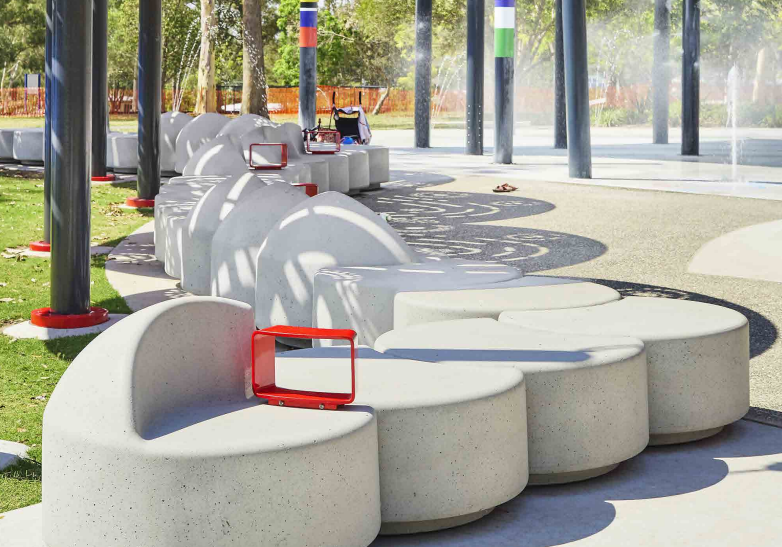
4. Weather and Environmental Durability
Benches exposed to outdoor conditions must withstand long-term environmental stress, including:
-
Rain, moisture, and humidity
-
UV exposure and temperature fluctuations
-
Freeze-thaw cycles in colder climates
Durable materials and finishes ensure a long service life with reduced maintenance.
5. Low Maintenance Requirements
In high-use locations, maintenance costs can escalate quickly. Ideal public benches should require:
-
Minimal cleaning or surface treatment
-
No frequent repainting or part replacement
-
Long-term performance without intensive upkeep
Lower maintenance needs translate into better lifecycle cost efficiency.
6. Functional and Inclusive Design
Public benches should accommodate a wide range of users and usage patterns. Effective design considerations include:
-
Comfortable seating height and depth
-
Optional backrests or armrests depending on use duration
-
Compatibility with surrounding urban or landscape design
Good ergonomics encourage proper use while maintaining durability.
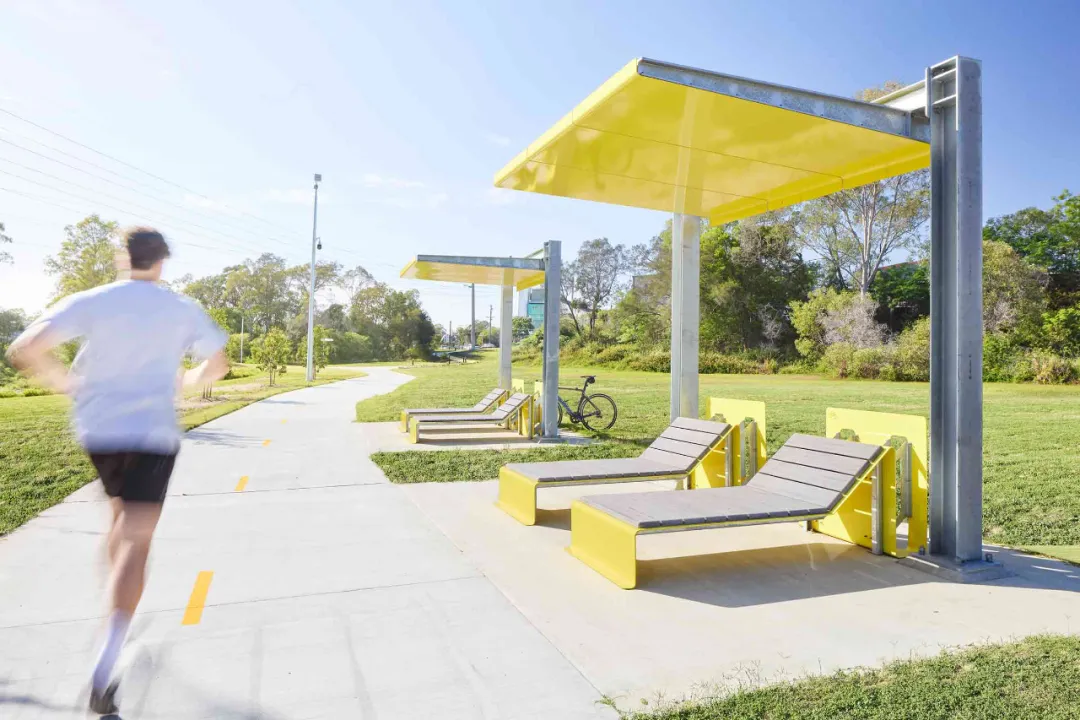
Benches in high-traffic public areas must prioritize structural strength, safety, durability, and low maintenance costs to meet the functional and aesthetic needs of public spaces. With years of experience in the design and installation of urban furniture, we can provide a professional solution for your project.