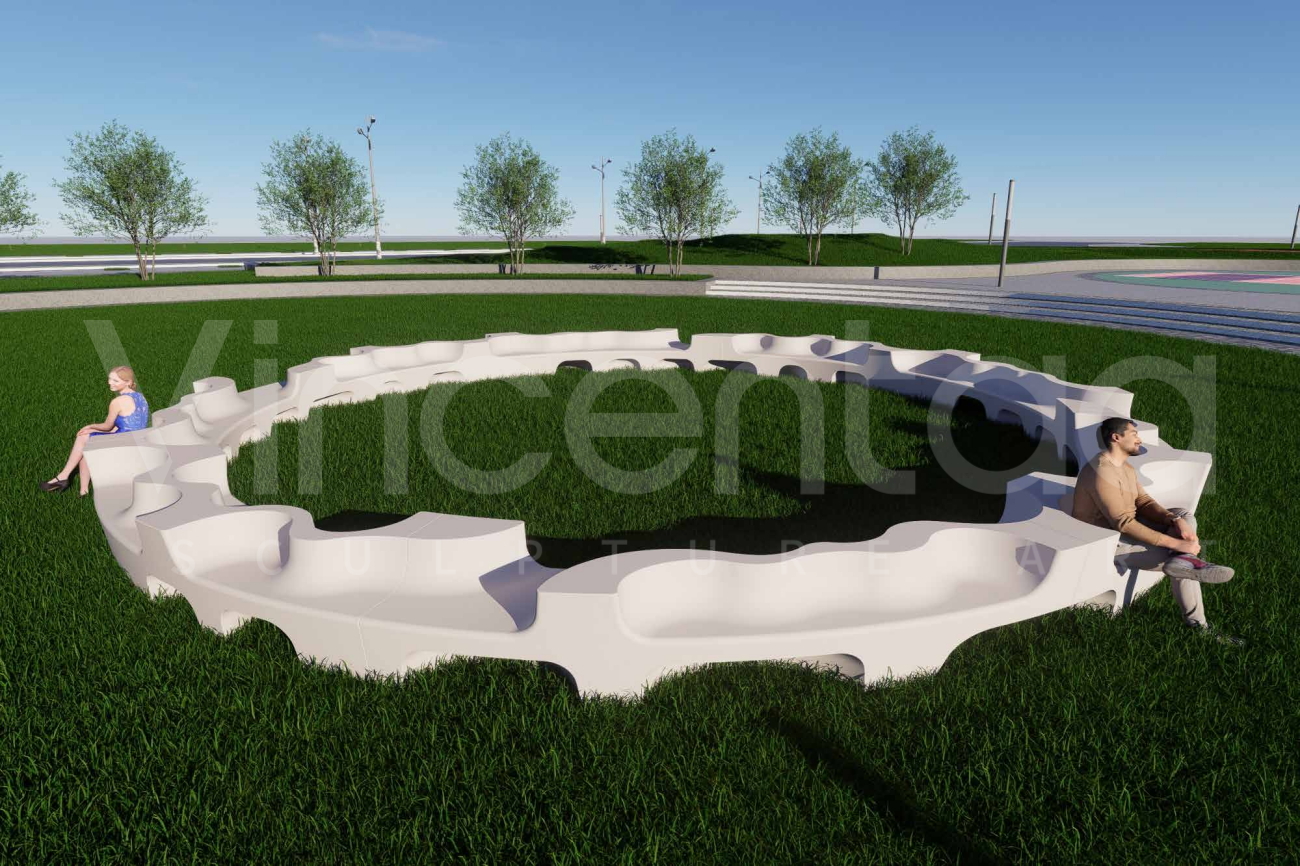
In many street furniture projects, design changes, dimensional conflicts, layout revisions, and on-site rework often result from insufficient design validation during the early stages of the project.
Through 3D visualization, project teams can identify potential issues, optimize designs, and evaluate how products interact with their surroundings before production begins. This helps reduce rework, minimize risks, and improve overall project efficiency.
1. Helping Clients Better Understand the Design
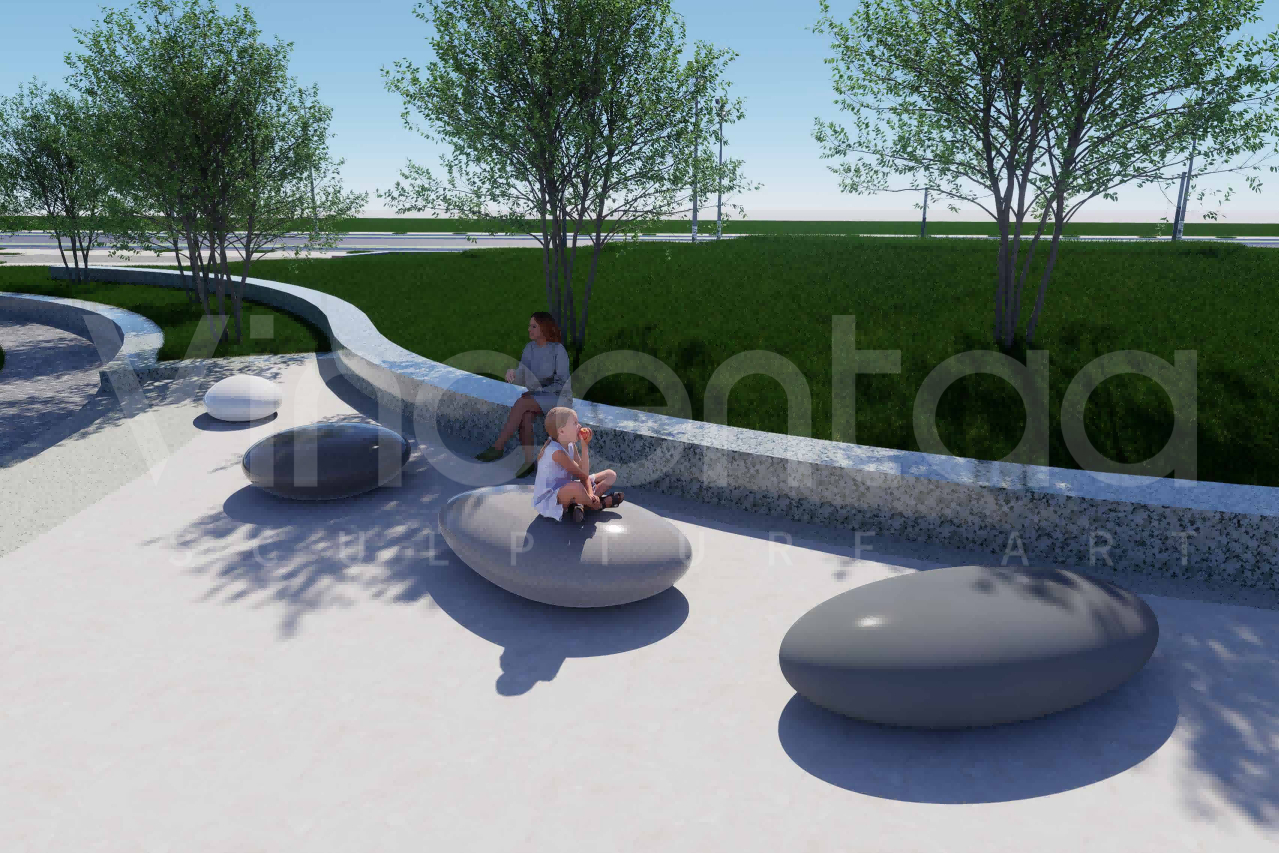
In many projects, design concepts are typically presented through CAD drawings, floor plans, and technical documents. However, for non-design professionals, it can be difficult to accurately imagine the final result based solely on 2D drawings.
Common Challenges
-
Clients have different interpretations of the design
-
Decision-makers focus on different priorities
-
Design approval takes longer than expected
-
Frequent revision requests arise later in the project
How 3D Visualization Helps
Through 3D renderings, clients can clearly see:
-
Product appearance
-
Dimensions and proportions
-
Material finishes
-
Color combinations
-
Spatial relationships
Compared with traditional drawings, 3D visualization allows clients to better understand the proposed street furniture design and make decisions more efficiently.
2. Identifying Compatibility Issues Between Design and Site Conditions
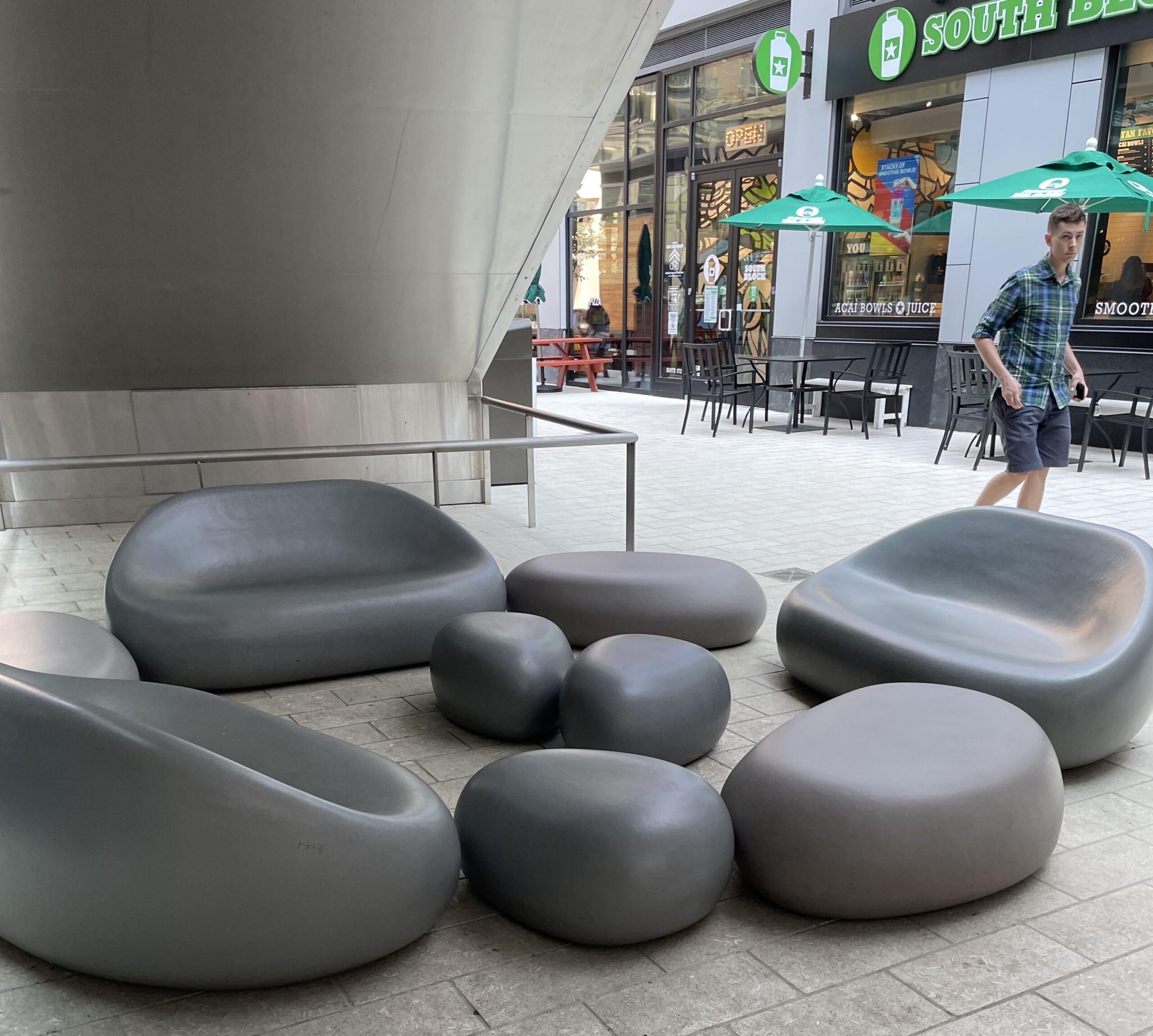
Street furniture is an integral part of a public space. Even if the product itself is well designed, the final result may still be compromised if it does not fit harmoniously within its surroundings.
Common Challenges
-
Product dimensions are not proportional to the site
-
Furniture placement disrupts pedestrian flow
-
The design does not match the surrounding architecture
-
The overall user experience is affected
How 3D Visualization Helps
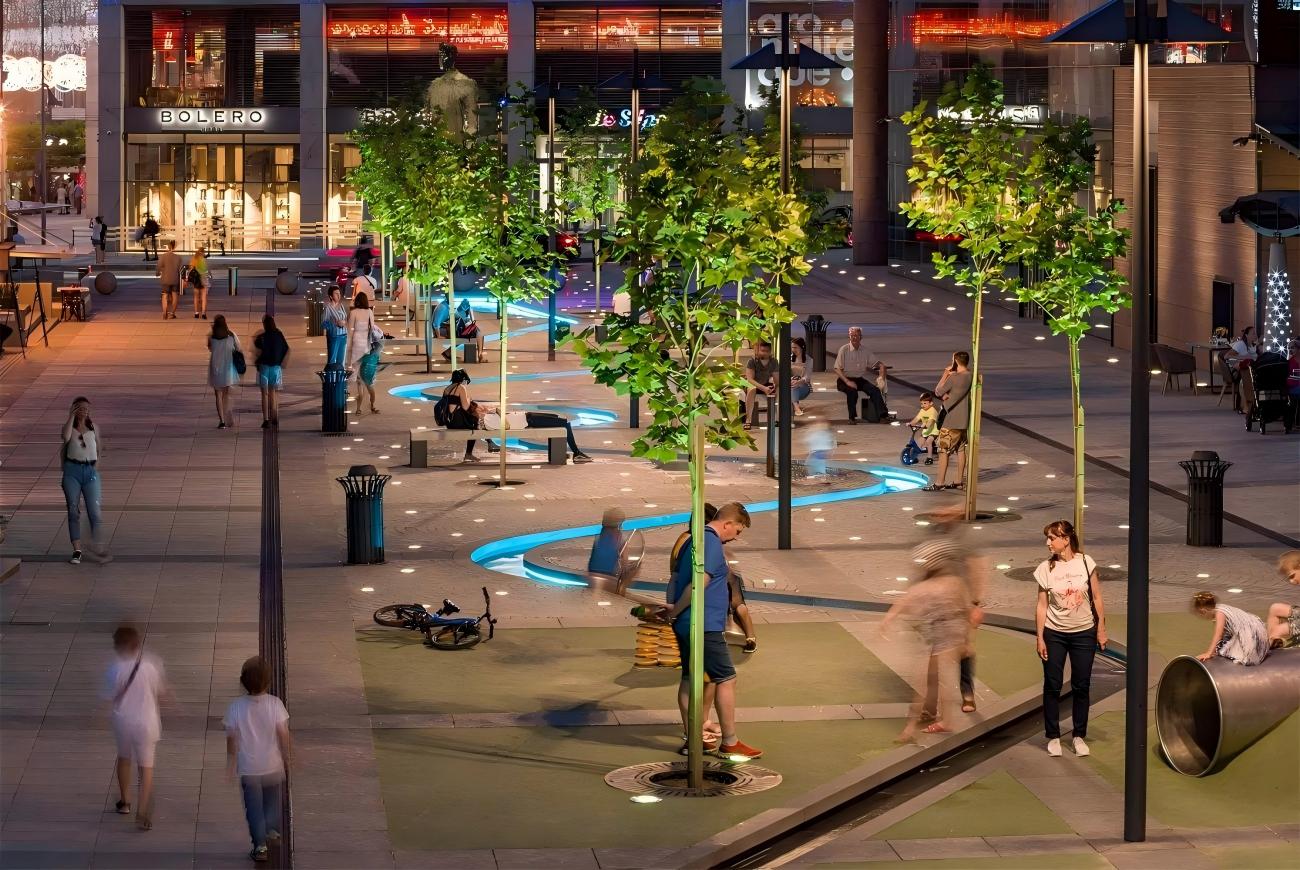
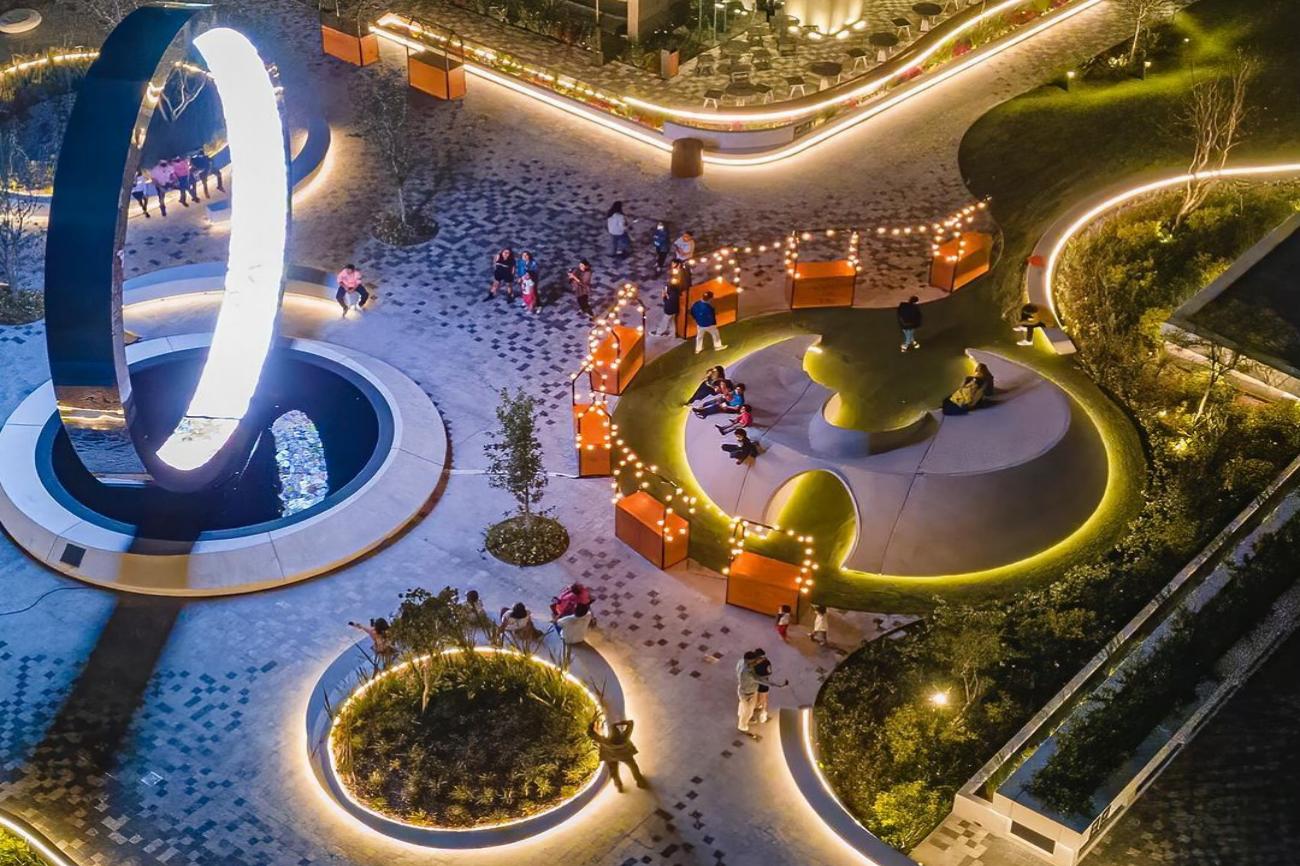
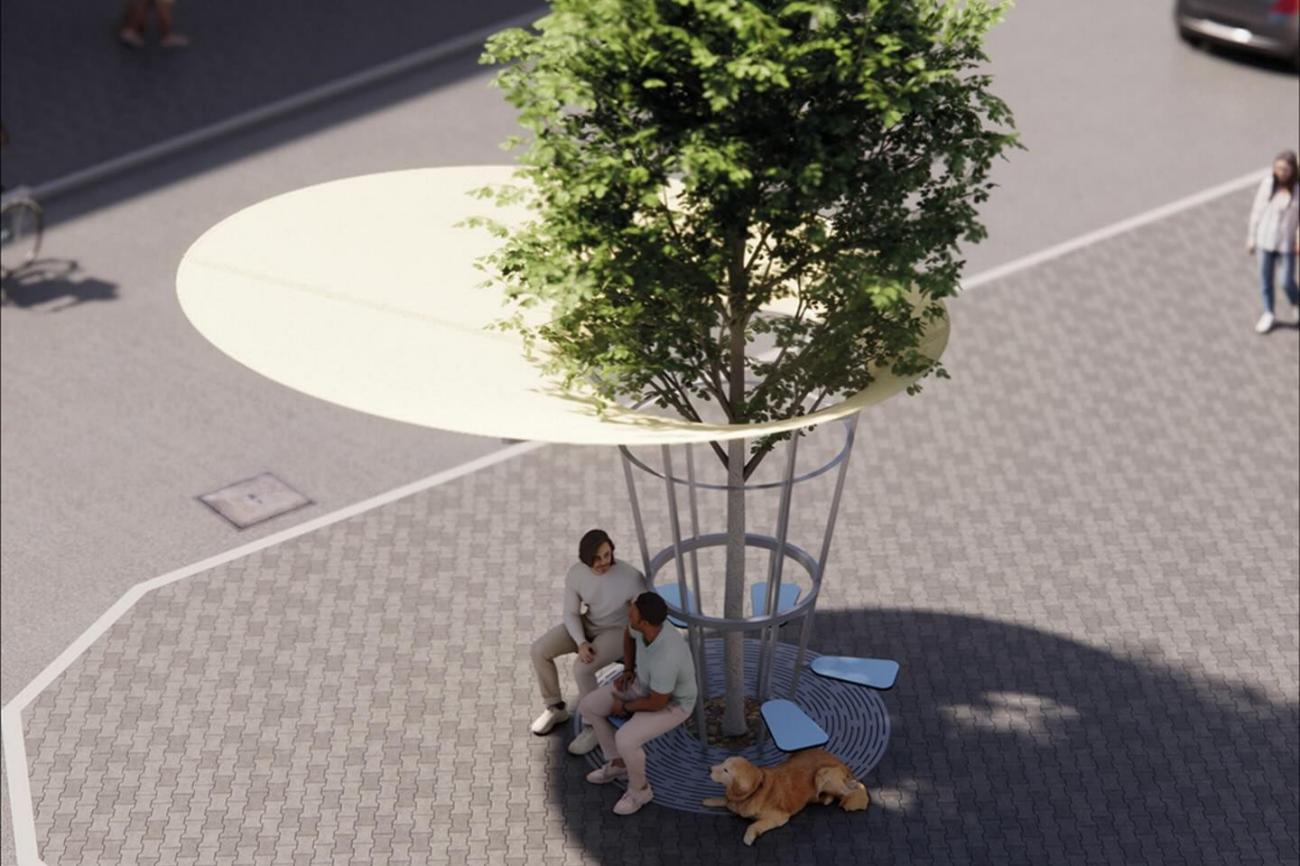
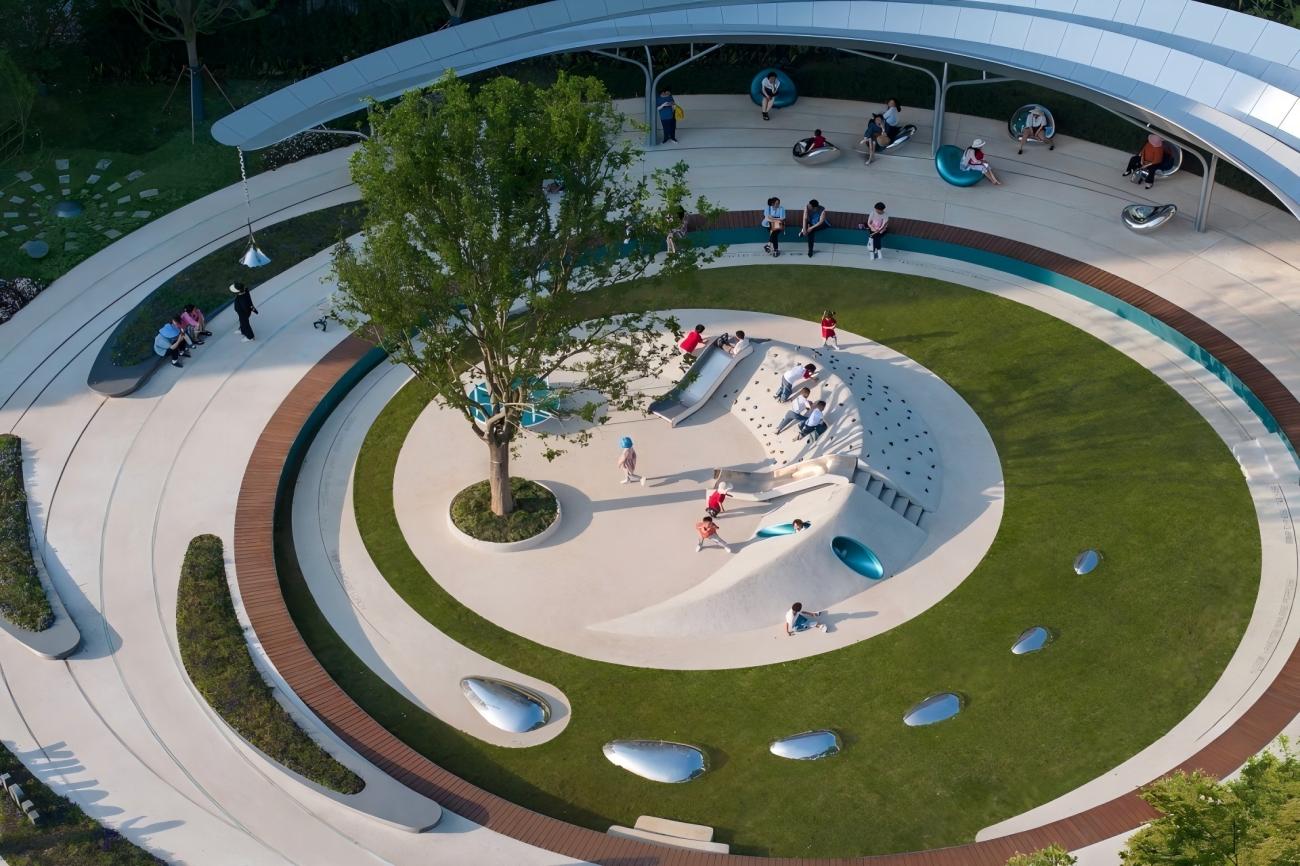
Through realistic scene simulations, design teams can place products into actual environments before production.
For example:
-
Parks
-
Commercial streets
-
Public plazas
-
Waterfront areas
-
Community spaces
Clients can evaluate how the products interact with the surrounding environment and optimize the design during the early stages of the project.
3. Reducing Design Changes and Rework
Once a project enters the production stage, design changes can affect manufacturing schedules, procurement plans, transportation arrangements, installation timelines, and even lead to additional costs.
Common Situations
-
Clients are dissatisfied with the final appearance after seeing the finished product
-
Product dimensions need to be adjusted after production
-
Design revisions are required before installation
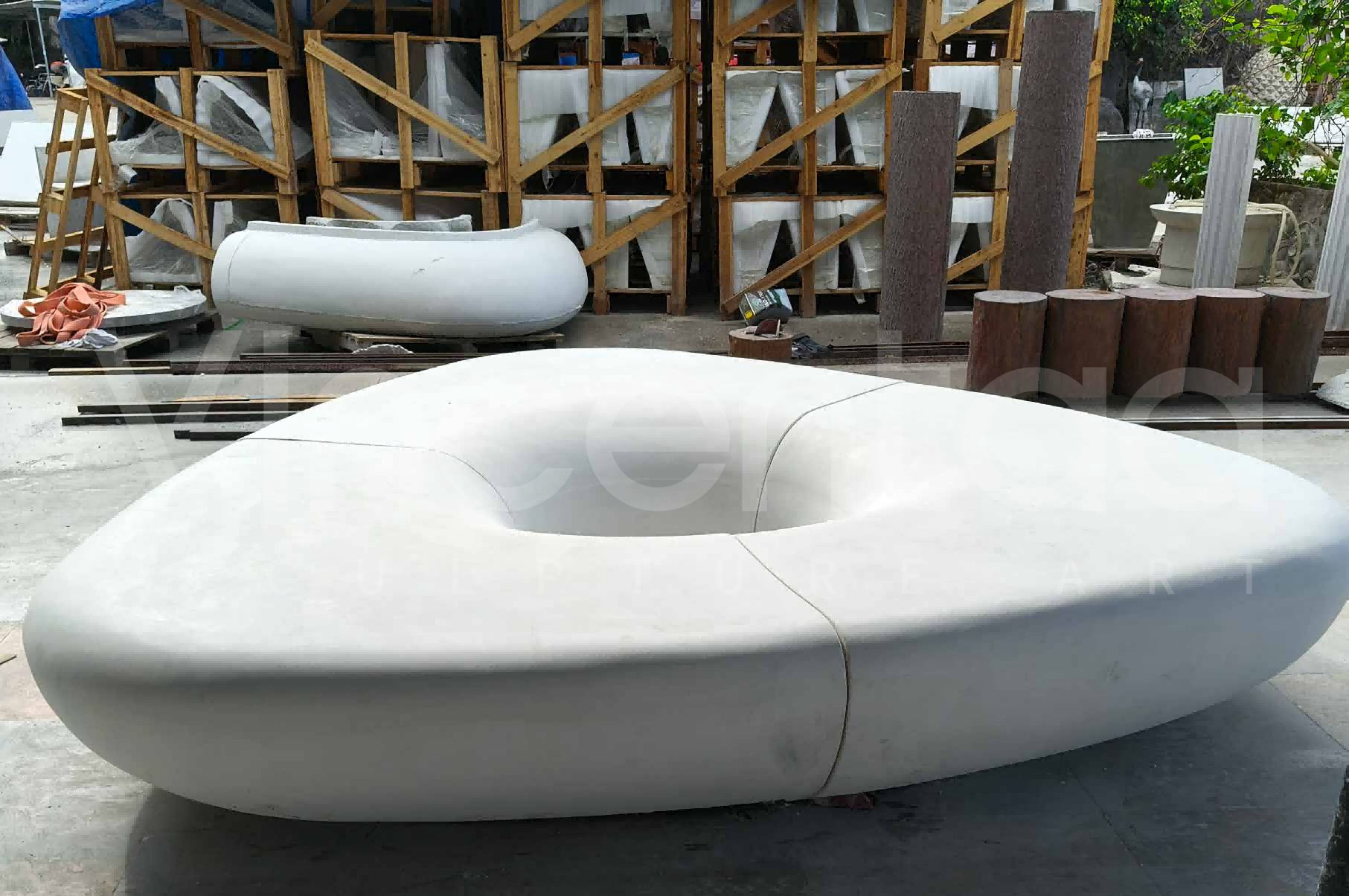
How 3D Visualization Helps
By presenting the final result in advance, project teams can complete most design approvals before production begins.
This significantly reduces the likelihood of costly modifications later in the project and helps ensure a smoother transition from design to installation.
For custom street furniture projects, the later an issue is discovered, the more expensive it becomes to fix.
4. Supporting Project Planning and Budget Control
For municipal projects and large public space developments, budget control is always a critical concern. In many cases, additional costs do not come from the products themselves but from design revisions and rework.
Common Challenges
-
Design changes increase project costs
-
Repeated revisions affect the overall budget
-
Unexpected expenses occur during construction
How 3D Visualization Helps
By confirming design directions and project layouts early, teams can avoid unnecessary revisions and resource waste.
Project stakeholders can more accurately plan:
-
Material requirements
-
Production schedules
-
Installation coordination
-
Budget forecasting
As a result, the entire project becomes more predictable and easier to manage.
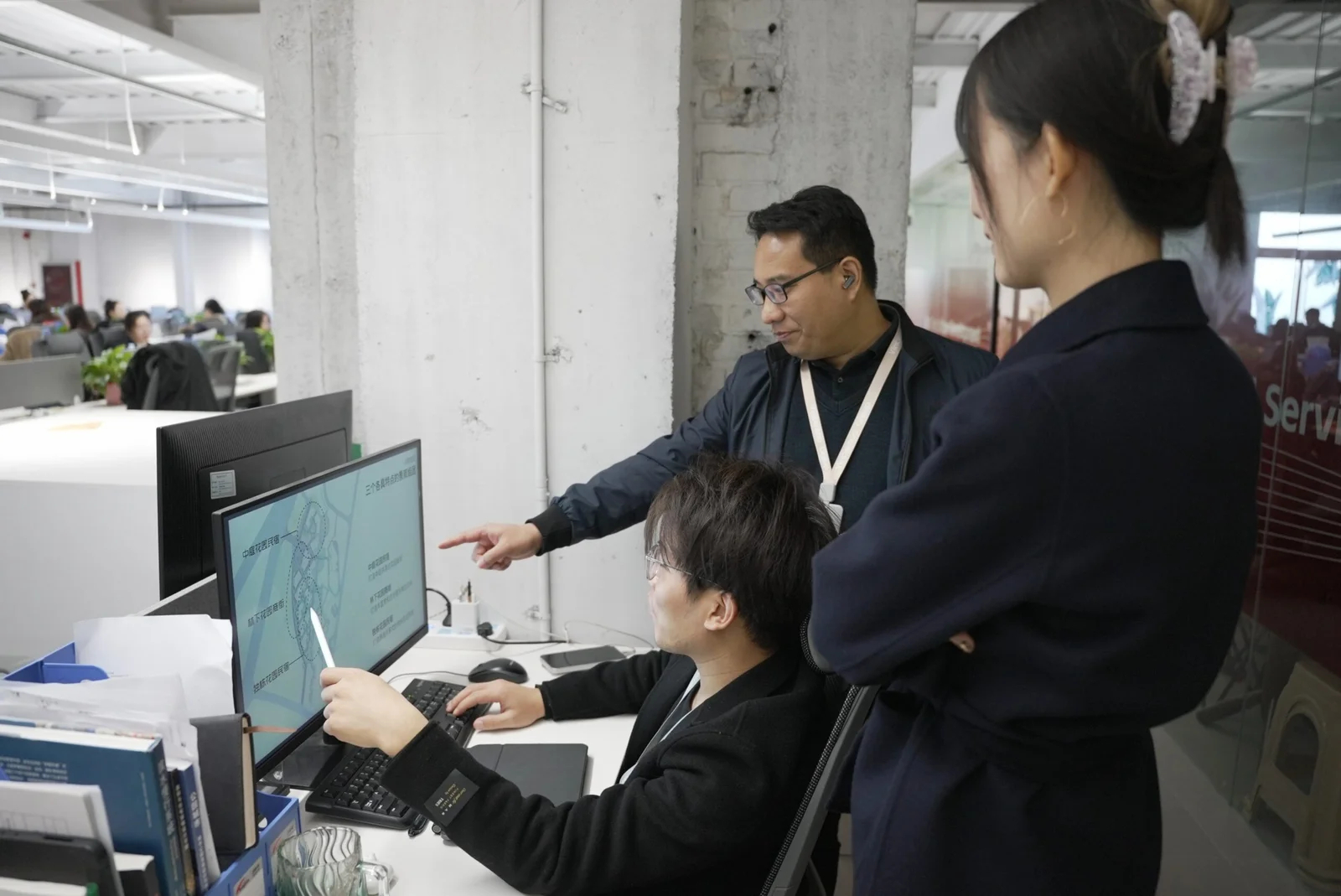
How Urban Furniture Uses 3D Visualization to Support Projects
At Urban Furniture, we provide 3D visualization support during the early stages of a project based on site conditions and client requirements. This helps clients better understand design concepts and evaluate potential risks before production begins.
Our team can assist with:
-
Site simulations
-
Product layout optimization
-
Spatial relationship analysis
-
Design validation
As an experienced street furniture supplier, we work closely with our design, engineering, and project management teams to help clients make more confident decisions before production and installation begin.