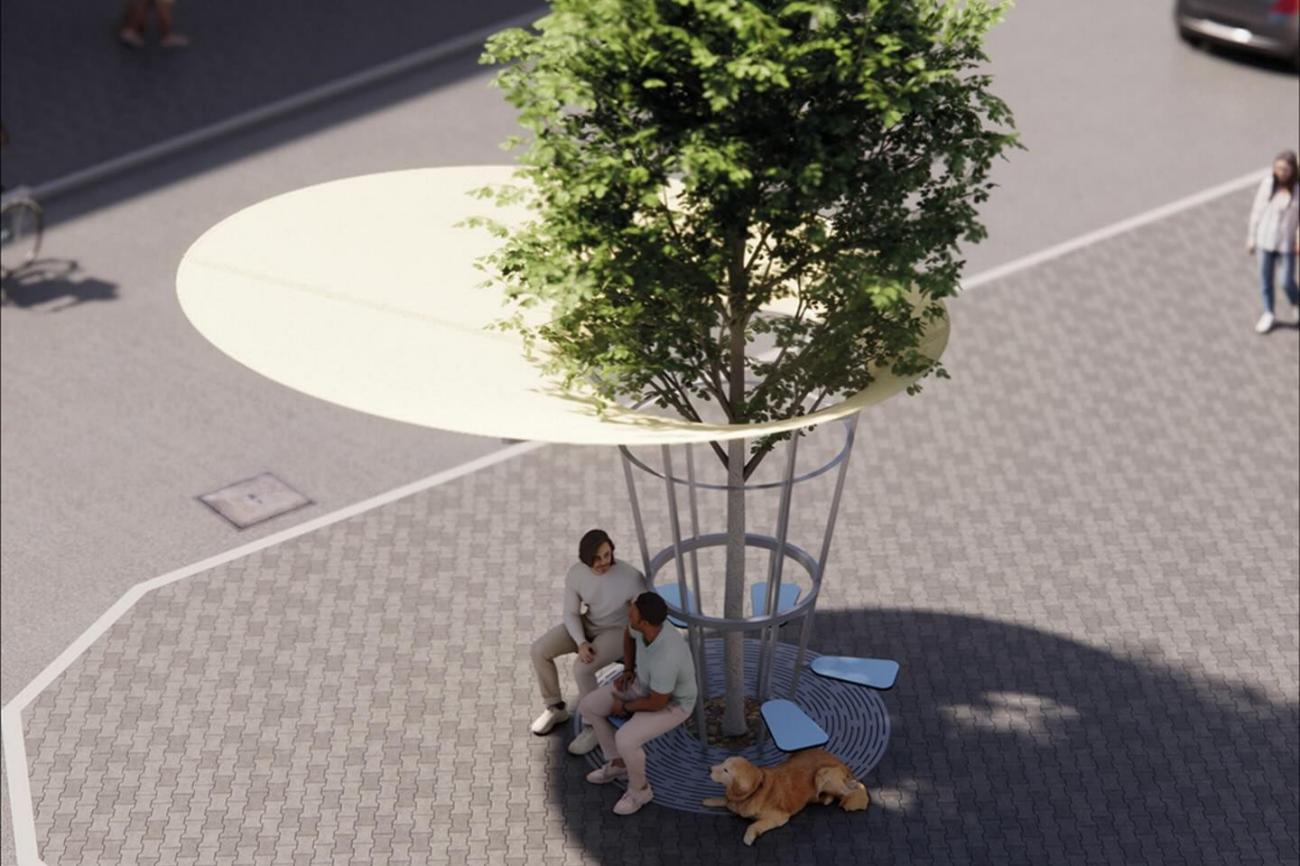
Why Unshaded Seating Often Goes Unused in Hot Climates
In hot climates, it is common to see plenty of outdoor seating in a public space, yet very few people use it during the middle of the day or in the afternoon.
The problem is not always a lack of seating. In many cases, the seats are exposed to direct sunlight, the surfaces become too hot, or the available shade does not cover the seating during the hours when people need it most.
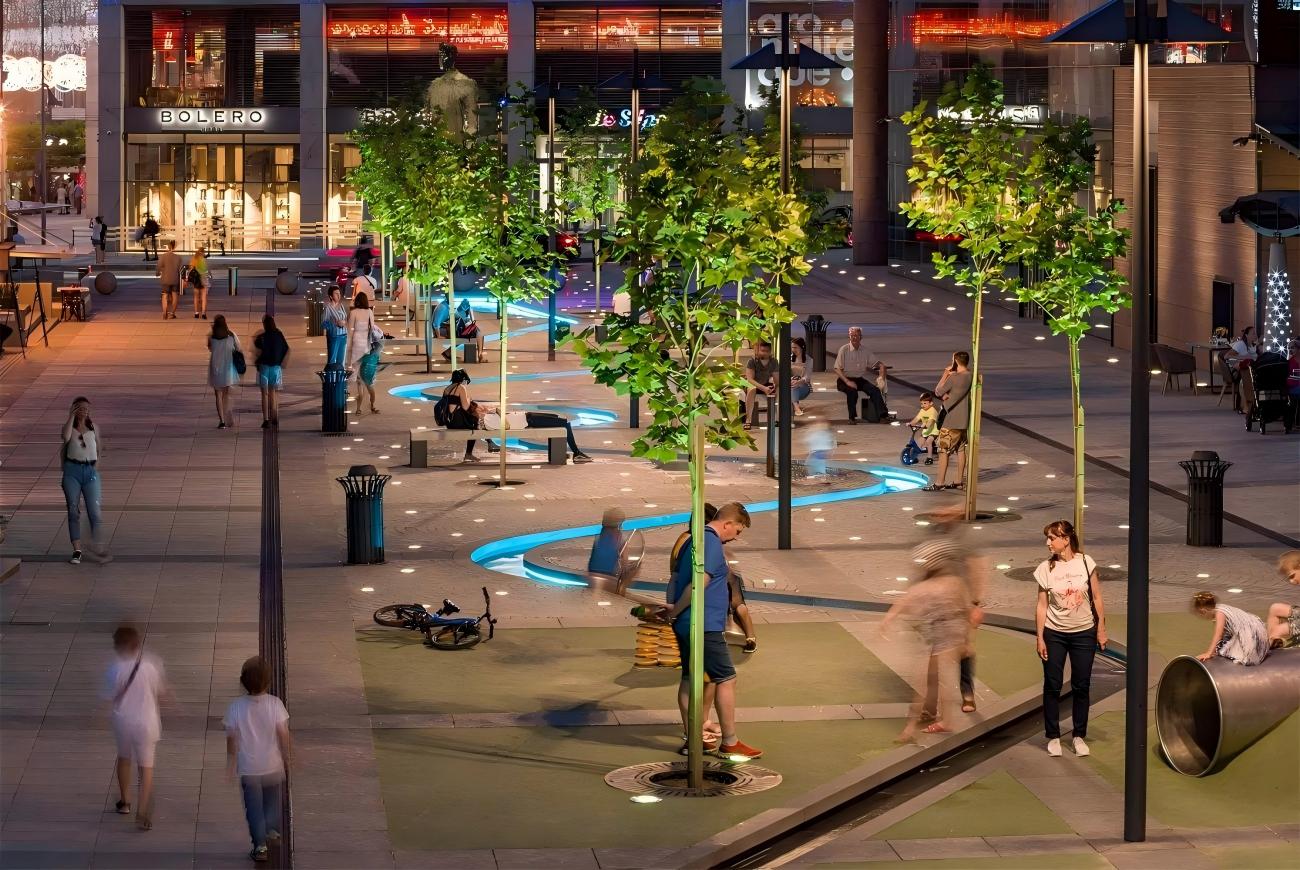
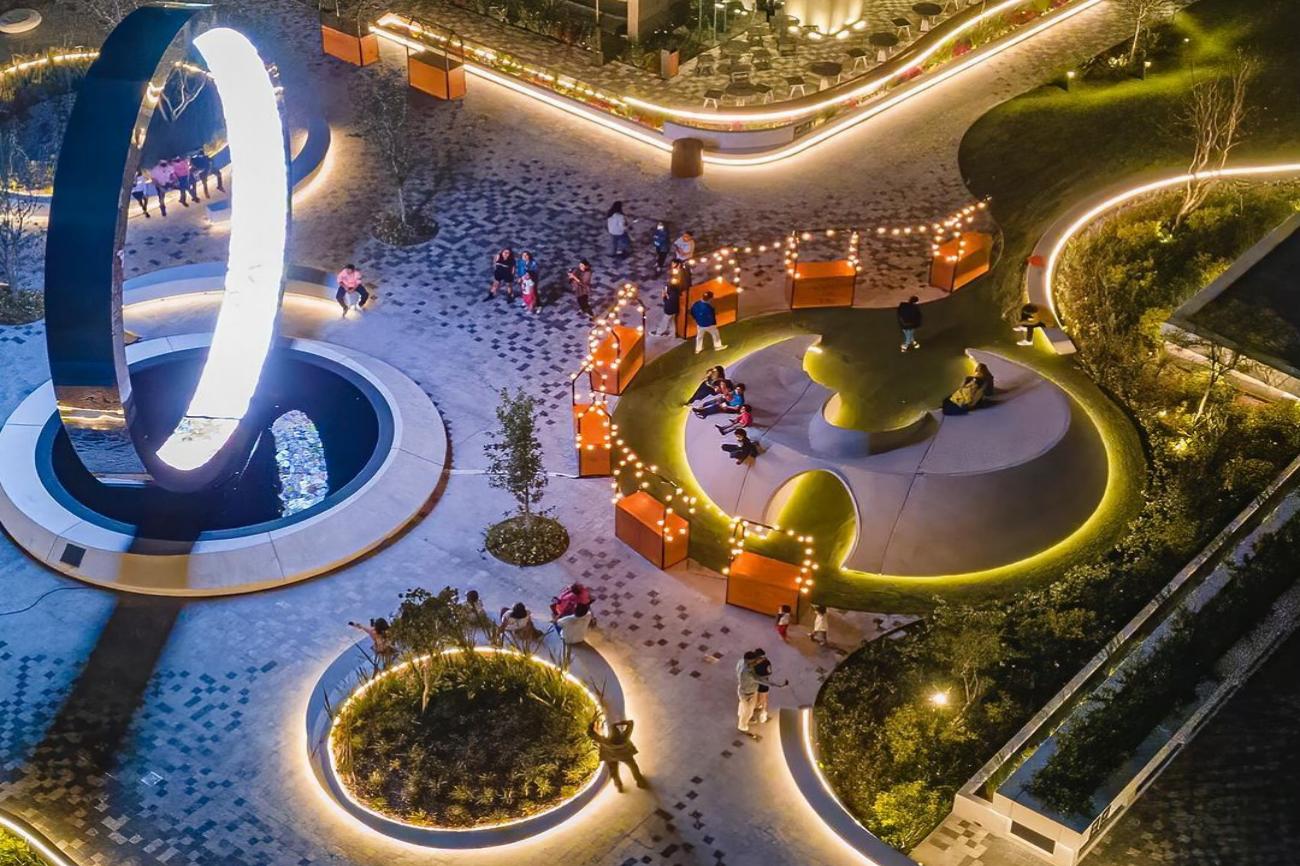
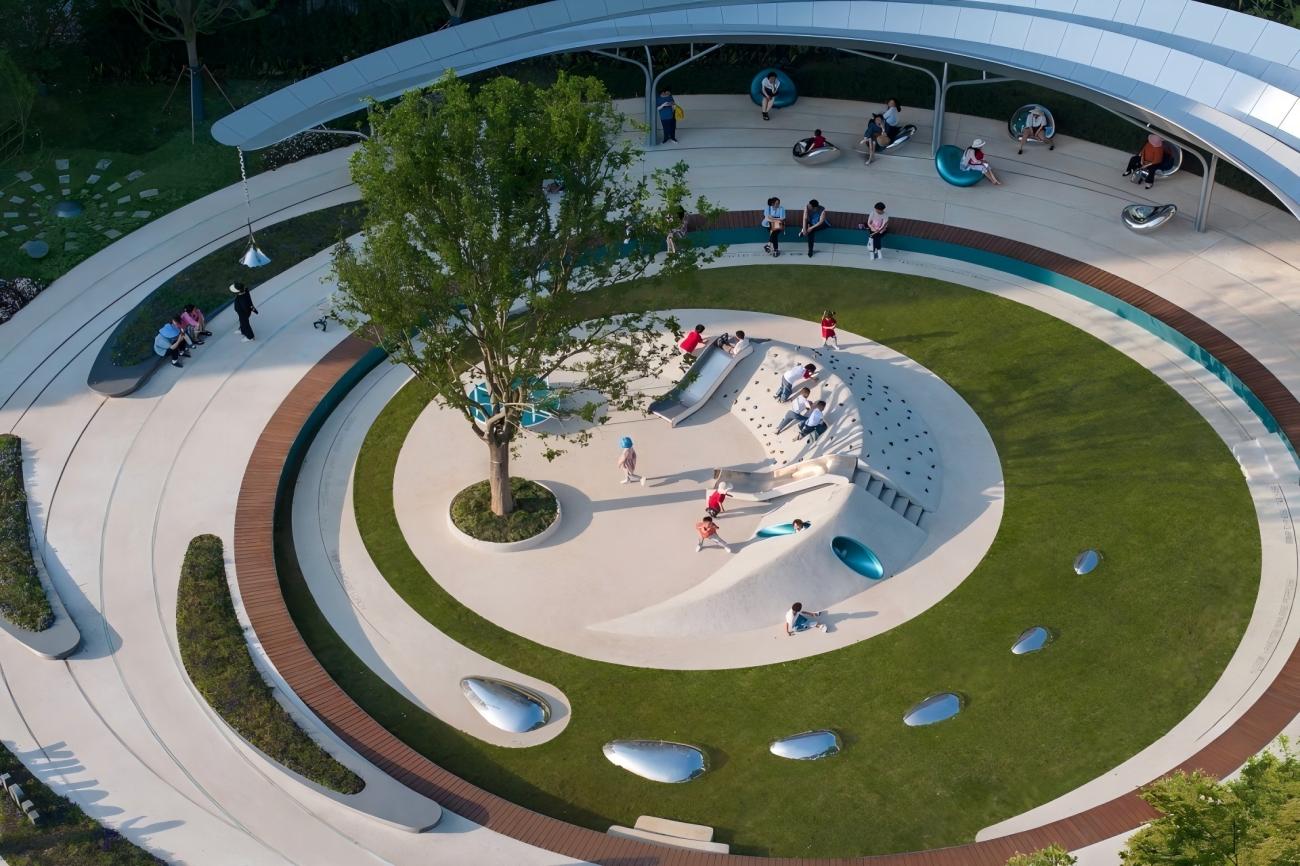
For commercial streets, public plazas, parks and transport waiting areas, whether outdoor public seating is actually used often depends on the available shade. For contractors, this is something worth considering during product selection and early project planning.
1. Direct Sunlight Can Reduce the Actual Use of Outdoor Seating
In hot climates, the first question is whether people can sit comfortably.
- People are less likely to stay for long periods in direct sunlight.
- Metal, stone and other seating surfaces can heat up quickly under strong sun.
- Darker surfaces generally absorb more heat.
- The problem becomes more noticeable around midday and during hot afternoons.
- If the shade does not cover the seating during the main hours of use, the seats may still remain exposed to direct sunlight.
For contractors working on projects in hot and sunny regions, shade should ideally be considered together with street furniture selection and layout, rather than being added after installation.
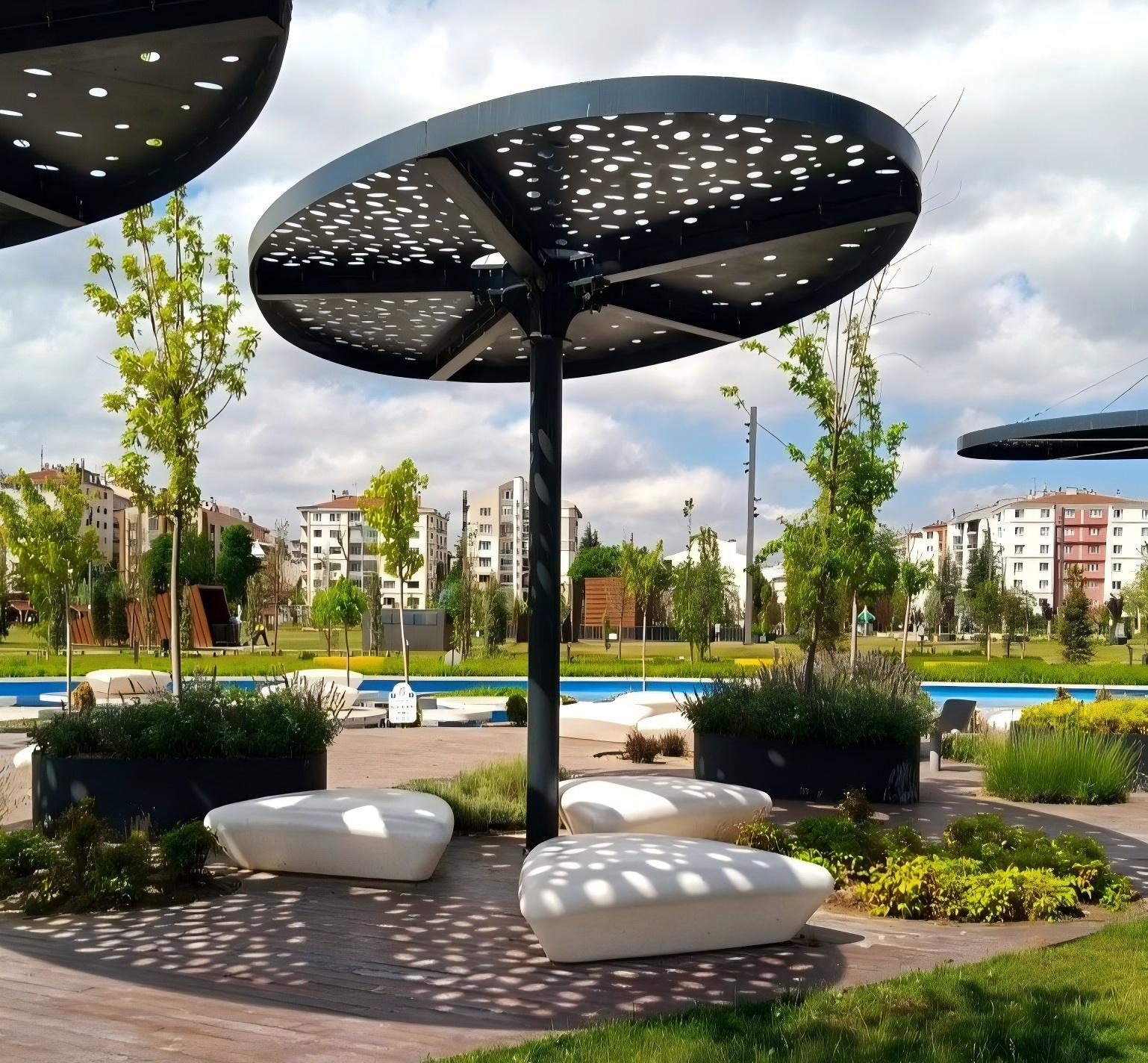
2. Which Areas Should Be Prioritized for Shaded Seating?
For projects with limited budgets or space, it is not always necessary to provide shade for every seat.
It is often more practical to identify the areas where people are most likely to stay for longer periods.
Priority areas may include:
- Main rest areas on commercial streets and public plazas;
- Outdoor waiting areas at hotels and resorts;
- Bus, taxi and other transport waiting areas;
- Seating around children’s activity zones;
- Main resting areas in parks and urban squares;
- Entrances to hospitals, schools and public buildings;
- Waterfront spaces and open pedestrian areas;
- Outdoor dining and social areas.
The longer people are expected to stay, the more important shade usually becomes.
For example, a seat intended for a short five-minute stop has very different requirements from a waiting area where people may remain for 20 minutes or longer.
For contractors, this means the budget for shaded seating can be focused on high-use areas and locations where people are expected to stay longer.
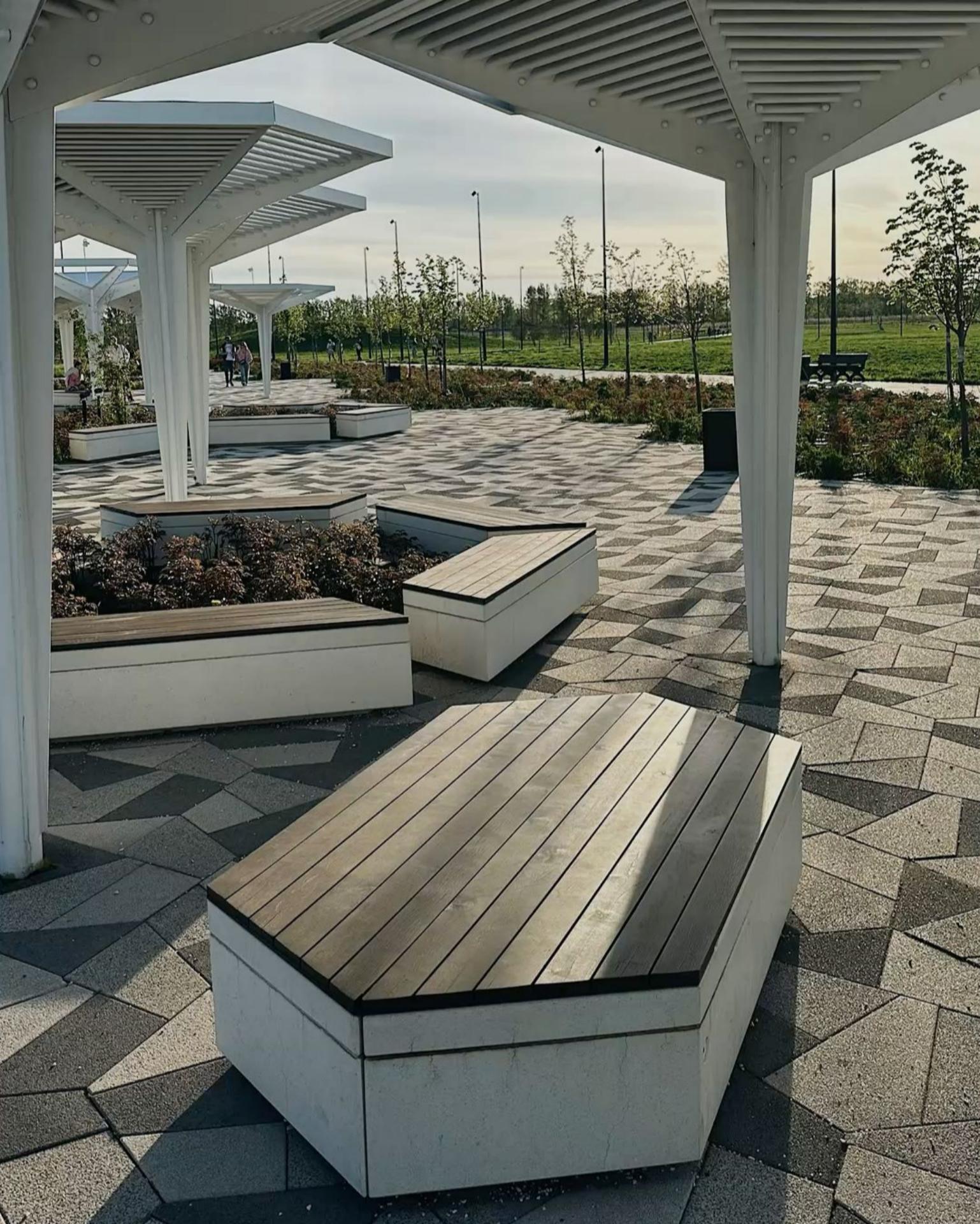
3. Shade Structures Also Need to Consider Wind, Drainage and Maintenance
For contractors, a shade structure should not be evaluated only by how it looks.
Compared with a standard bench, street furniture with integrated shade usually involves more site and structural considerations. Before production and installation, it is important to review:
- Stability in strong-wind conditions;
- Foundation and fixing requirements;
- Rainwater drainage;
- Whether water may collect on the canopy;
- Dust and sand accumulation;
- Weather resistance of surface materials;
- Access to connections and components for inspection or repair;
- Ease of regular cleaning.
This is particularly important for projects in the Middle East and other regions with high temperatures, strong sunlight and frequent dust or sand.
A shade structure that improves comfort but requires difficult or frequent maintenance can create additional problems after project handover.
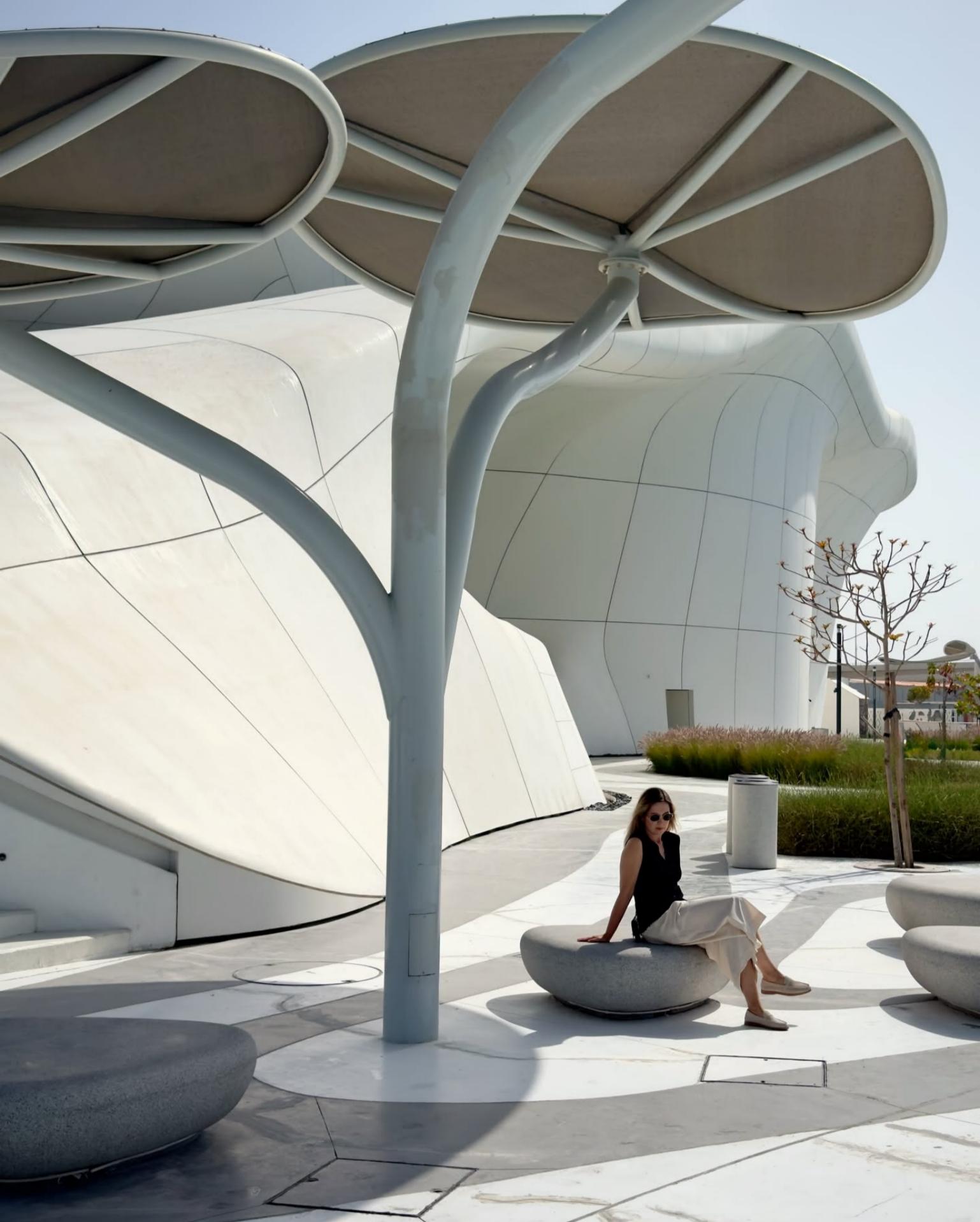
4. Shade Should Be Planned Together with the Seating
If a project requires shaded seating, it is usually better to consider the seating and the shade structure together from the beginning rather than adding a canopy after a standard bench has already been selected.
Early coordination makes it easier to confirm:
- Overall dimensions of the seating and shade structure;
- Foundation and fixing methods;
- Transportation and lifting conditions;
- Actual shade coverage;
- Coordination with paving and landscaping;
- Whether lighting or power is required;
- Whether the product needs to be shipped in sections and assembled on site.
For contractors, confirming these conditions early can help reduce later changes on site.
5. Choose the Right Shade Solution for the Project
Different public spaces may require different approaches to shade.
Common options include:
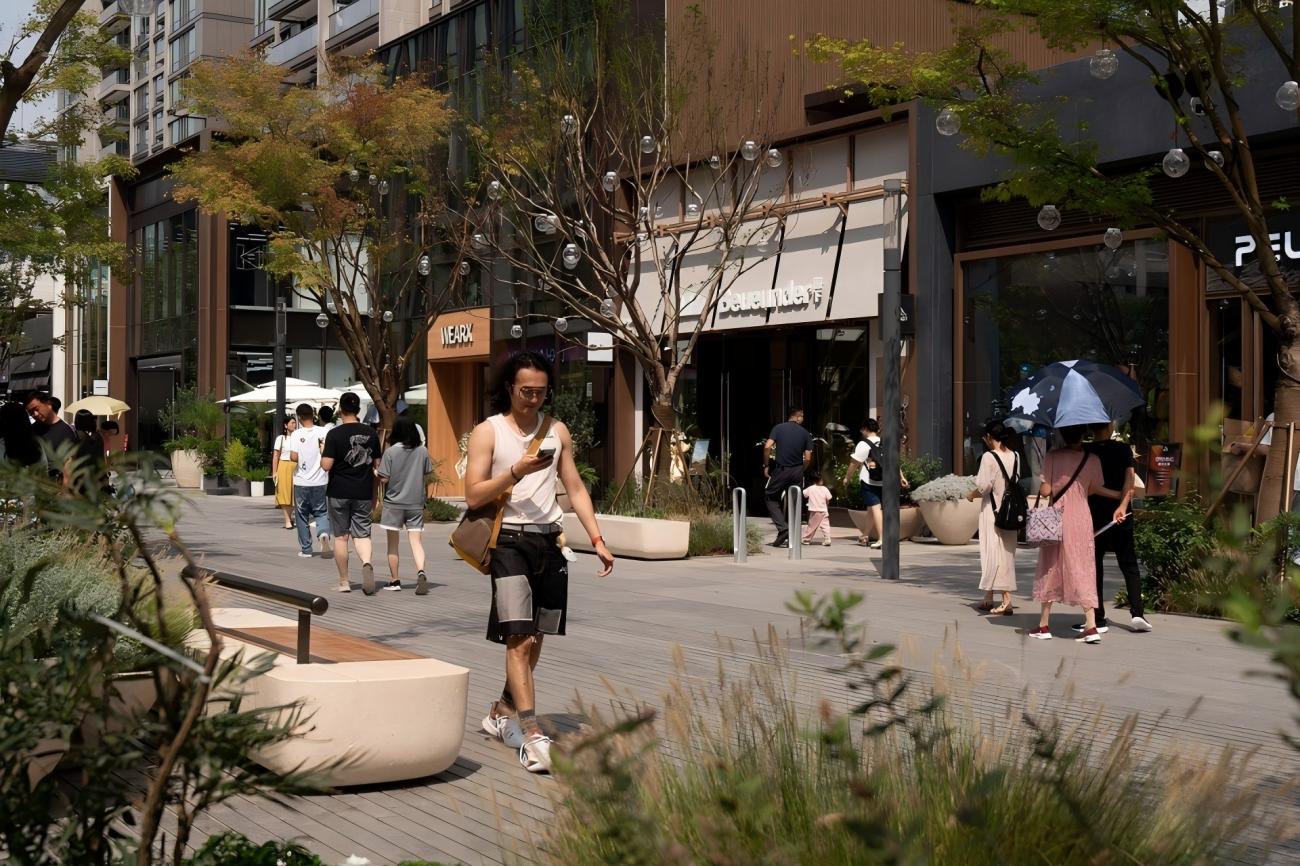
- Using trees to provide natural shade;
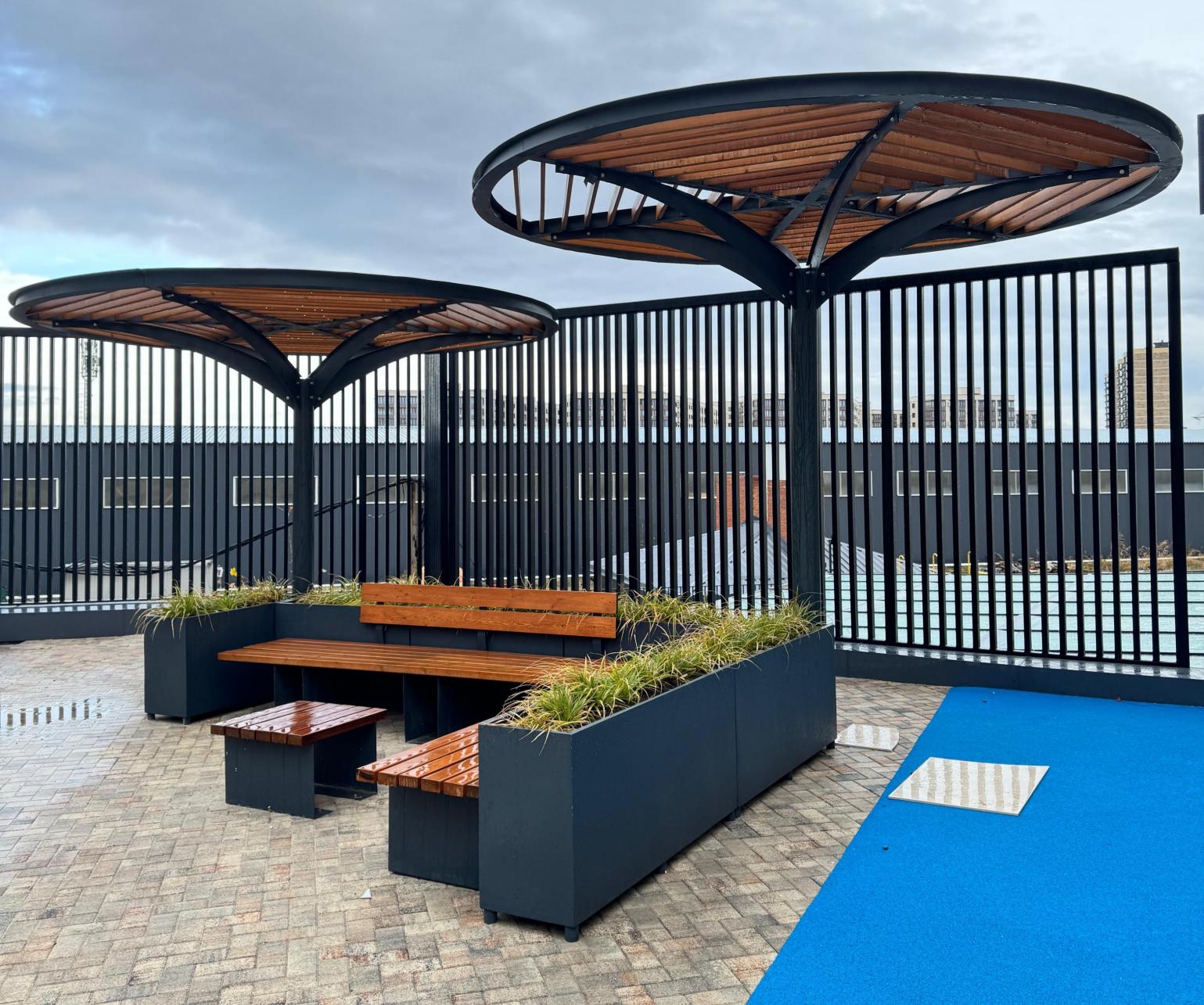
- Installing a freestanding canopy or pergola;
- Using benches with integrated shade structures;
- Combining seating, planters and shade within one street furniture system.
For custom projects, shade can also be integrated with other street furniture functions such as lighting, planters, charging points or signage. This can help create a more coordinated solution in both function and appearance.
Conclusion
For contractors, shade is best considered during the early street furniture planning and product development stage, rather than added after the project is already complete.
Urban Furniture can provide shaded seating, integrated street furniture solutions, custom design, manufacturing and installation support based on site conditions, climate and project requirements.