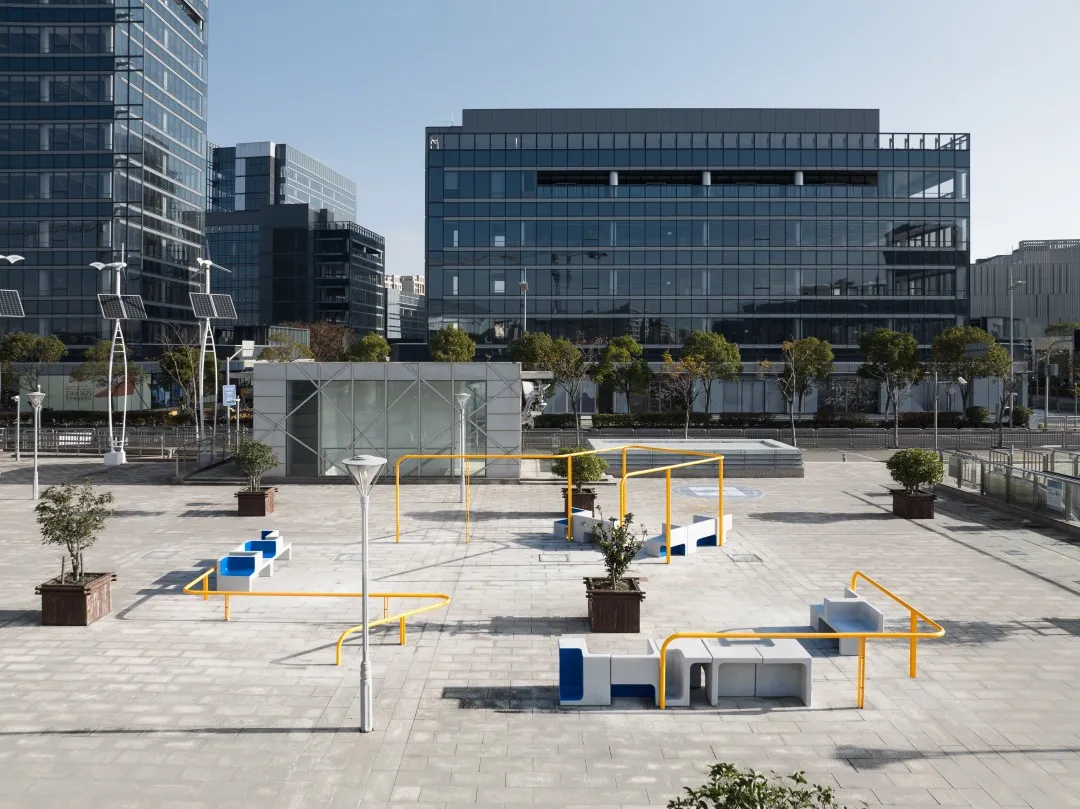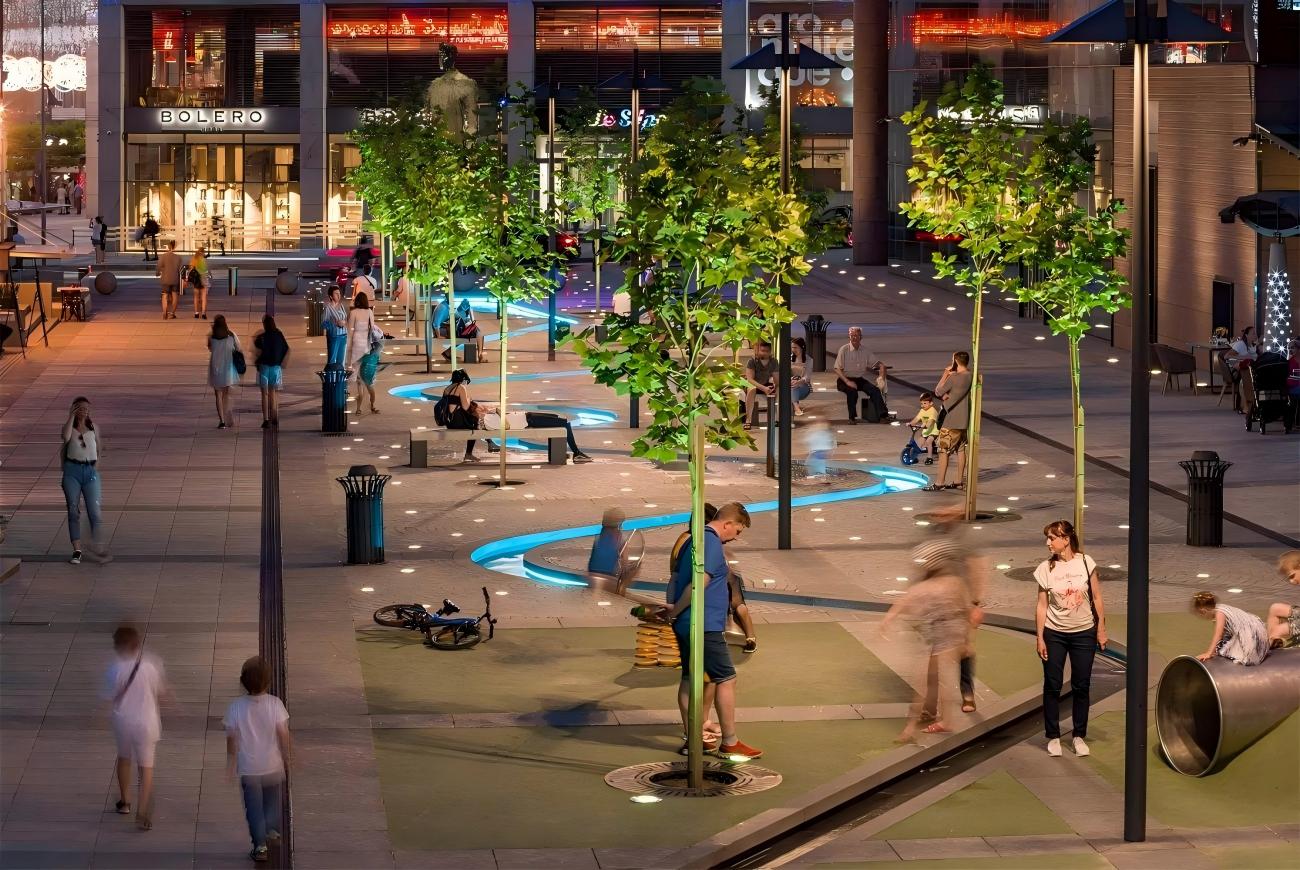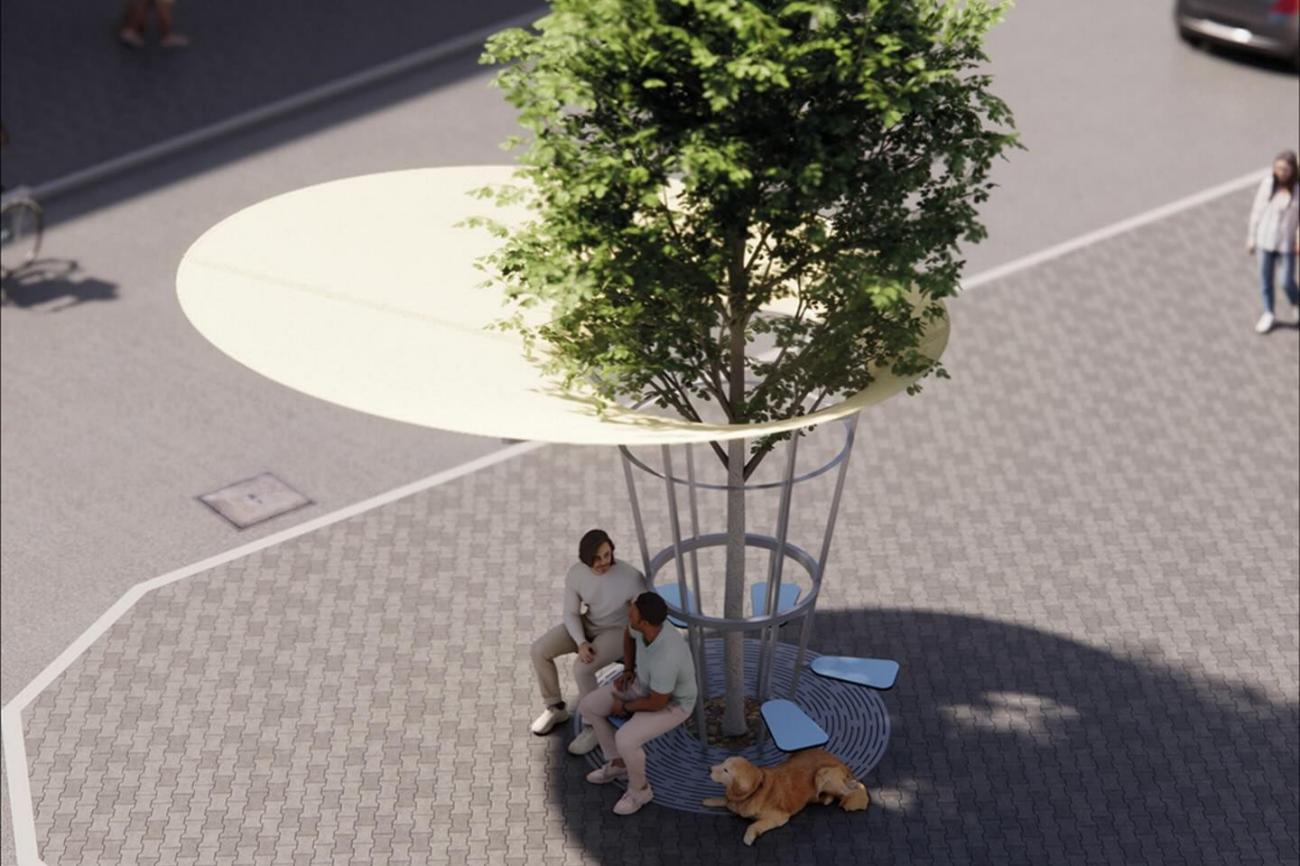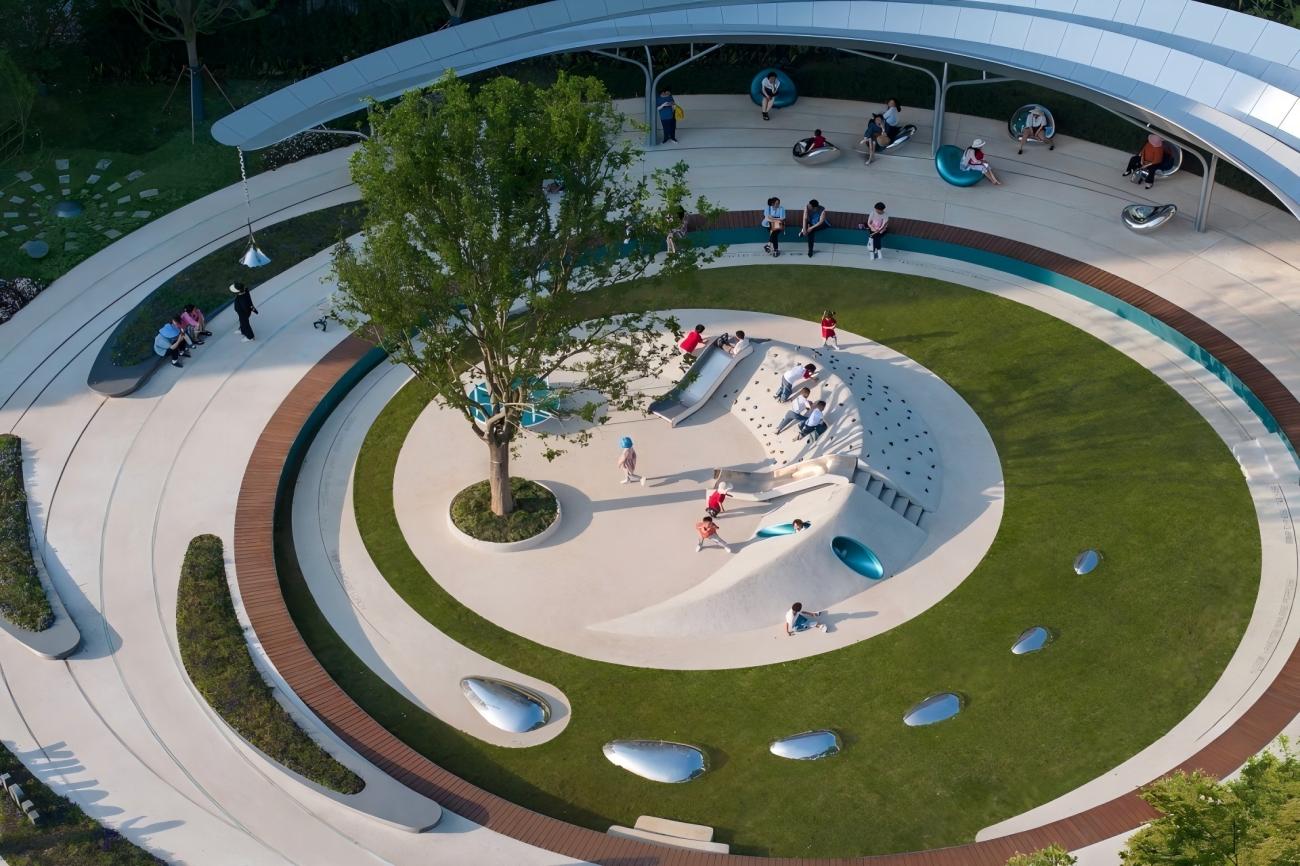
Why is urban furniture planning more than choosing benches and bins?
Urban furniture is not just what we place in a public space.
It is how we help the space work better.
Benches, bins, planters, bollards and signs may look like separate products. But in a real project, they affect how people move, stop, rest and use the space every day.
That is why urban furniture planning should not start from a product catalog. It should start from the space itself.
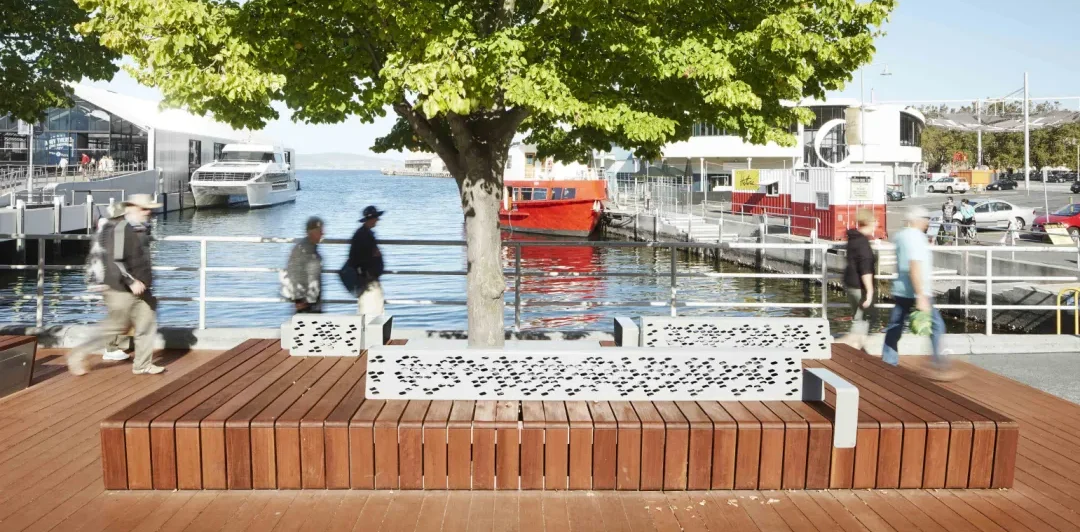
1.Good planning starts with people
Urban furniture should be planned around how people use the space.
A park may need comfortable resting areas.
A commercial street may need short-stay seating and clean public areas.
A campus may need safe and simple furniture.
A resort may need pieces that fit naturally into the landscape.
The same bench will not work the same way everywhere.
Before choosing products, it is better to ask:
- Where do people stop?
- Where do they need rest?
- Which areas need clear movement?
- What kind of use happens every day?
When these questions are clear, furniture becomes part of the space, not just something added later.
2.The whole space should feel connected
A space can still look messy even when every product looks good on its own.
This often happens when benches, bins, planters and signs are chosen separately. The materials, colors, shapes or finishes may not match, so the whole space feels unfinished.
Urban furniture does not need to look exactly the same, but it should feel like it belongs together.
A good plan helps create a cleaner, more complete and more professional outdoor space.
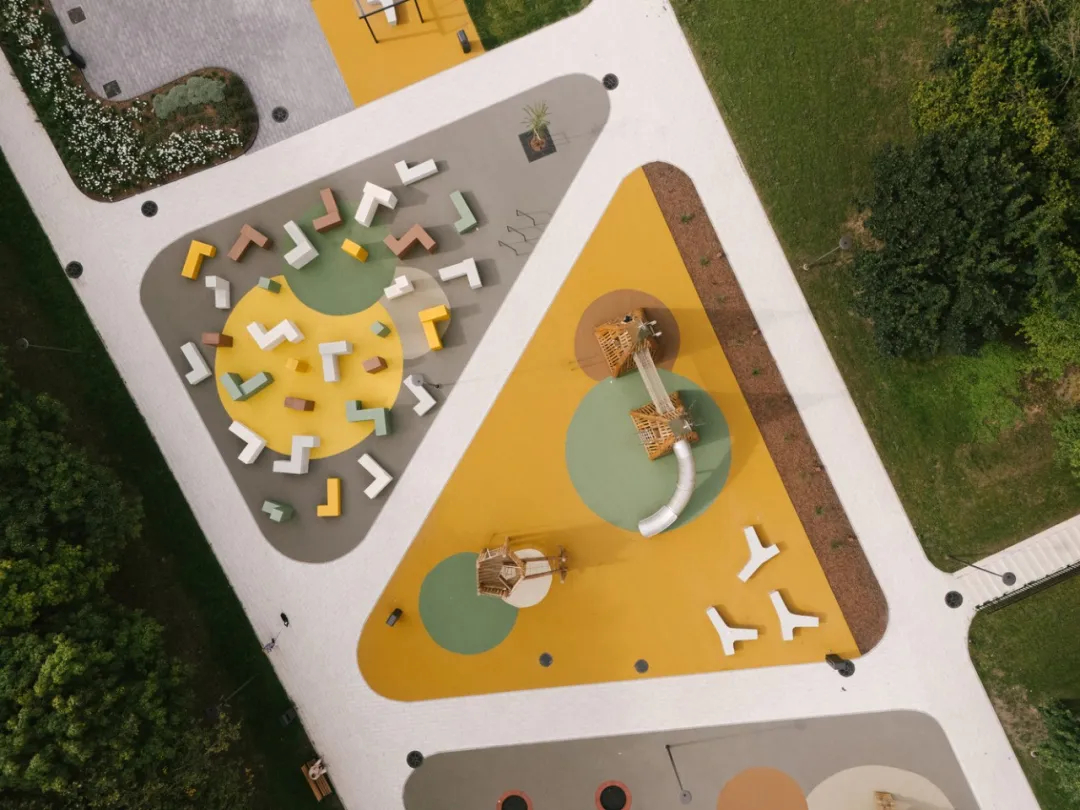
3.Placement matters as much as the product
A good bench in the wrong place is still a poor experience.
If it faces nothing, sits under strong sun, blocks movement or feels too exposed, people may not use it.
The same applies to other furniture.
A bin should be easy to find.
A planter can guide people naturally.
A bollard can protect a walkway without making the space feel crowded.
Good placement makes a space easier and more comfortable to use.
4.Different spaces need different furniture logic
Urban furniture should respond to the real project environment.
A waterfront area may need stronger weather resistance.
A busy street may need durable and easy-to-clean materials.
A shopping area may need furniture that supports staying and social activity.
A park may need comfort, shade and long-term durability.
Good planning considers:
- Climate
- Foot traffic
- Safety
- Cleaning
- Maintenance
- Visual style
- Future expansion
This helps avoid choosing products that look good in pictures but do not work well on site. Classic human mistake, nicely avoidable.
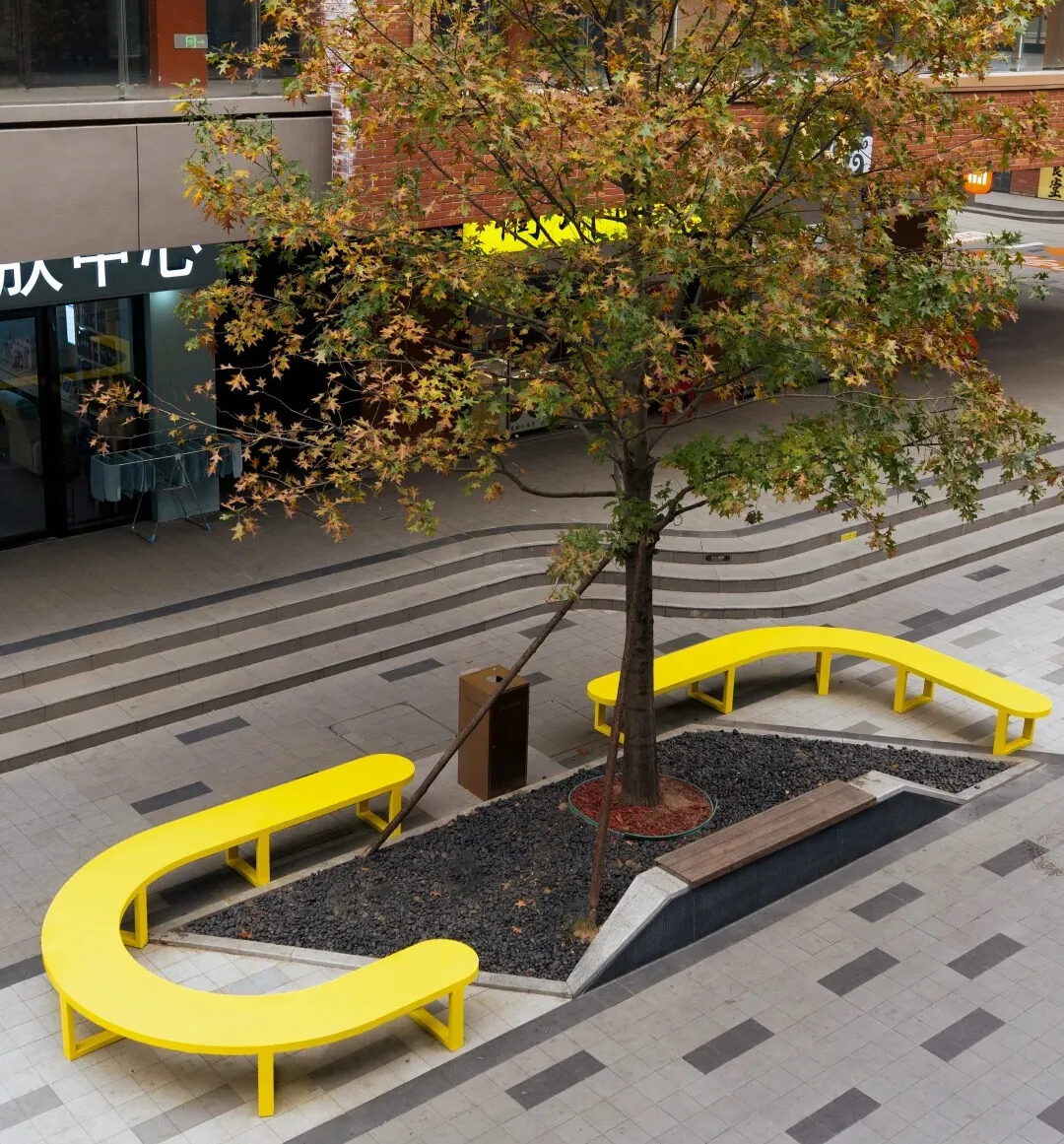
5.Maintenance should be considered early
Outdoor furniture is used every day, often by many people.
So the question is not only whether it looks good.
It is also whether it can keep working well after years of use.
A good furniture plan considers fixing methods, cleaning needs, replaceable parts, material performance and future supply.
These details may seem small at the beginning, but they affect the long-term quality and cost of the project.
conclusion
Urban furniture planning is more than choosing benches and bins. It is about making every piece work together, so the outdoor space feels organized, comfortable and easy to use.
UrbanFurniture provides project-based urban furniture solutions, from planning and customization to production and project coordination. Contact us to discuss your project needs.