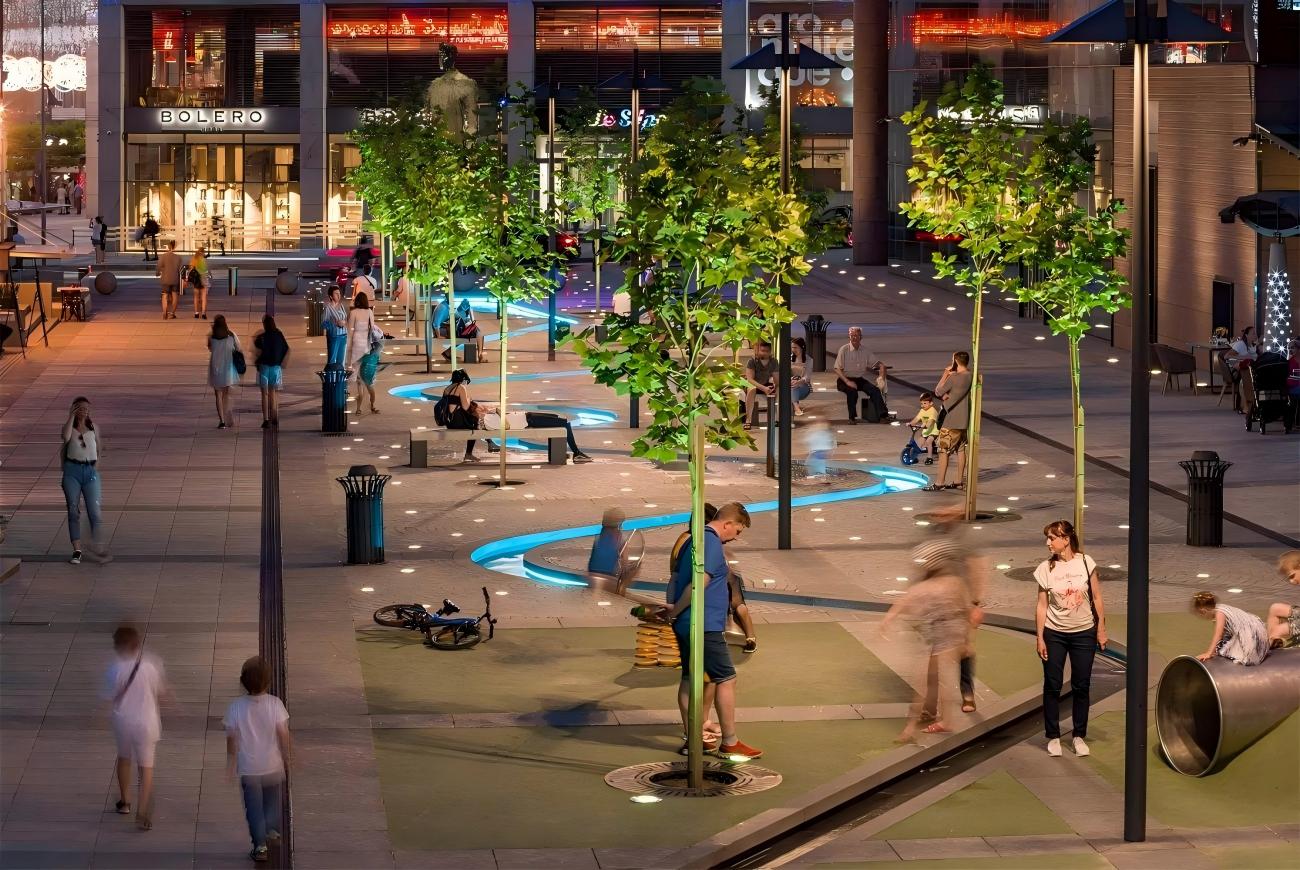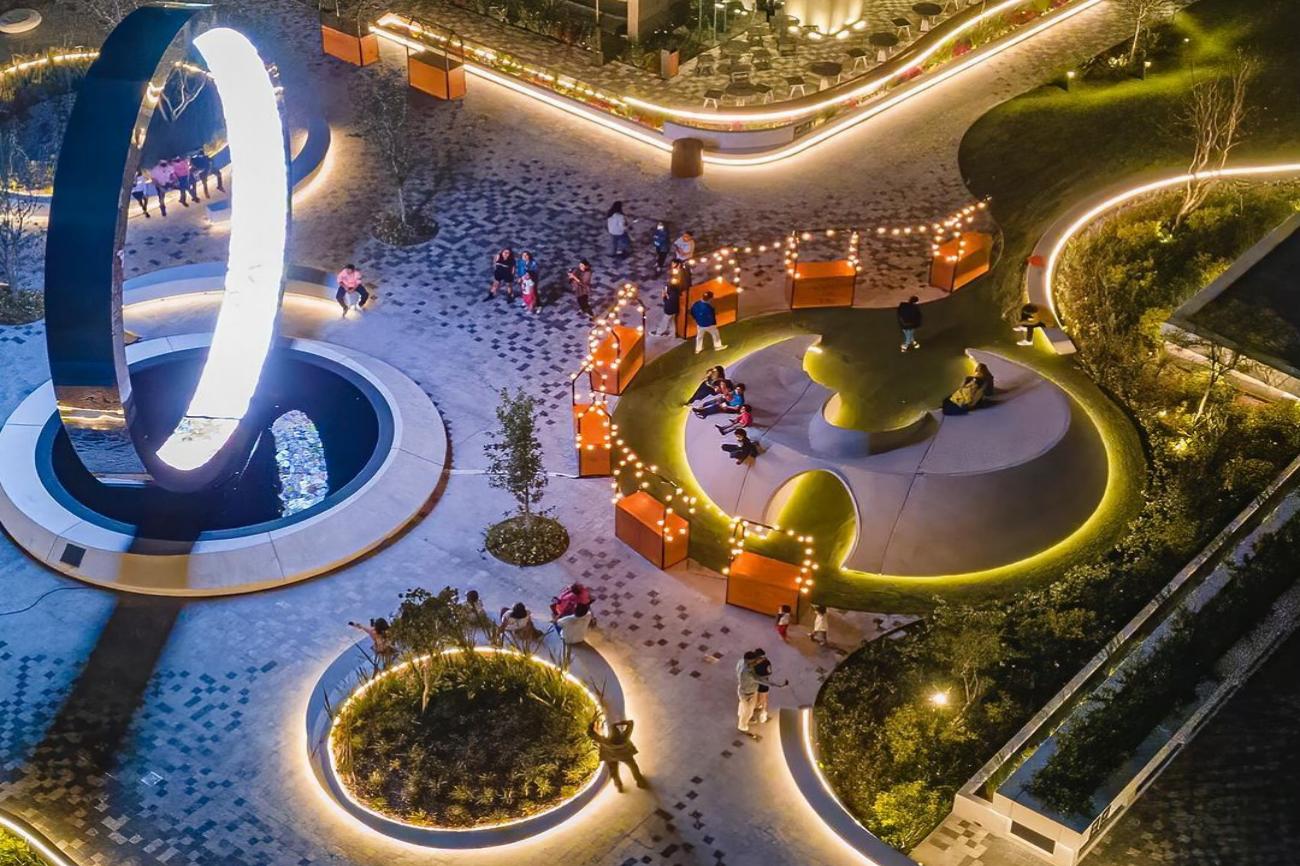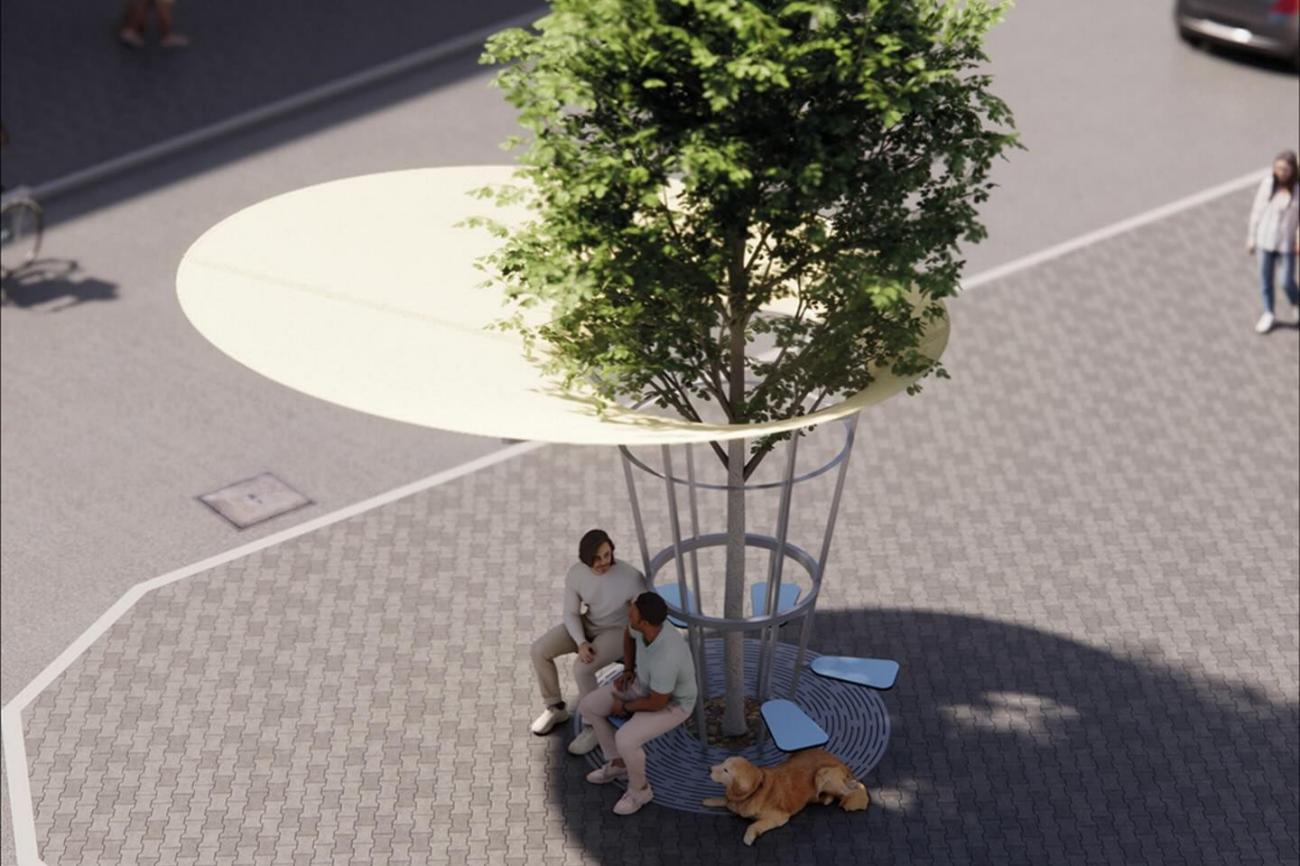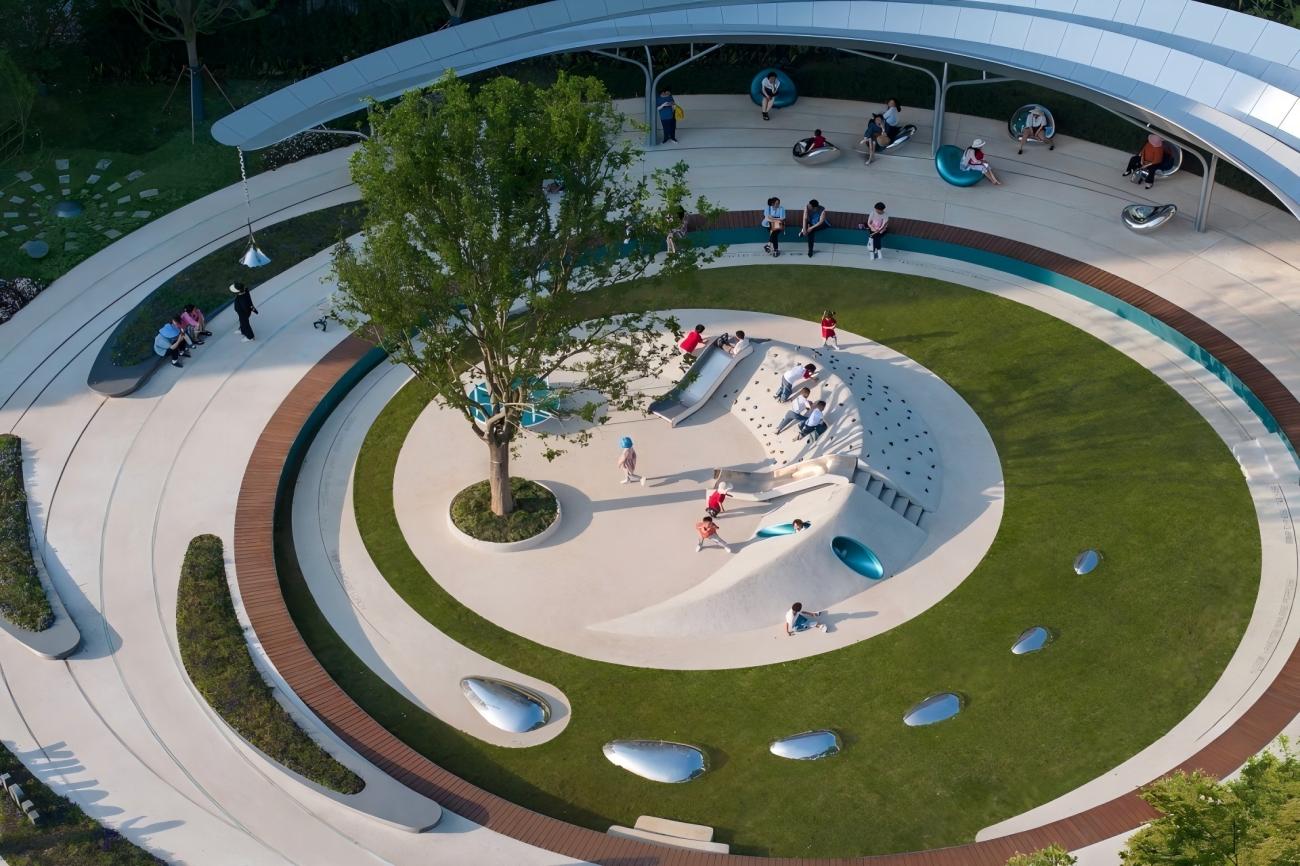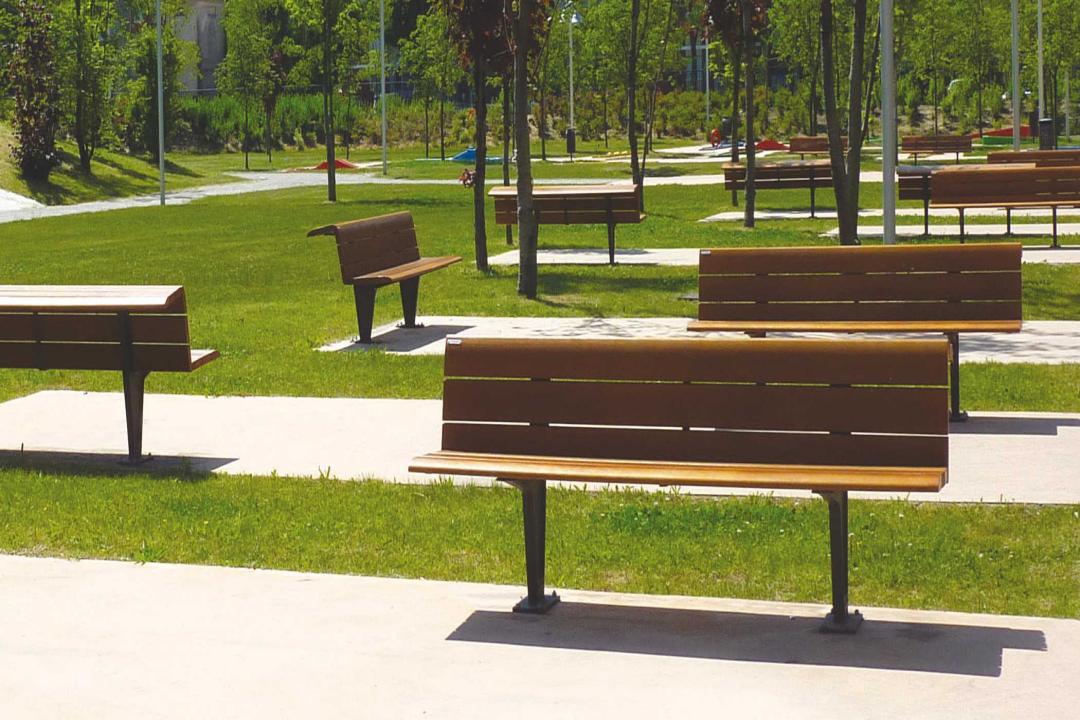
In urban furniture projects, a common issue is that the final installed result differs from the original design concept.
Such deviations not only affect visual presentation, but can also impact the overall quality of the project. In essence, this is rarely caused by a single factor—it is usually the combined result of design, materials, production, and installation processes.
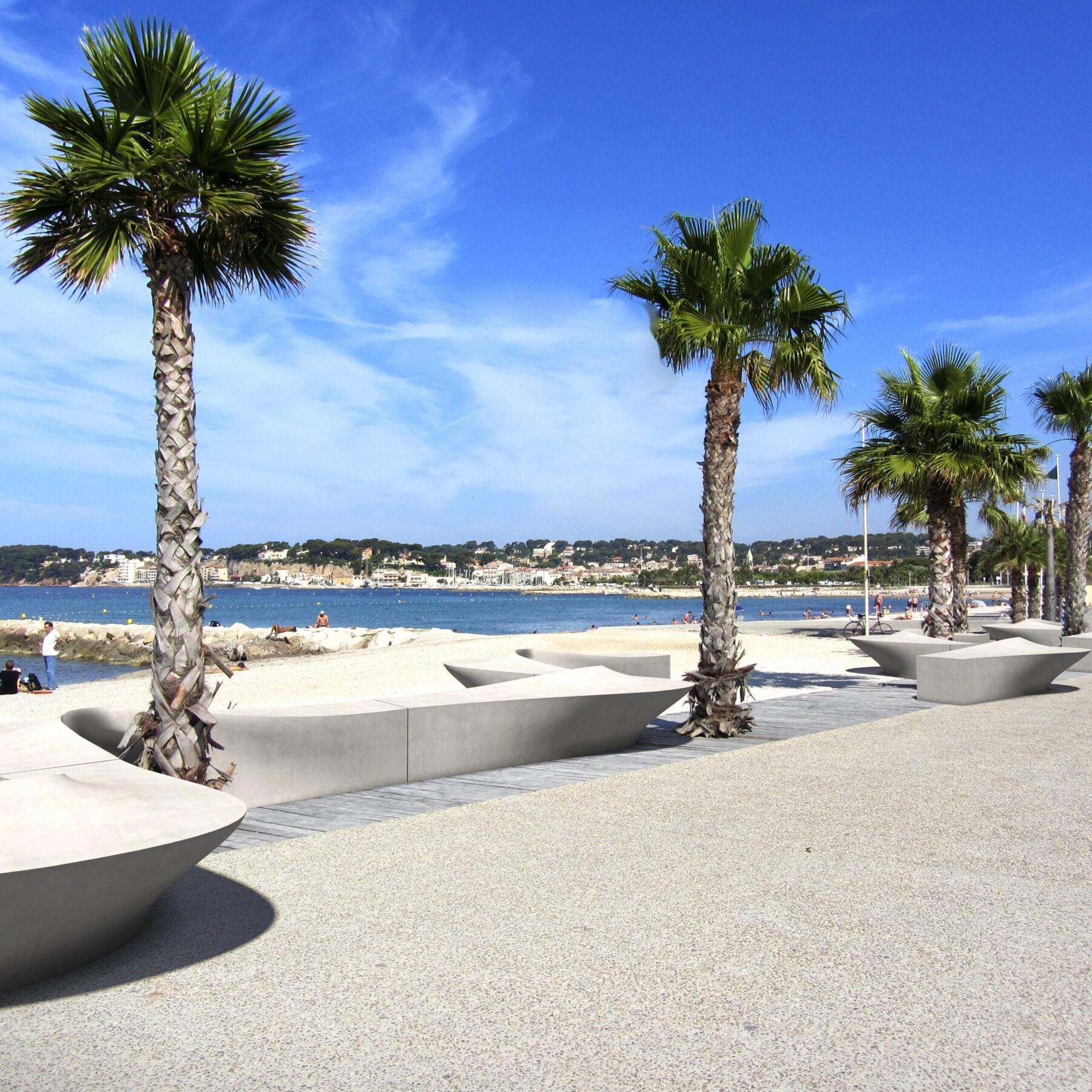
1. Lack of Coordination Between Design and Execution
Common Issues:
- Designs focus heavily on visual impact without considering practical fabrication methods
- Continuous adjustments are required during implementation
Our Approach:
- Close collaboration between the design team and factory throughout the project
- Structural and manufacturing feasibility evaluated during the design stage
- Optimization of details without compromising the original design intent
2. Mismatch Between Materials and Design Expectations
Common Issues:
- Selected materials cannot accurately reproduce design details
- Final texture or color differs from expectations
Our Approach:
- Select suitable materials such as GRC or metal according to the intended visual effect
- Consider material performance during the design phase
- Anticipate how materials will age and perform under long-term environmental exposure
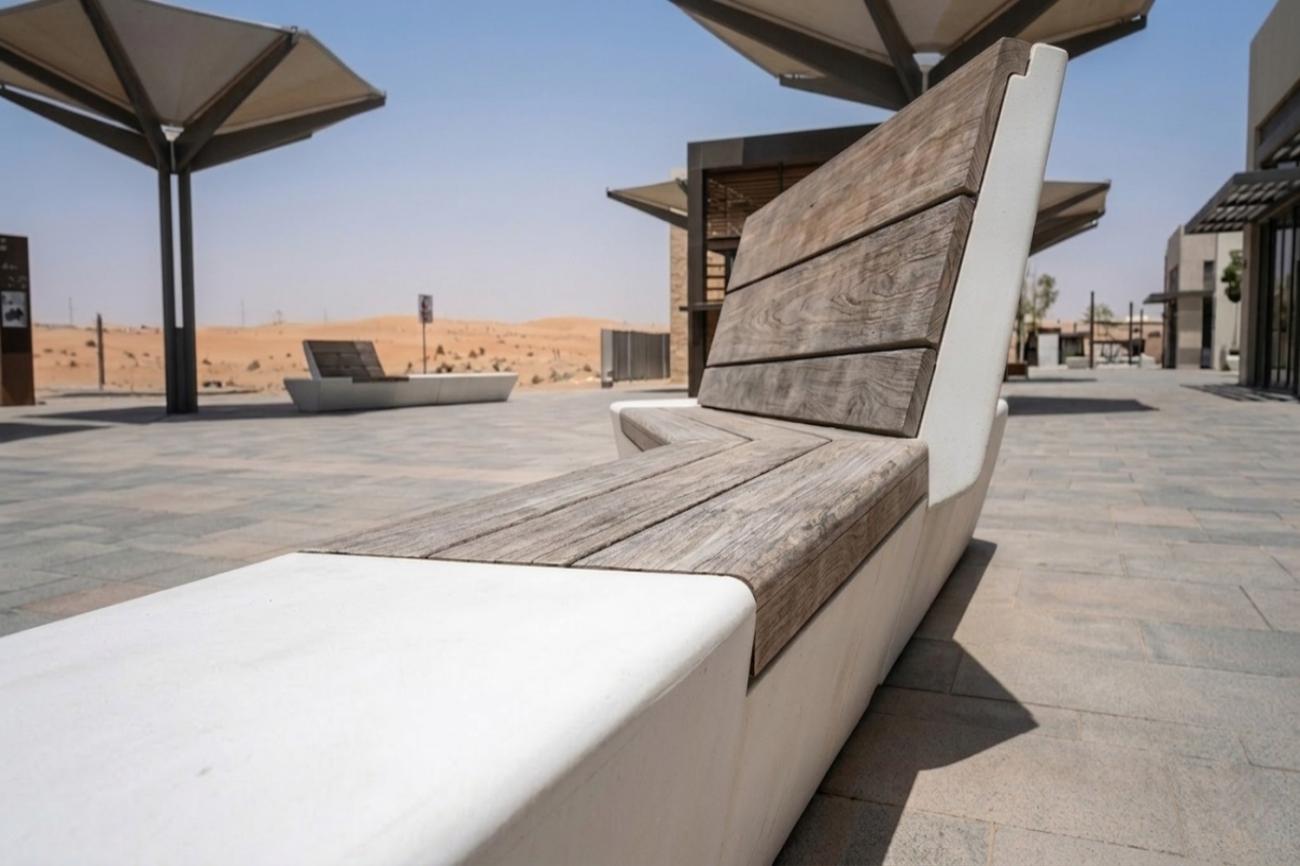
3. Insufficient Consideration of the Site Environment
Common Issues:
- Scale and proportions do not fit the actual space
- Furniture does not integrate well with surrounding architecture or landscape
Our Approach:
- Optimize dimensions and proportions based on the real project site
- Adjust details according to architectural and landscape conditions
- Ensure visual consistency throughout the environment
4. Production Control and Pre-delivery Verification
Common Issues:
- Surface finishes differ from the original design
- Problems are only discovered after on-site installation
Our Approach:
- Conduct quality inspections at key stages, including dimensions and surface finishing
- Provide samples or small-batch confirmations before mass production
- Perform pre-assembly before shipment
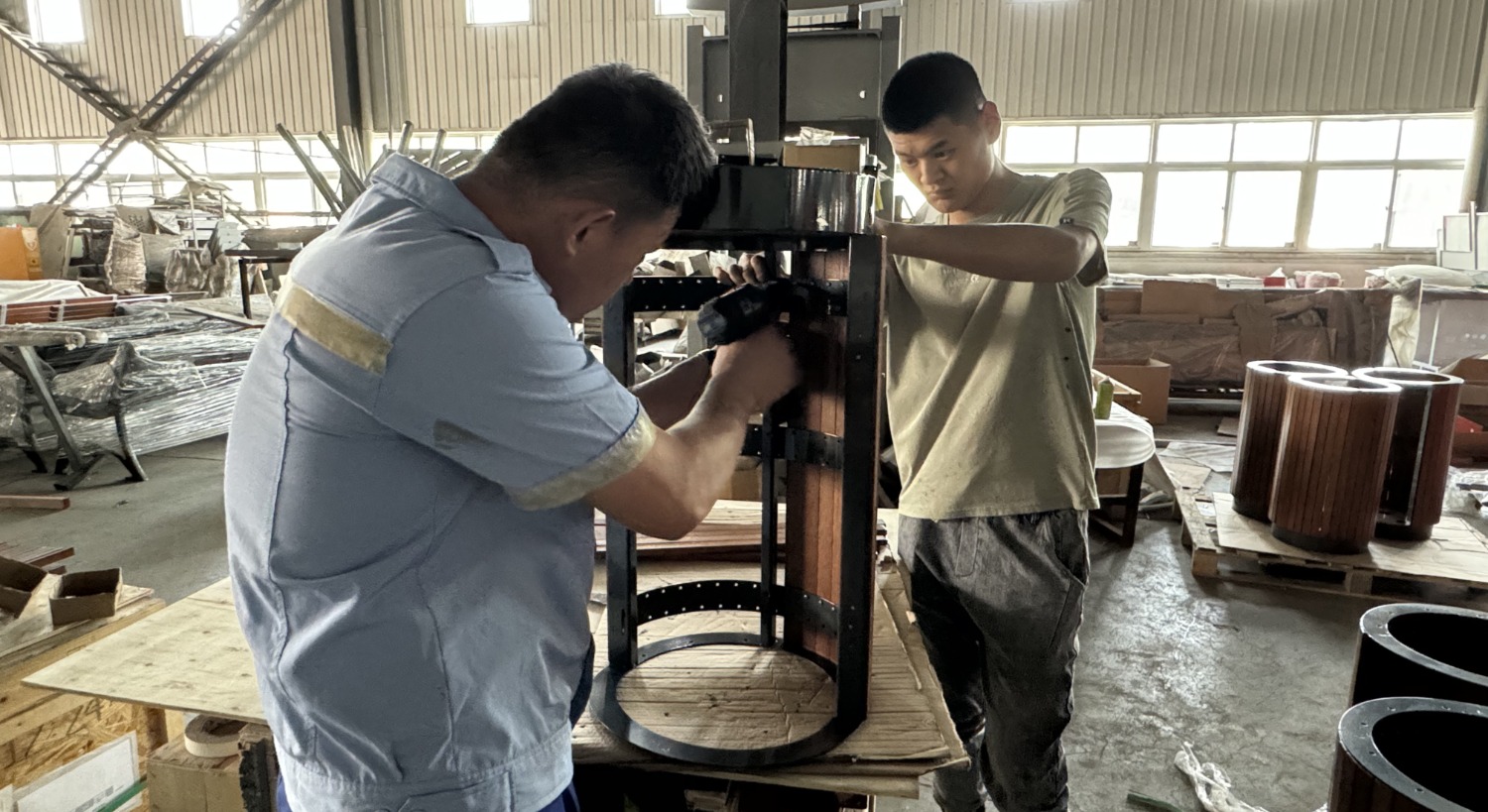
5. Installation Methods Affect the Final Result
Common Issues:
- Improper installation methods
- On-site modifications negatively impacting the overall appearance
Our Approach:
- Consider installation methods during the design stage
- Provide installation guidance and technical support
- Ensure the final installed result closely matches the original design intent
Conclusion
Differences between urban furniture concepts and final installations are usually not caused by a single issue, but by multiple stages lacking coordination. Through integrated control of design, materials, production, and installation, the final execution quality can be significantly improved.
In real-world projects, Urban Furniture manages key processes from the very beginning through early-stage planning, coordinated design and manufacturing, and integrated project management services. Each project is supported by a dedicated team that oversees every step—from design to delivery—ensuring the entire process remains controllable, efficient, and fully executable.