Compared with parks, communities and other general public spaces, commercial streets usually have higher pedestrian flow, more diverse usage scenarios and more complex spatial requirements.
A suitable commercial street bench needs to consider more than just appearance. It should meet different user needs while fitting into the overall commercial environment, landscape design and spatial planning.
1. Comfortable Seating for Different Users
Designed for Different User Needs
Commercial street benches are used by different groups of people, including:
- People taking a short break after shopping;
- Visitors waiting for friends or family;
- Elderly people and children;
- Users who need longer resting periods.
Therefore, commercial street benches need to consider ergonomic design, rather than focusing only on appearance.
Important design considerations include:
- Suitable seat height;
- Comfortable seat depth;
- Whether a backrest is needed;
- Whether armrests are required;
- The balance between individual seating and group seating.
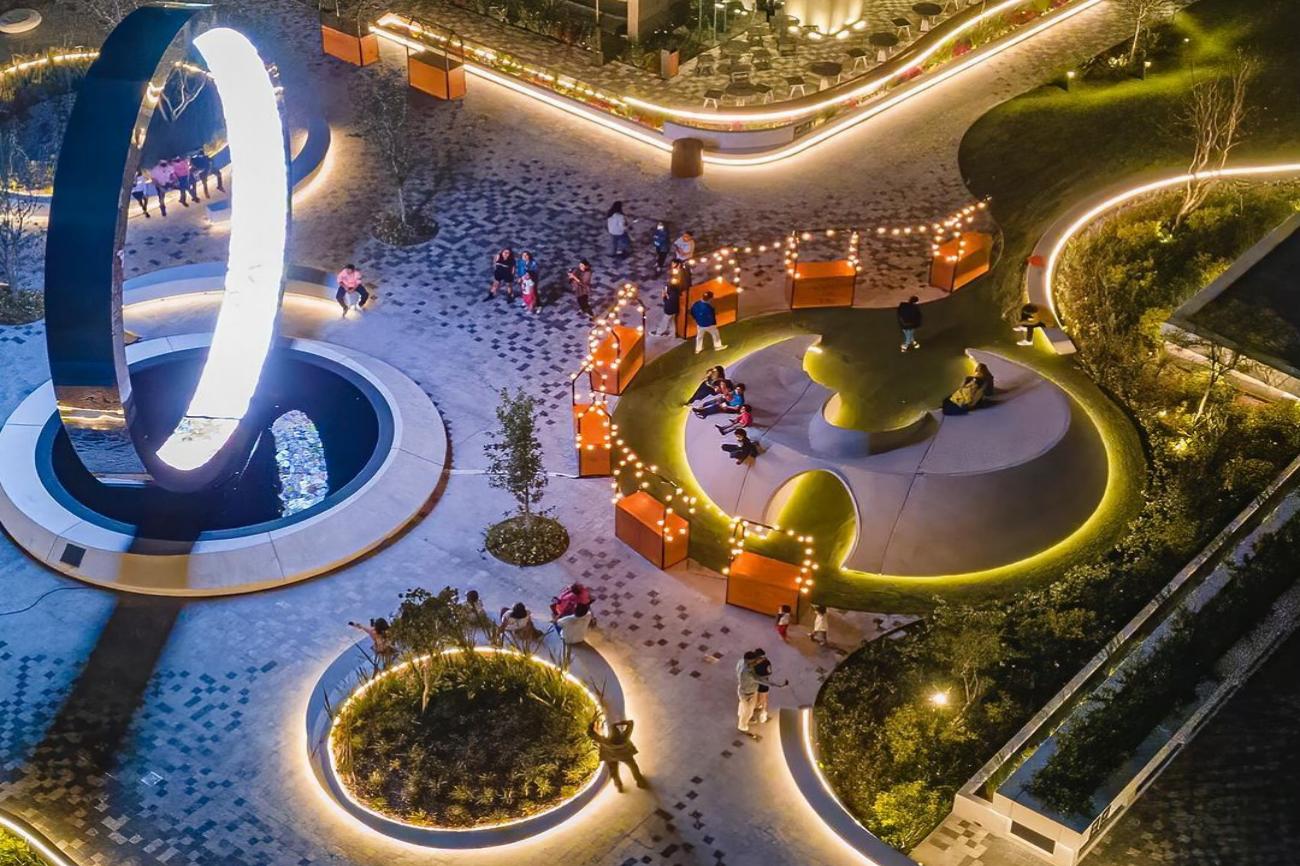
For example, a bench designed for a quick rest may have different requirements from a seating area intended for longer stays.
For commercial projects, benches should support different types of use instead of serving only one specific situation.
2. Designed for High-Frequency Public Use
Built for Frequent Daily Use
One of the biggest differences between commercial street benches and furniture used in private spaces is the need to handle frequent public use.
Every day, commercial street benches may be used by:
- Pedestrians;
- Visitors;
- Families;
- Elderly people and children;
- People attending outdoor activities.
Therefore, commercial street benches should consider:
- Stable structural design;
- Long-term durability;
- Different usage behaviors;
- Suitable material selection for public environments.
Especially in shopping center outdoor areas, commercial streets and urban plazas, benches need to provide not only an attractive appearance but also reliable performance for long-term public use.
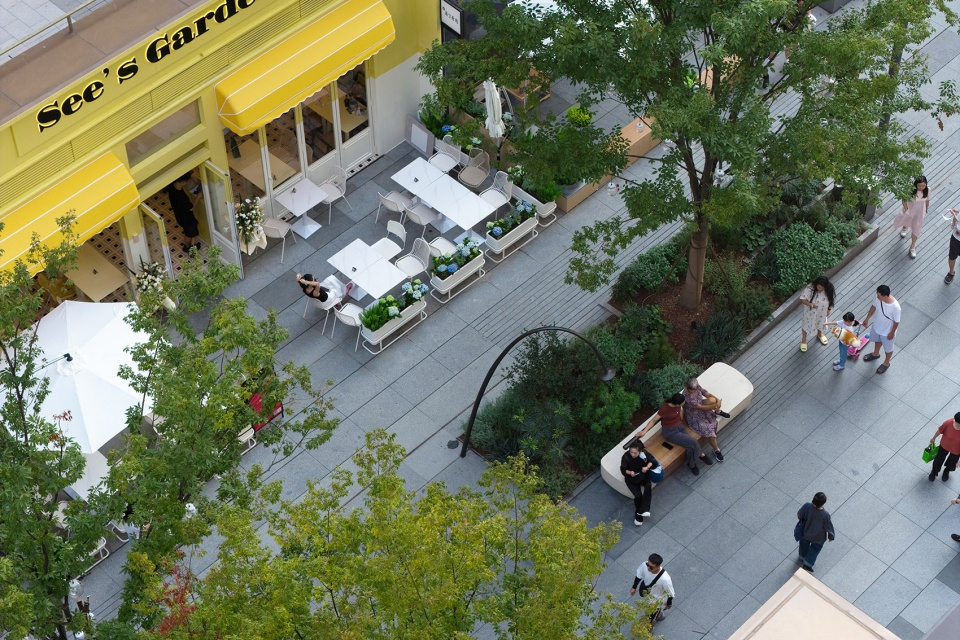
3. Fits Commercial Street Layout and Customer Flow
Integrated with Commercial Street Planning
Commercial street benches are not independent products. They are part of the overall public space.
When planning bench locations, projects should consider:
- Whether they affect main pedestrian routes;
- Whether they are placed near shop entrances;
- Whether they block storefront views or commercial visibility;
- Whether they provide convenient resting areas;
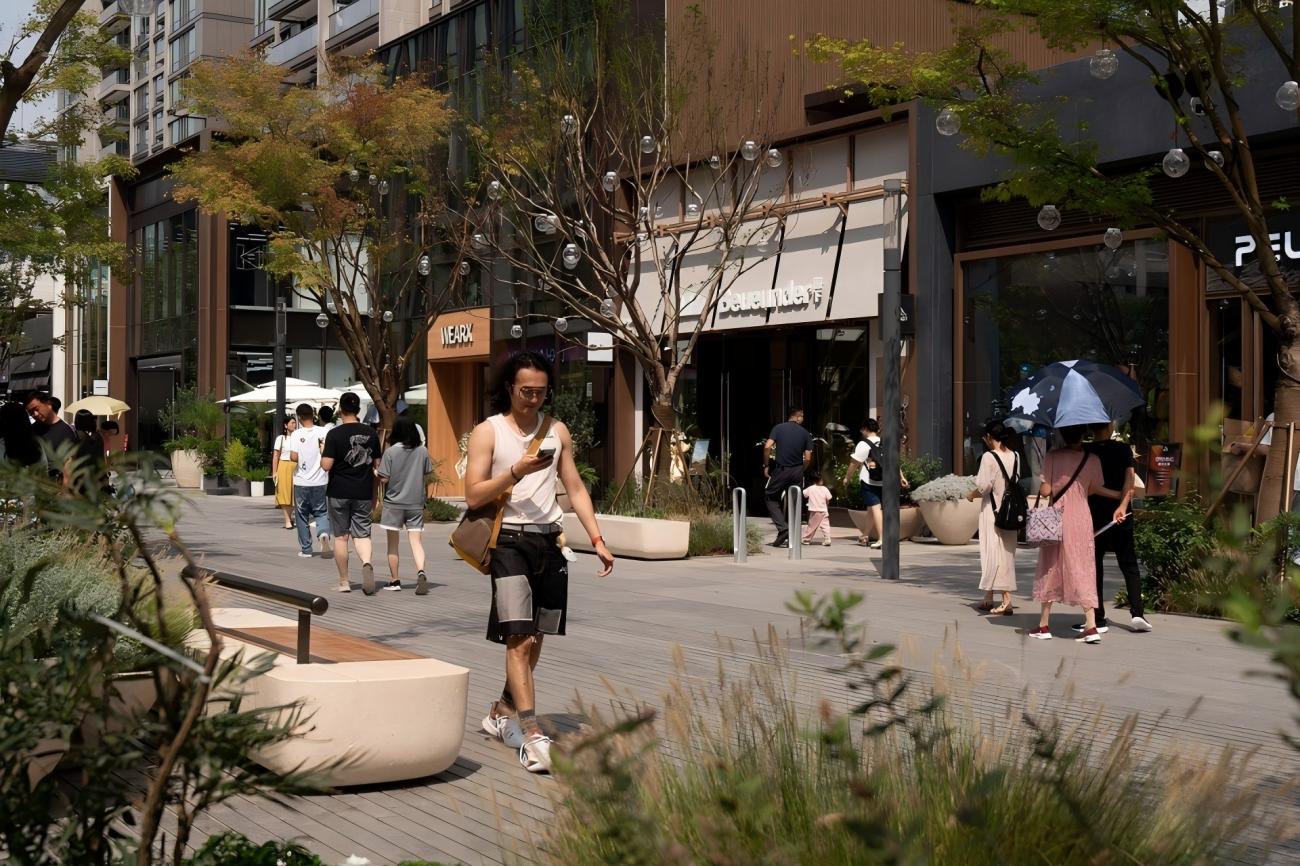
- Whether they coordinate with planters, waste bins, signage and other street furniture.
For example, benches near shop entrances usually need to avoid interrupting customer flow, while benches in central areas may focus more on longer stays and social interaction.
For contractors, bench placement and product combinations should be considered during the early planning stage instead of being adjusted after installation.
4. Supports Longer Customer Stay
Creating a Better Commercial Space Experience
Commercial street benches do not only provide seating. They can also influence how people interact with and stay in a space.
Well-planned seating areas can help:
- Create more resting spaces;
- Provide areas for communication;
- Improve the overall commercial experience;
- Encourage people to stay longer.
Typical locations include:
- Outdoor dining areas;
- Commercial plaza resting zones;
- Event areas;
- Shopping center entrance spaces.
In these locations, benches are not only about providing a place to sit. They also help create a more comfortable and attractive environment.
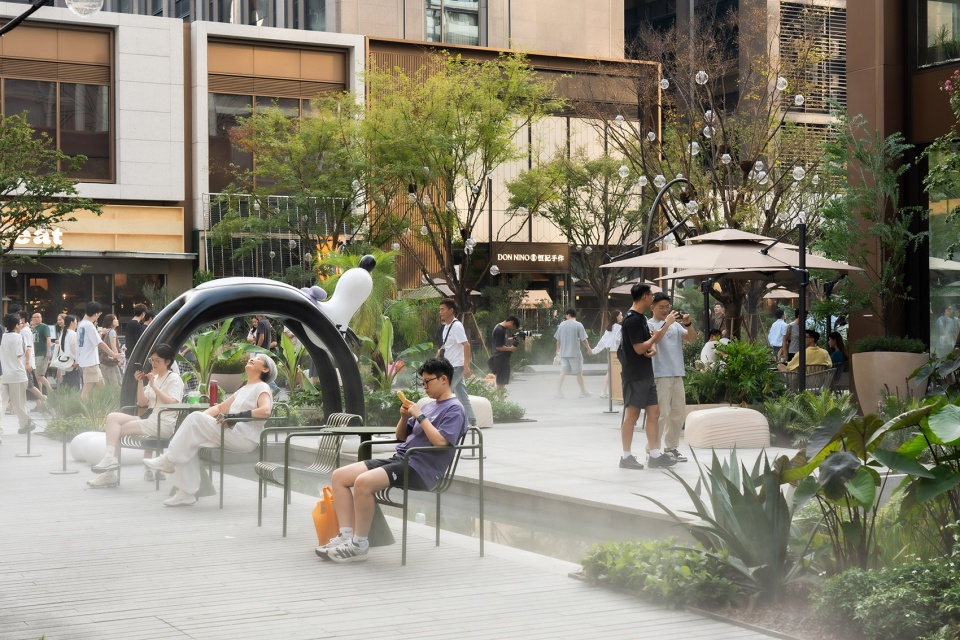
5. Matches the Identity of the Commercial Space
Coordinating with the Overall Commercial Environment
Commercial streets usually have their own positioning and visual identity.
For example:
- Luxury shopping streets;
- Mixed-use developments;
- Hotel commercial areas;
- Cultural districts.
Therefore, street furniture should match the overall environment.
Design considerations may include:
- Product style;
- Material selection;
- Color coordination;
- Surface finish;
- Relationship with architecture and landscape elements.
A well-designed commercial street bench can provide functionality while also becoming part of the visual experience of the space.
6. Can Be Customized for Different Commercial Projects
Customized Solutions for Different Project Needs
Different commercial projects have different requirements for street benches.
For example:
- Commercial streets may require more modular seating combinations;
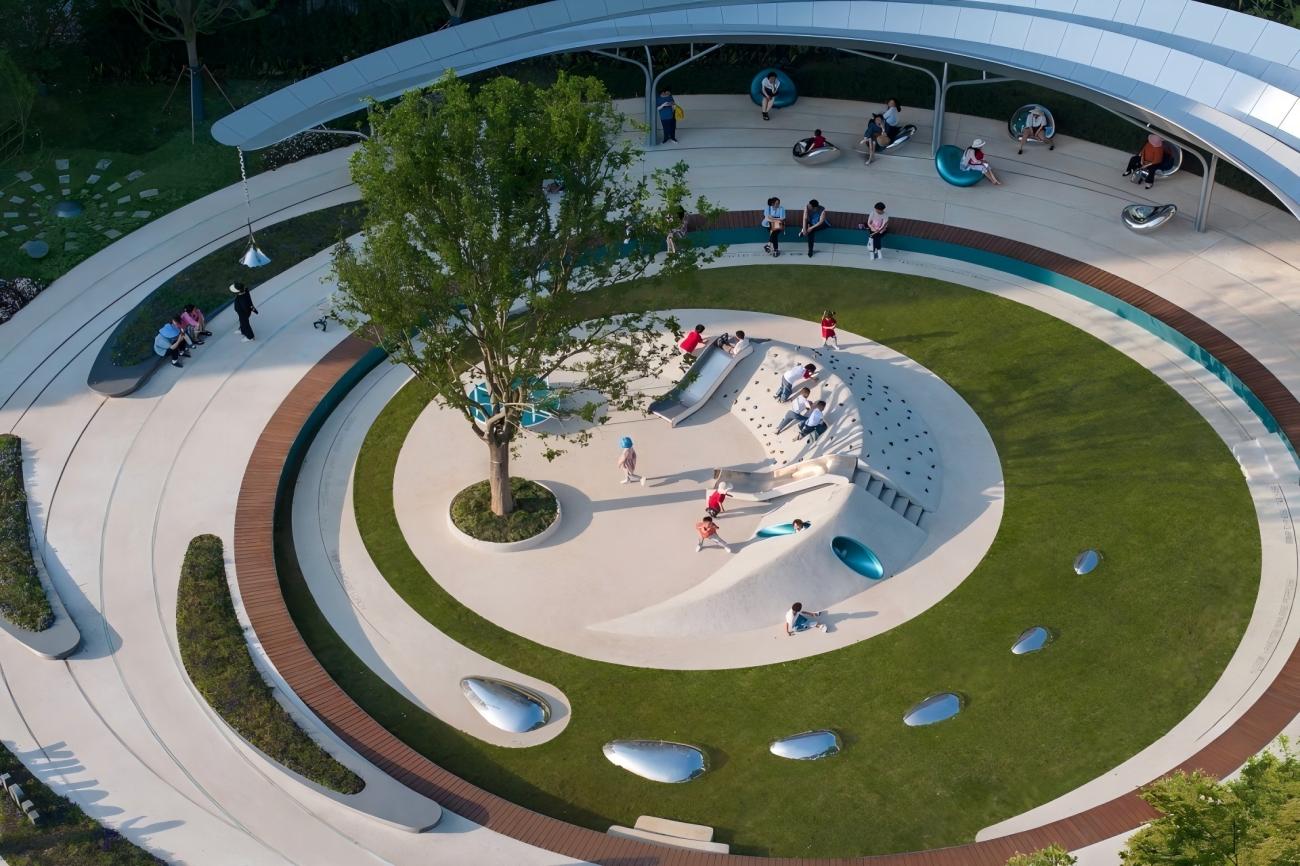
- Plaza projects may need benches combined with planters and greenery;
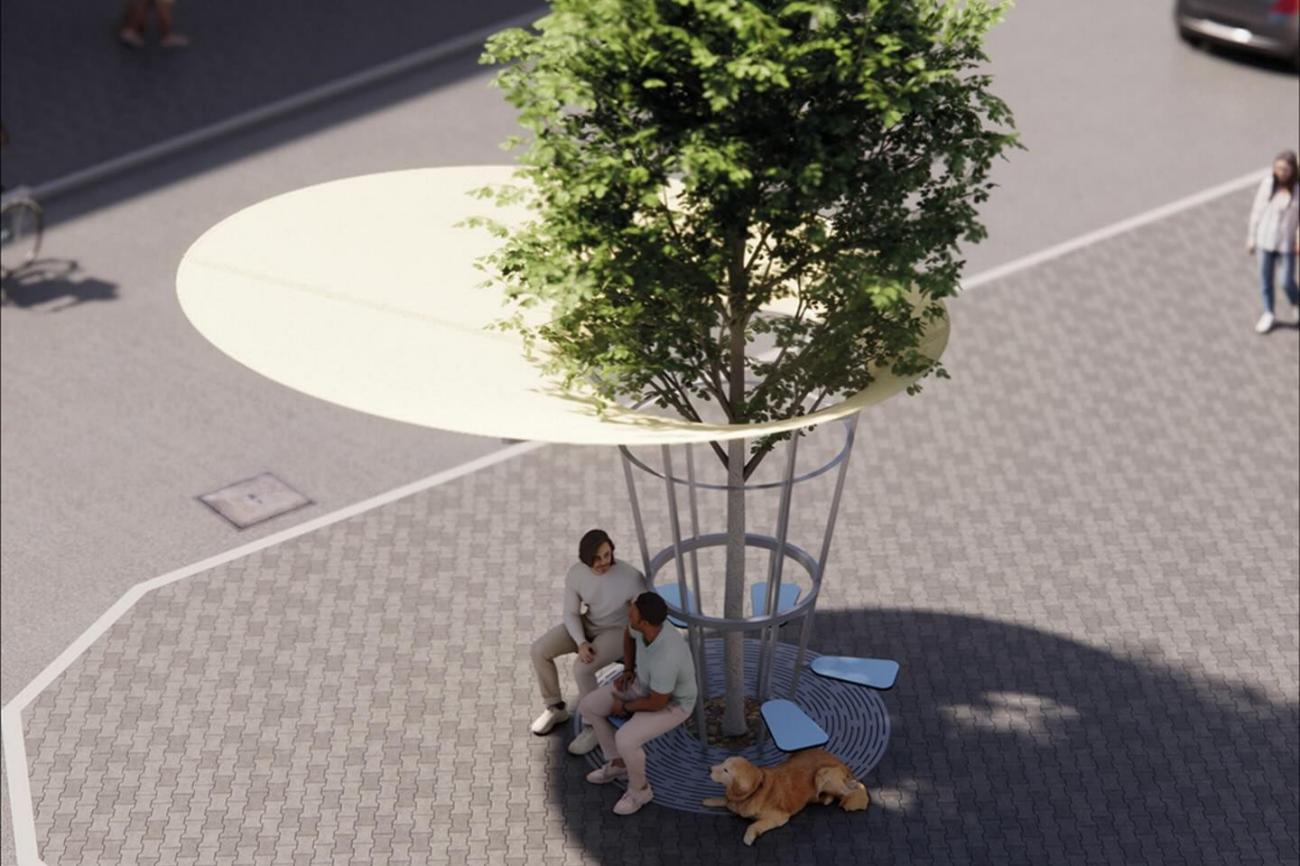
- Outdoor resting areas may require shade solutions;
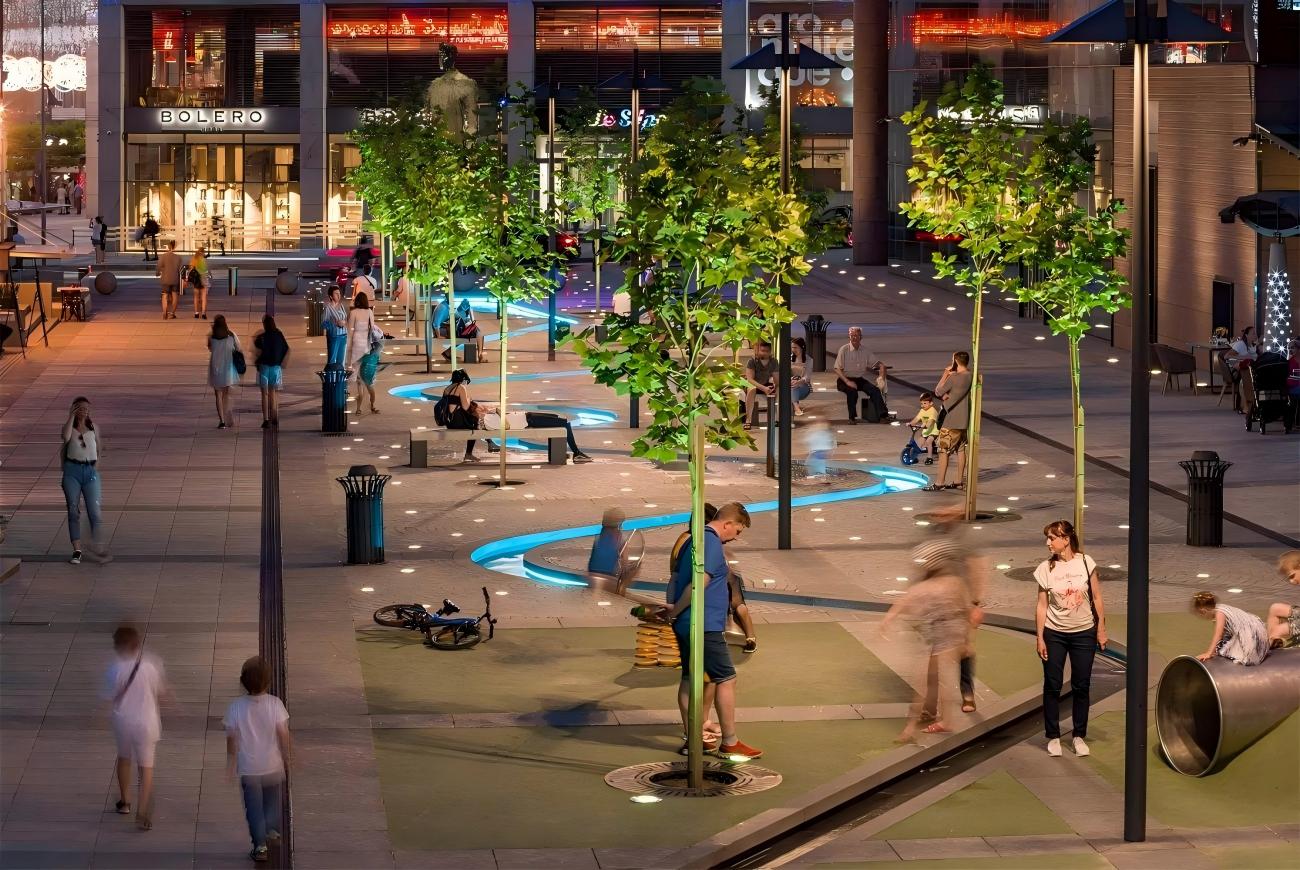
- Nighttime operating areas may benefit from integrated lighting.
Based on project requirements, commercial street benches can be customized through:
- Size adjustments;
- Material selection;
- Color and surface finish customization;
- Functional combinations.
For customized public space projects, street furniture does not always need to be limited to standard products. It can be planned according to the site conditions, pedestrian flow and overall project positioning.
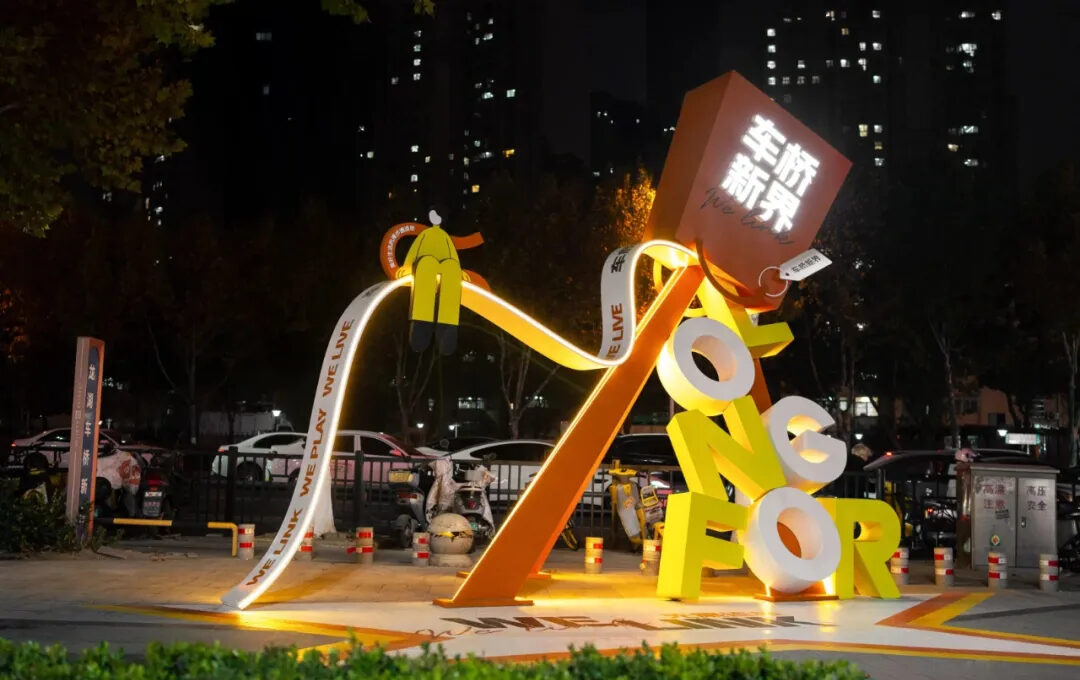
Conclusion
A good commercial street bench is not simply a place to sit.
It needs to balance comfort, public use requirements, spatial coordination and the characteristics of the commercial environment.
For contractors, confirming bench functions, layout and design direction at an early project stage can help reduce later adjustments and allow street furniture to better support the entire public space.
Urban Furniture provides customized street furniture solutions for commercial streets, urban plazas, mixed-use developments and other public space projects, including bench design, material recommendations, manufacturing and project support.